BOA vs Traditional Laces on Winter Boots: Is the Dial Worth It?

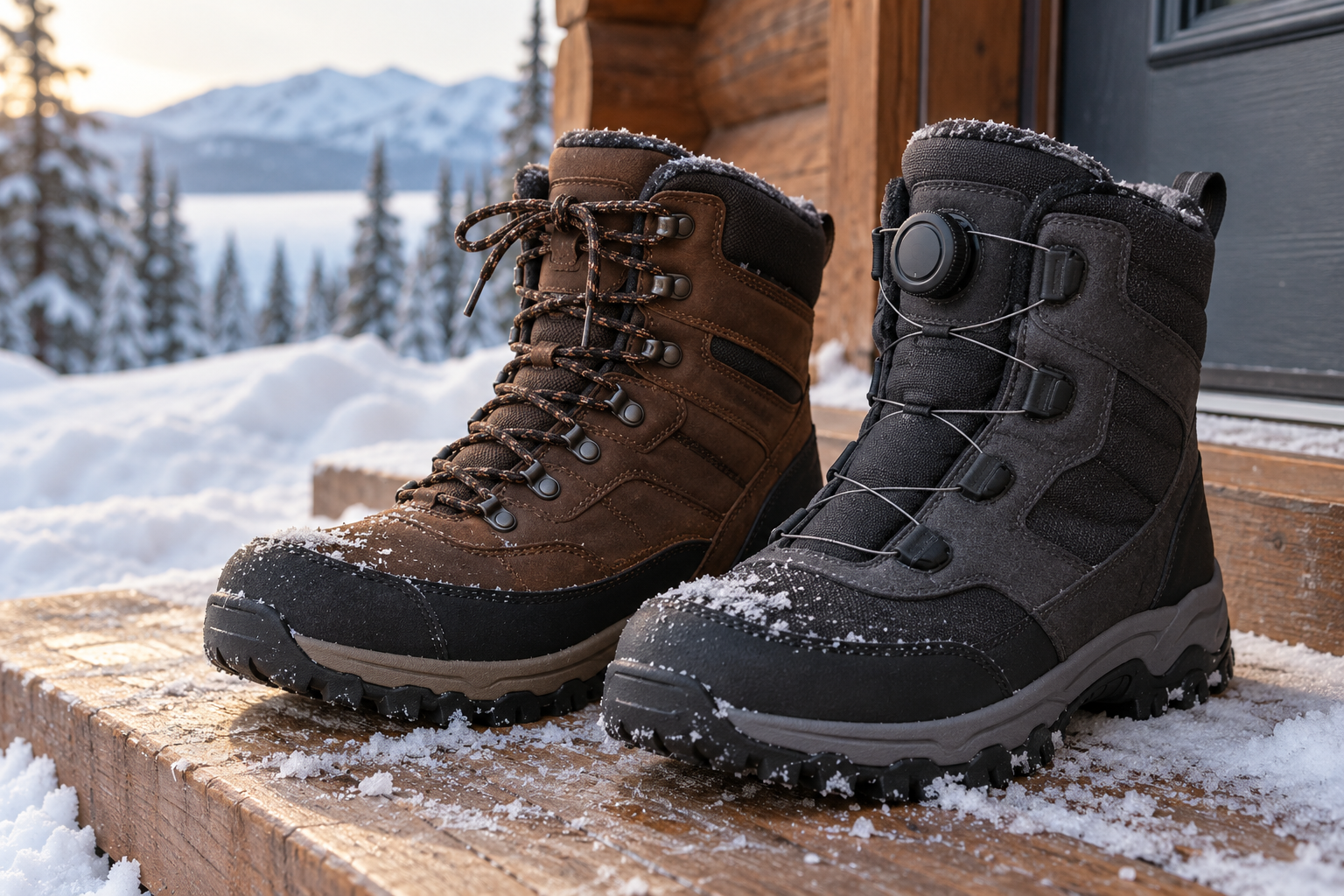
Dial-closure and traditional lace-up winter boots on a cabin step
AI-generated illustration; not a photograph of a tested product.

Quick verdict: Pay for BOA when the particular winter boot fits well and dial adjustment makes your routine easier. Traditional laces remain good value when you can adjust them comfortably; closure convenience should not outweigh fit, insulation, traction or a practical repair plan.

Research-based buying guide; no hands-on testing is claimed. As an Amazon Associate, Time to Get Outside earns from qualifying purchases.

…

BOA vs Traditional Laces on Winter Boots: Is the Dial Worth It? Read More »
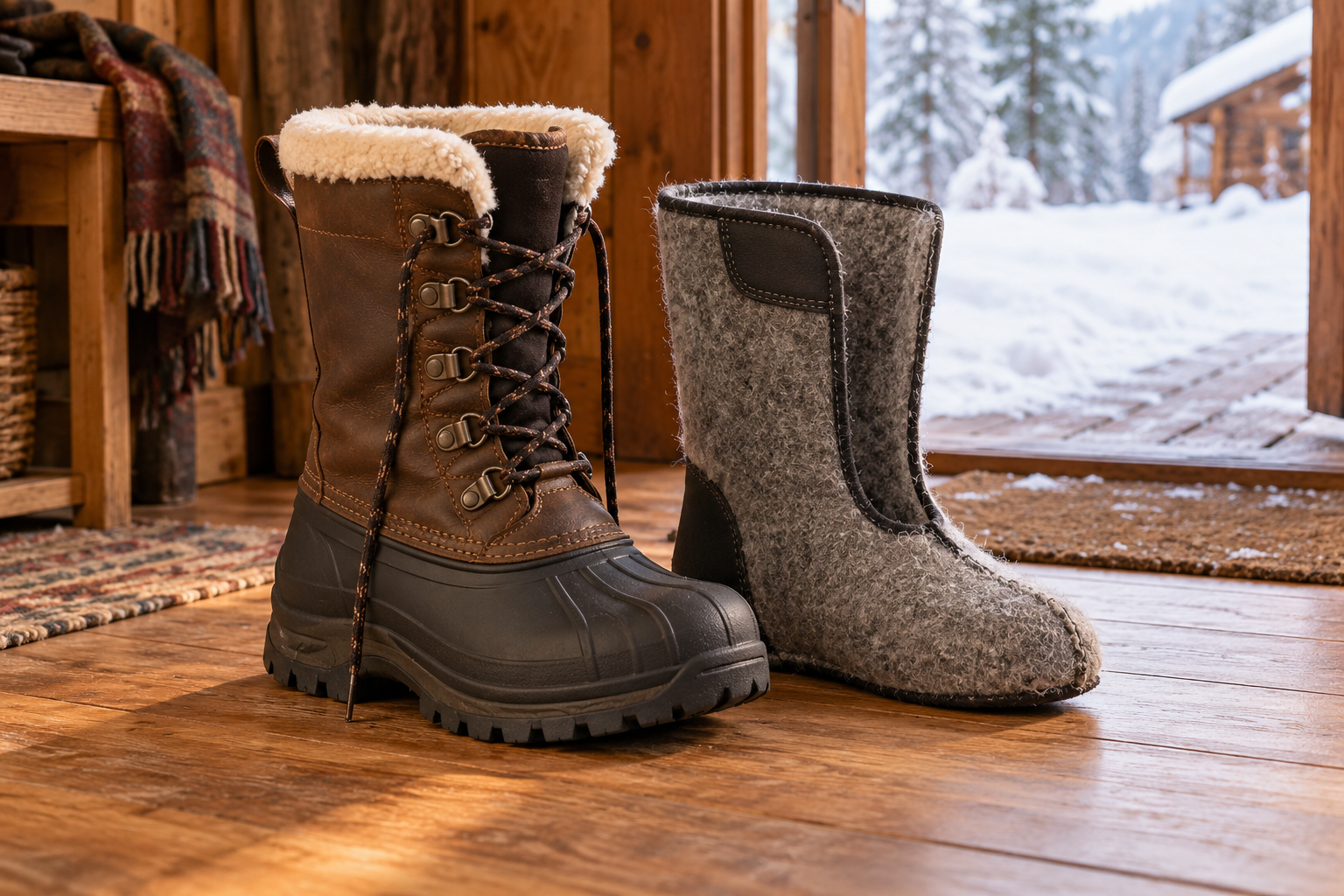
Removable vs Fixed Winter Boot Liners: Which Is Worth Buying?

A winter boot shell beside its removable felt inner liner
AI-generated illustration; not a photograph of a tested product.

Quick verdict: Choose removable liners when taking the inner boot out to dry or replacing a worn liner solves a recurring need. Fixed lining can be enough for ordinary outings with a workable drying routine; liner type alone does not establish warmth, waterproofing or fit.

Research-based buying guide; no hands-on testing is claimed. As an Amazon Associate, Time to Get Outside earns from qualifying purchases.

…

Removable vs Fixed Winter Boot Liners: Which Is Worth Buying? Read More »

200g vs 400g Insulated Winter Boots: Which Should You Buy?

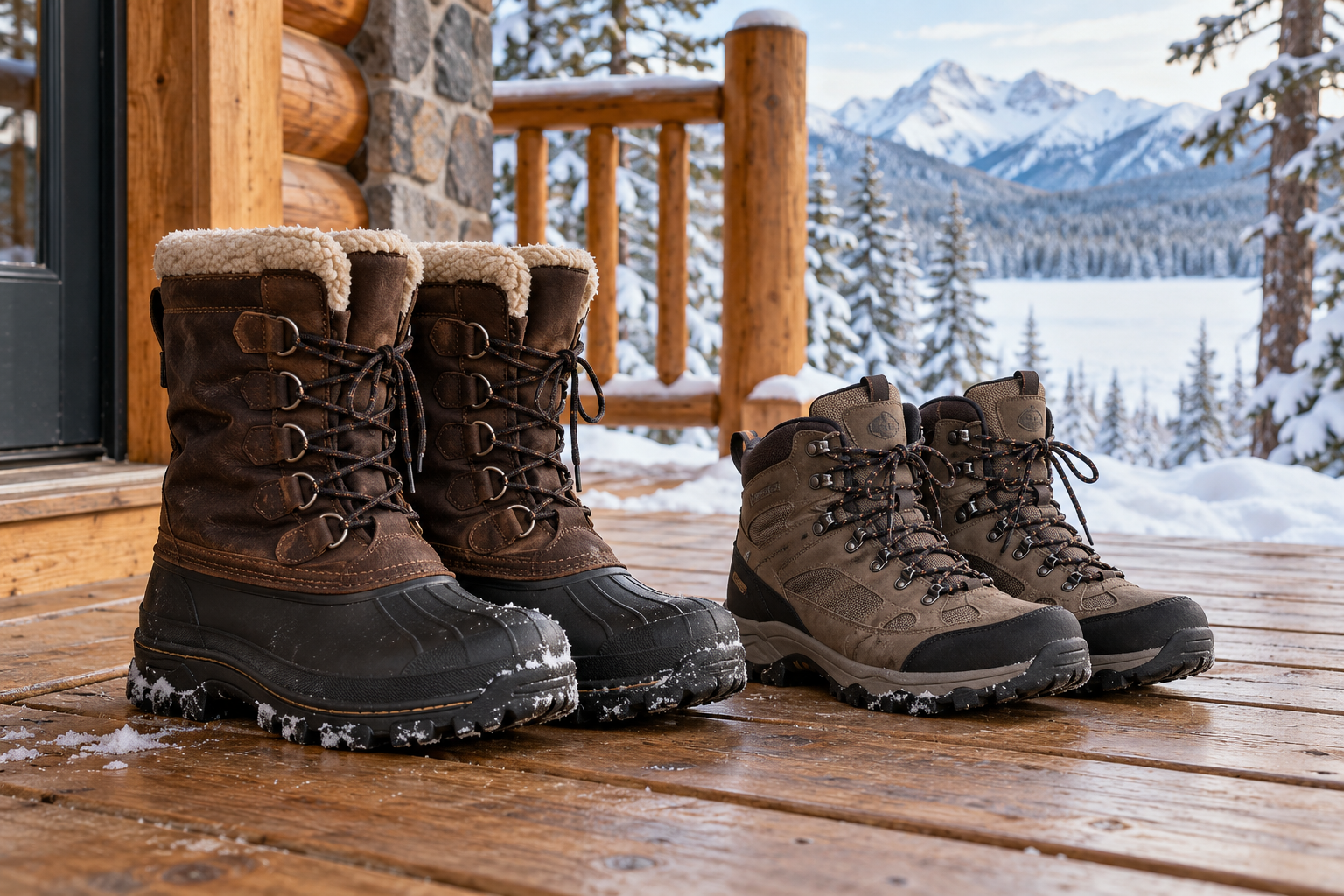
Bulky snow boots and lighter hiking-style winter boots on a cabin porch
AI-generated illustration; not a photograph of a tested product.

Quick verdict: Start with 200g models for active winter walking when the complete boot suits your conditions. Consider 400g for colder outings or more time standing, but buy by fit and the whole construction: twice the insulation number does not mean twice the warmth.

Research-based buying guide; no hands-on testing is claimed. As an Amazon Associate, Time to Get Outside earns from qualifying purchases.

…

200g vs 400g Insulated Winter Boots: Which Should You Buy? Read More »

Snowshoe Flotation Tails vs Larger Snowshoes: Which Is Better Value?

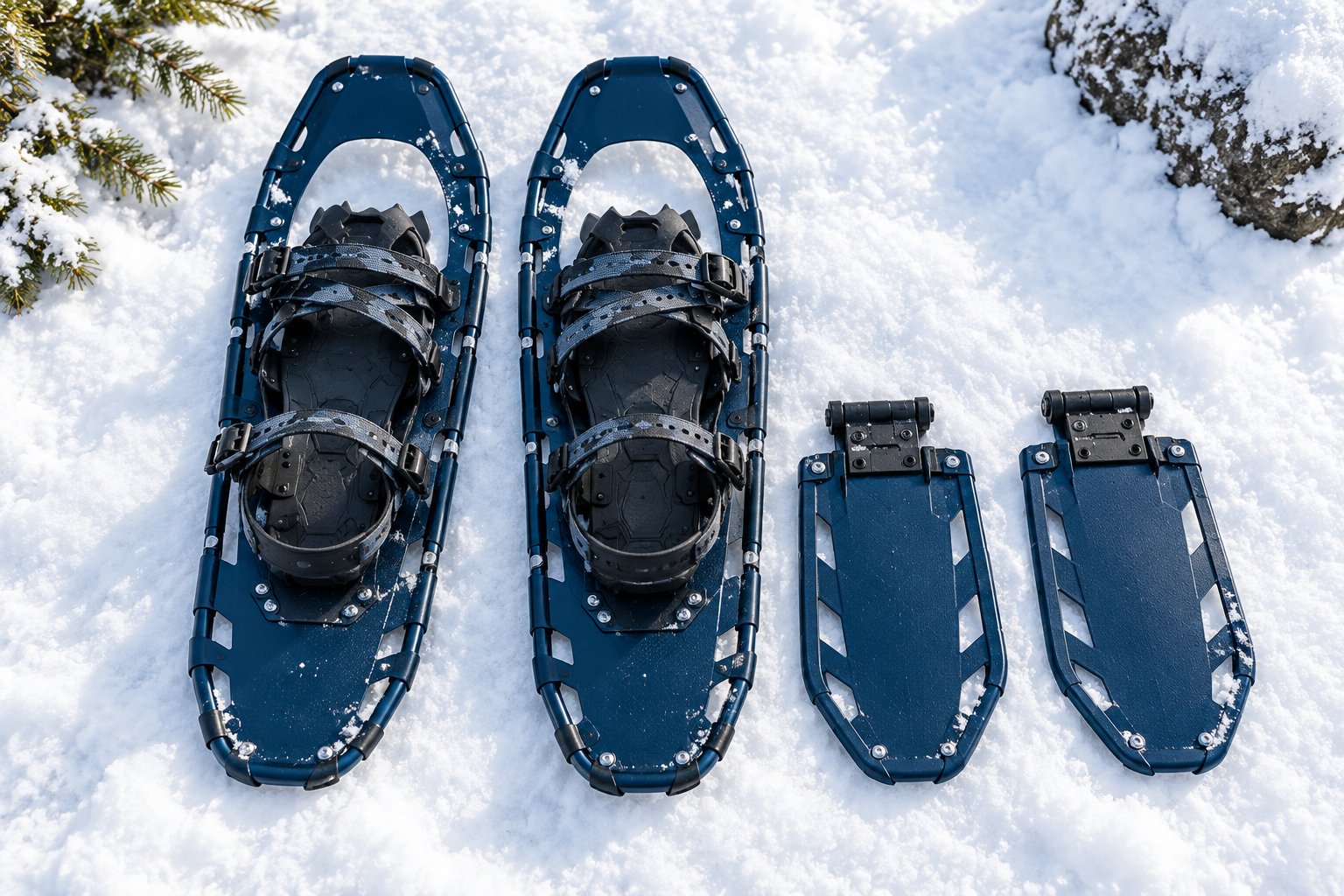
Snowshoes with separate matching flotation tail extensions
AI-generated illustration; not a photograph of a tested product.

Quick verdict: Compatible flotation tails can be good value when you already like your snowshoes and only sometimes need more flotation. Choose a suitable larger pair when greater flotation is a routine requirement or your existing snowshoes cannot accept the correct tails.

Research-based buying guide; no hands-on testing is claimed. As an Amazon Associate, Time to Get Outside earns from qualifying purchases.

…

Snowshoe Flotation Tails vs Larger Snowshoes: Which Is Better Value? Read More »

Running Snowshoes vs Recreational Snowshoes: Which Should You Buy?

A runner wearing compact snowshoes on a packed woodland trail
AI-generated illustration; not a photograph of a tested product.

Quick verdict: Buy running snowshoes for a genuine snowshoe-running routine on appropriate routes. Choose recreational snowshoes for walking, varied loads and general winter outings; a compact running model is not an automatic replacement for a properly sized walking pair.

Research-based buying guide; no hands-on testing is claimed. As an Amazon Associate, Time to Get Outside earns from qualifying purchases.

…

Running Snowshoes vs Recreational Snowshoes: Which Should You Buy? Read More »

BOA vs Strap Snowshoe Bindings: Is the Dial Worth the Upgrade?

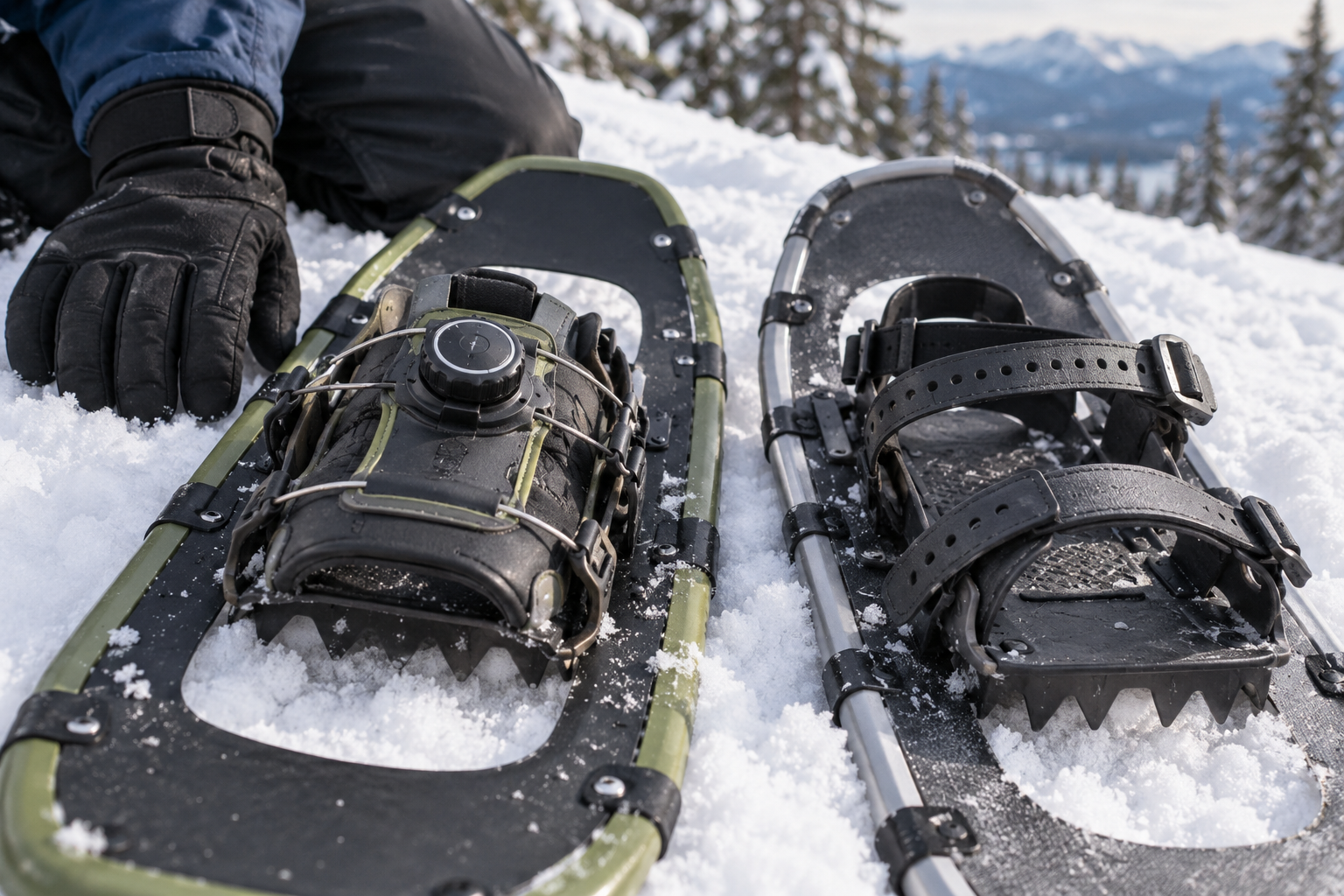
Dial-style and strap-style snowshoe bindings shown side by side
AI-generated illustration; not a photograph of a tested product.

Quick verdict: Pay for BOA when a well-fitting dial system makes fastening and adjustment easier for you. A suitable strap binding remains good value when it is comfortable, secure and straightforward to use with gloves.

Research-based buying guide; no hands-on testing is claimed. As an Amazon Associate, Time to Get Outside earns from qualifying purchases.

…

BOA vs Strap Snowshoe Bindings: Is the Dial Worth the Upgrade? Read More »

Are Snowshoe Heel Lifts Worth Paying For on Winter Walks?

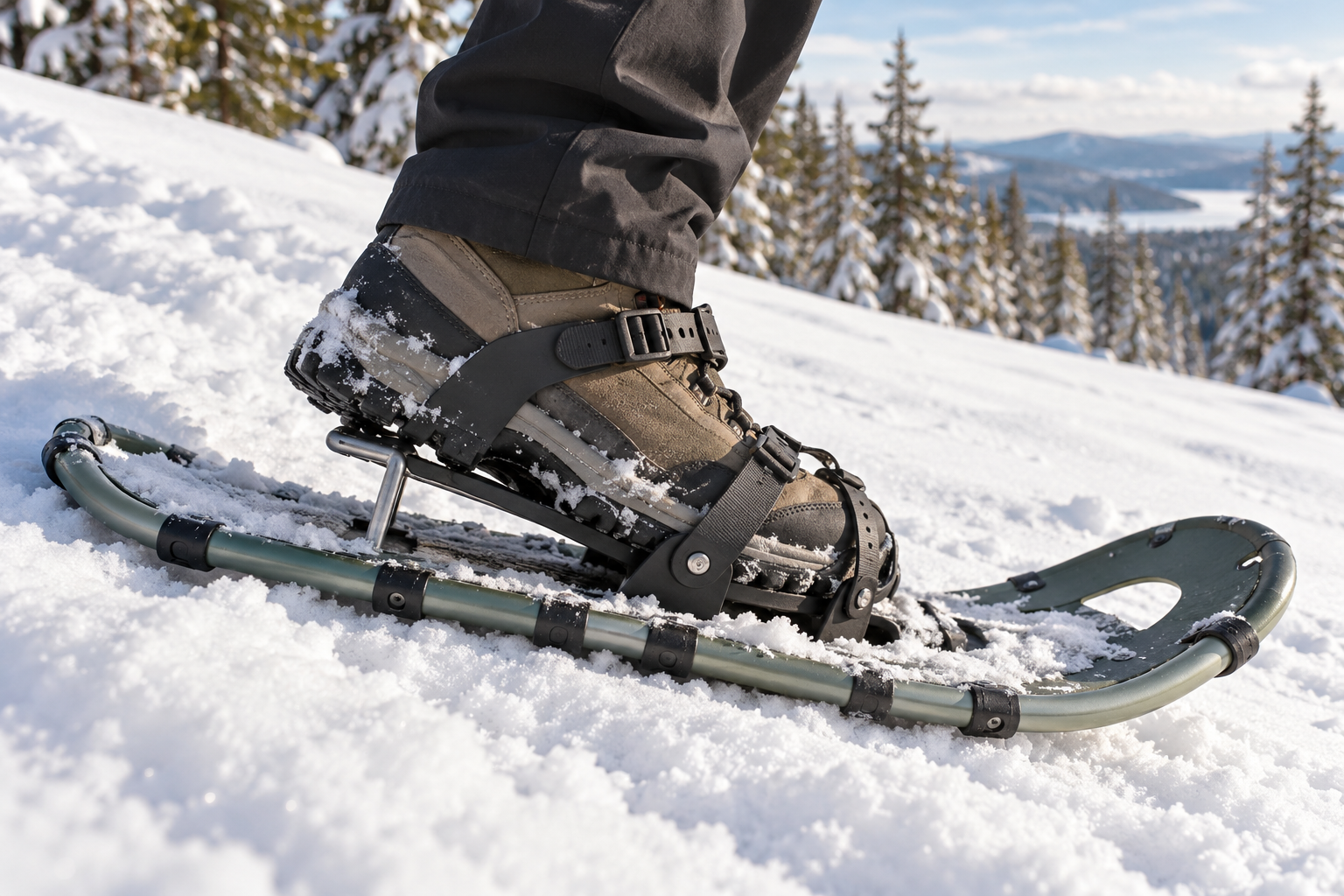
Illustrative detail of a snowshoe heel support beneath a winter boot
AI-generated illustration; not a photograph of a tested product.

Quick verdict: Heel lifts are worth considering for repeated suitable uphill travel. For mostly flat recreational routes, prioritize flotation, traction and boot fit before paying extra for a climbing feature.

Research-based buying guide; no hands-on testing is claimed. As an Amazon Associate, Time to Get Outside earns from qualifying purchases.

…

Are Snowshoe Heel Lifts Worth Paying For on Winter Walks? Read More »

Kahtoola NANOspikes vs EXOspikes: Which Fits Your Winter Walking Routes?

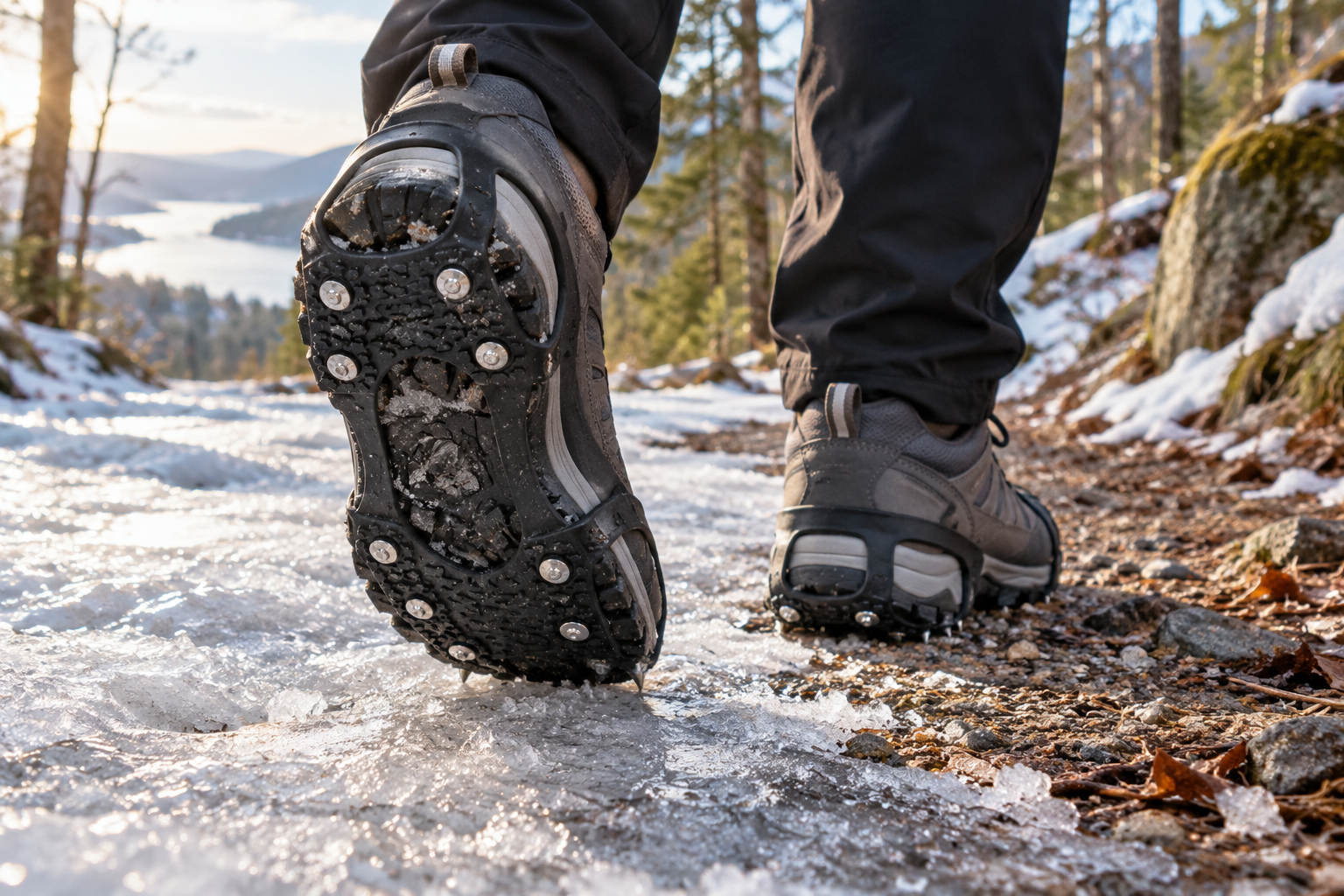
Winter shoes with low-profile traction devices beside an icy trail
AI-generated illustration; not a photograph of a tested product.

Quick verdict: Choose NANOspikes for the hard-surface urban role Kahtoola describes. Choose EXOspikes for its intended mix of trails and roads, after checking the fit on your actual footwear.

Research-based buying guide; no hands-on testing is claimed. As an Amazon Associate, Time to Get Outside earns from qualifying purchases.

…

Kahtoola NANOspikes vs EXOspikes: Which Fits Your Winter Walking Routes? Read More »

Tubbs Flex TRK vs Flex ALP: When Is the More Technical Snowshoe Worth It?

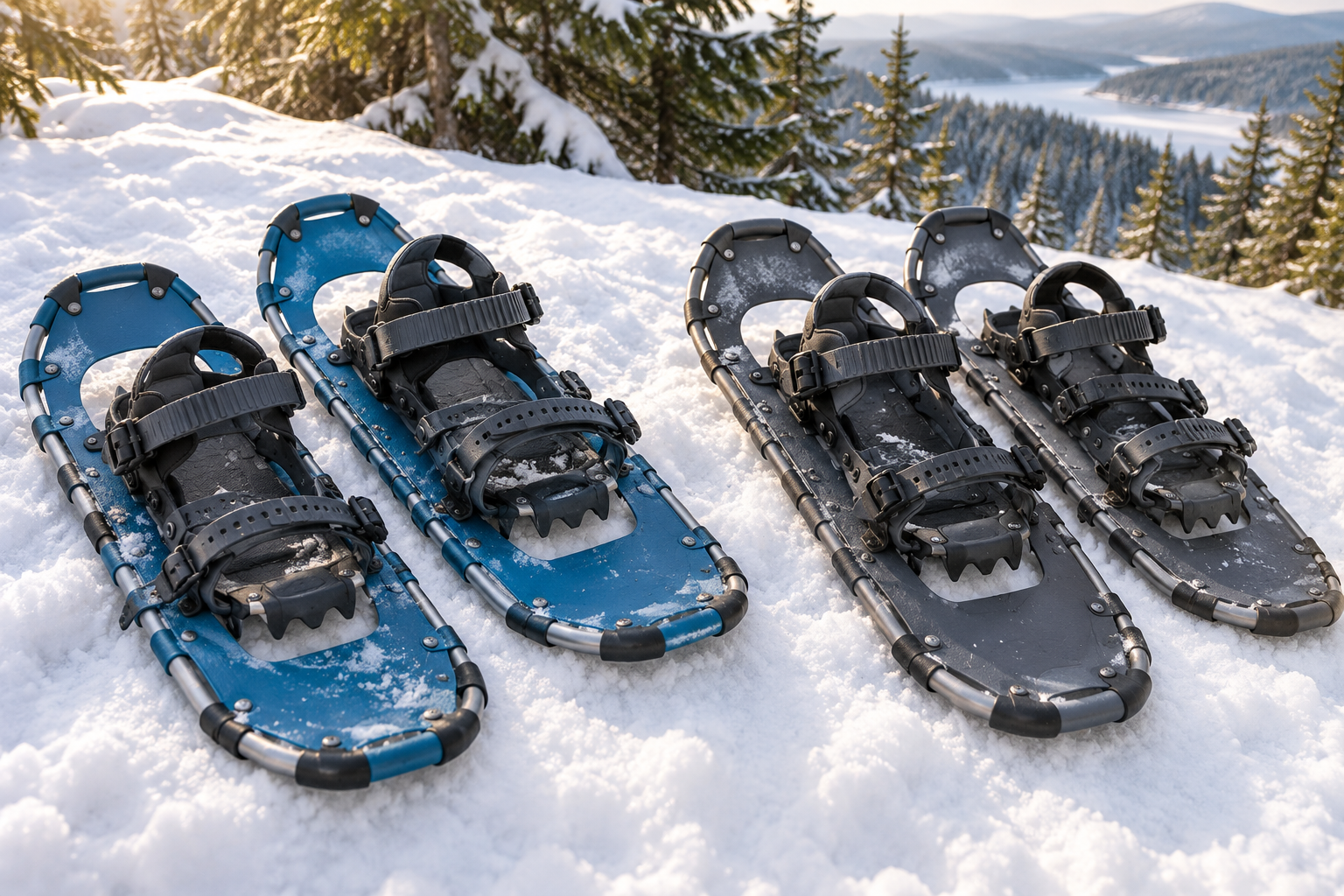
Two pairs of snowshoes beside a snowy spruce trail
AI-generated illustration; not a photograph of a tested product.

Quick verdict: Choose Flex TRK for suitable day hikes and rolling terrain. Consider Flex ALP when its more aggressive traction, binding and climbing features match your planned conditions and boot fit.

Research-based buying guide; no hands-on testing is claimed. As an Amazon Associate, Time to Get Outside earns from qualifying purchases.

…

Tubbs Flex TRK vs Flex ALP: When Is the More Technical Snowshoe Worth It? Read More »

MSR Evo Trail vs Lightning Ascent: Which Snowshoe Is Worth Buying?

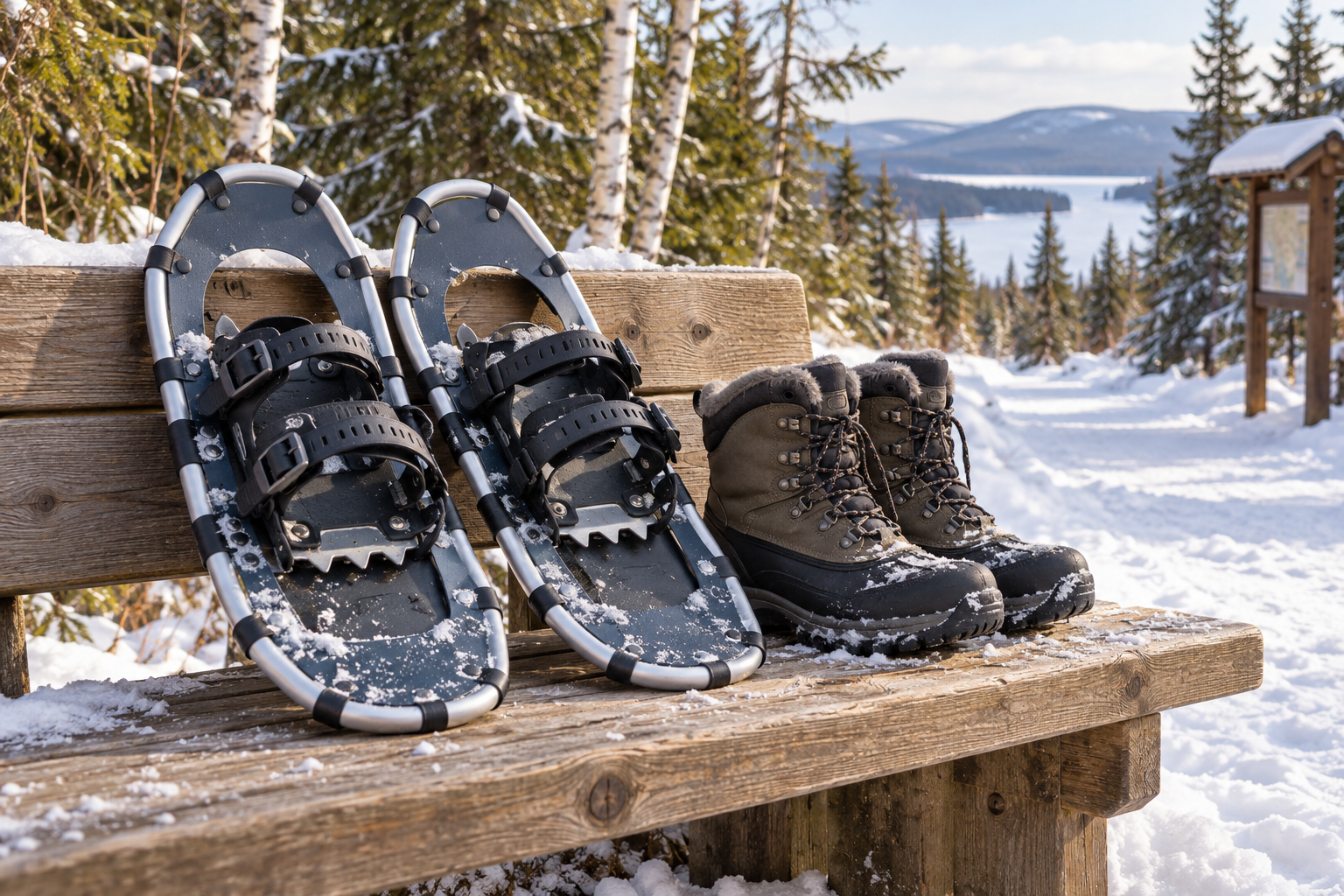
Unbranded recreational snowshoes and winter boots on a snowy trailhead bench
AI-generated illustration; not a photograph of a tested product.

Quick verdict: Choose Evo Trail for suitable flat and rolling trails. Pay for Lightning Ascent when your planned terrain calls for its more aggressive traction and climbing-oriented design, rather than simply buying the most expensive MSR model.

Research-based buying guide; no hands-on testing is claimed. As an Amazon Associate, Time to Get Outside earns from qualifying purchases.

…

MSR Evo Trail vs Lightning Ascent: Which Snowshoe Is Worth Buying? Read More »