Quick verdict: Buy running snowshoes for a genuine snowshoe-running routine on appropriate routes. Choose recreational snowshoes for walking, varied loads and general winter outings; a compact running model is not an automatic replacement for a properly sized walking pair.
Research-based buying guide; no hands-on testing is claimed. As an Amazon Associate, Time to Get Outside earns from qualifying purchases.
| Decision | How the options compare |
|---|---|
| Primary job | Running: Running and faster movement Recreational: Walking and general trail outings |
| Example checked | Running: Atlas Run, listed in 22-inch size Recreational: Atlas Helium-TRAIL, listed in multiple sizes |
| Value test | Running: Running-specific fit and stride matter regularly Recreational: Load suitability and walking comfort matter most |
Start with the activity, not the lowest weight
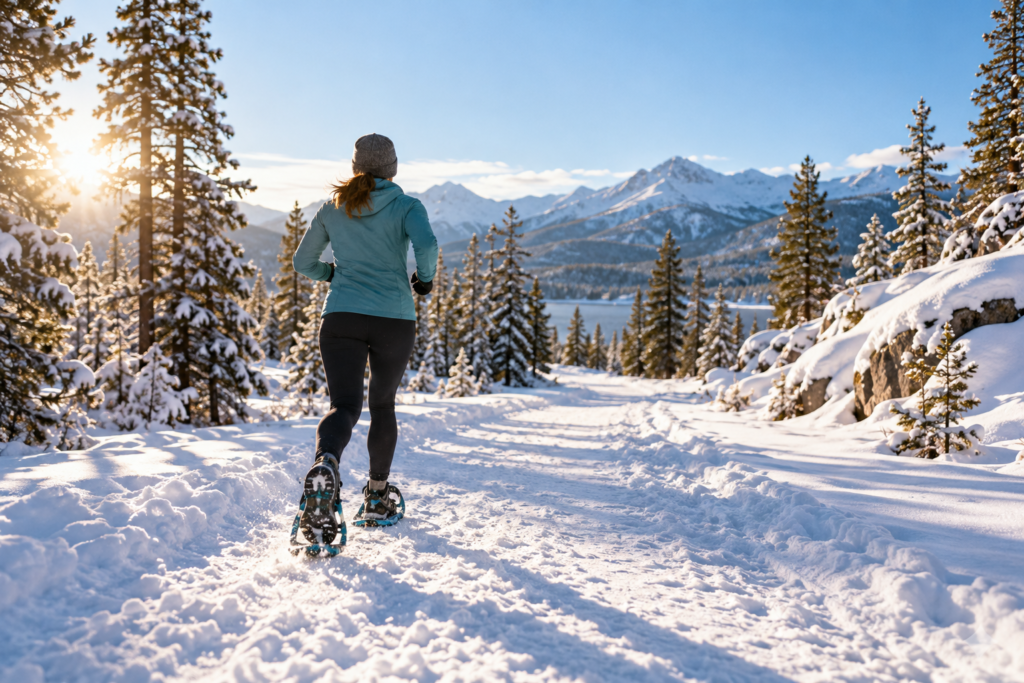
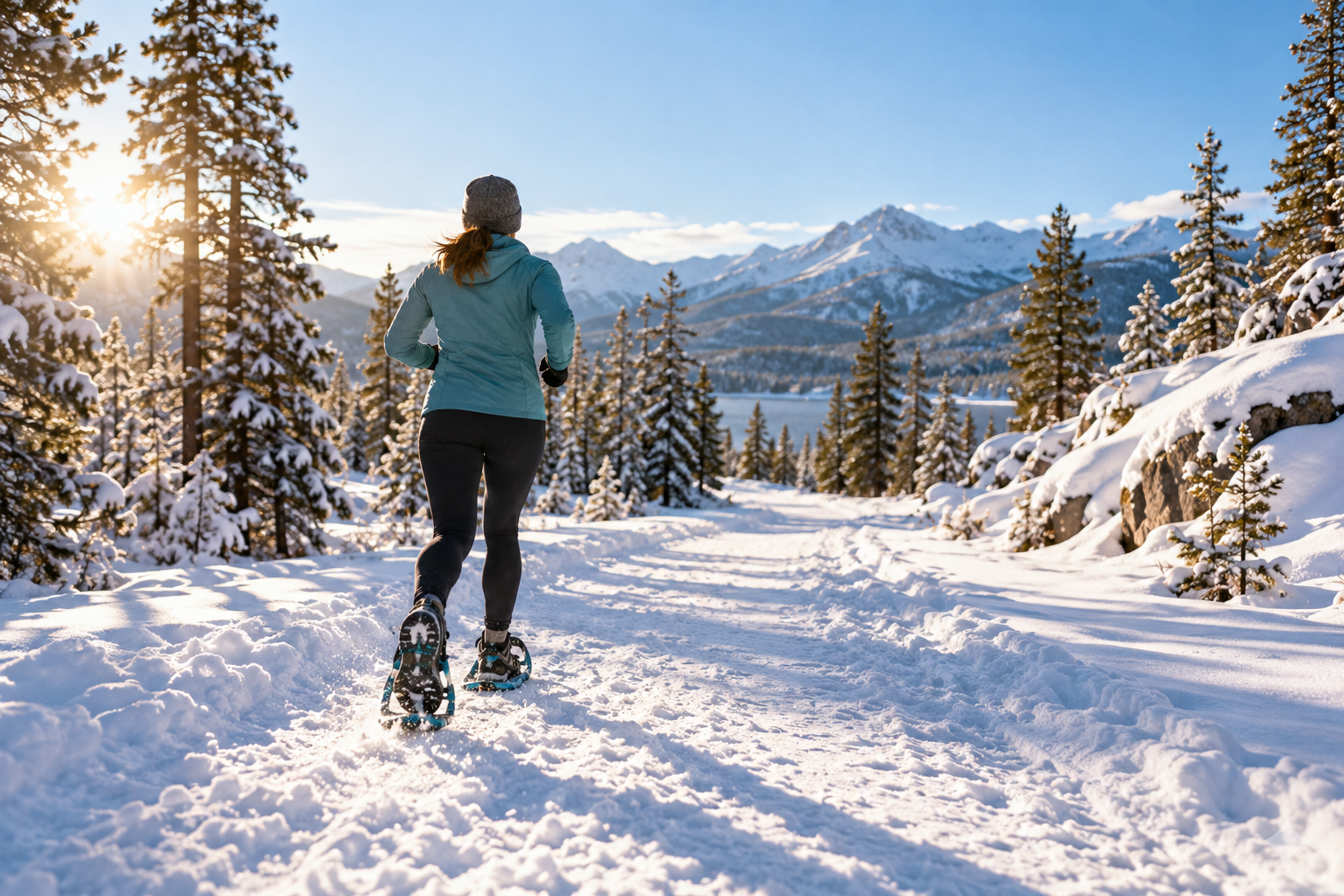
Running snowshoes are a separate buying decision from choosing a light pair for an occasional walk. Atlas describes its Run model for snowshoe running and fast movement, while its Helium-TRAIL is positioned for less extreme winter hikes. Those intended uses provide a useful starting point without proving either product is best for everyone.
If your winter outings involve walking with family, stopping for photographs or carrying a fuller daypack, begin with recreational models suitable for that load and terrain. A running-oriented design can be an unnecessary specialist purchase when you are mostly walking. Buying the sport-specific option makes more sense after the sport becomes a regular habit.
What the Atlas examples illustrate
The current Atlas Run listing specifies a compact 22-inch model with a low-profile Speed Helix binding and BOA adjustment. The relevant question is whether its fit, size guidance and movement suit your footwear and intended running. The word running does not establish adequate flotation for every person, pack or depth of fresh snow.
Helium-TRAIL is offered in 23-, 26- and 30-inch sizes in the reviewed range, with a two-buckle binding and a heel lift. Those choices illustrate a walking-focused alternative with different sizing options. They do not mean the largest size is always right or that all recreational models have the same hardware.
Try footwear and movement before spending
Check the manufacturer’s load chart with your body weight plus the equipment you will carry. Then confirm binding fit with the actual shoes or boots you intend to wear. A secure fit in one footwear style does not guarantee the same result in a much bulkier winter boot, even at a similar labelled shoe size.
A rental or supervised introduction can help establish whether you enjoy snowshoe running enough to buy dedicated equipment. Compare the fastening process, release and ordinary walking feel as well as the intended running motion. Manufacturer specifications describe design choices; they are not a substitute for your own fit assessment.
When the cheaper option is enough
For a walking-first buyer, a suitable recreational pair is usually the purchase to investigate before paying for running-specific construction. Compare the complete Canadian-dollar checkout cost, return terms and available sizes. A discounted running pair that misses your load requirements remains poor value, even when it costs less than a walking model.
My recommendation is to buy the running pair once a regular running routine makes its specific fit and movement useful. Otherwise choose the recreational snowshoe that matches your routes, snow and loaded weight. Keep the comparison focused on the exact model and generation rather than assuming every product within either category behaves identically.
Compare current U.S. and Canadian listings
These buttons open product searches, not guaranteed stock or fixed prices. Match the exact model, size, included accessories and seller before ordering. Canadian shoppers should compare the final cost in Canadian dollars, including any shipping or import charges.
Related buying guides
- Best Snowshoes for Beginners: Easy, Reliable Winter Picks
- 25-Inch vs 30-Inch Snowshoes: Choose by Loaded Weight, Not Height
- Best Trekking Poles for Hiking and Uneven Trails
Sources and research notes
Specifications and guidance checked October 15, 2026. Recommendations are editorial judgments based on the cited details and use cases; they are not independent performance measurements.