Roll-Top vs Zippered Daypack: Which Opening Works Better on Walks?

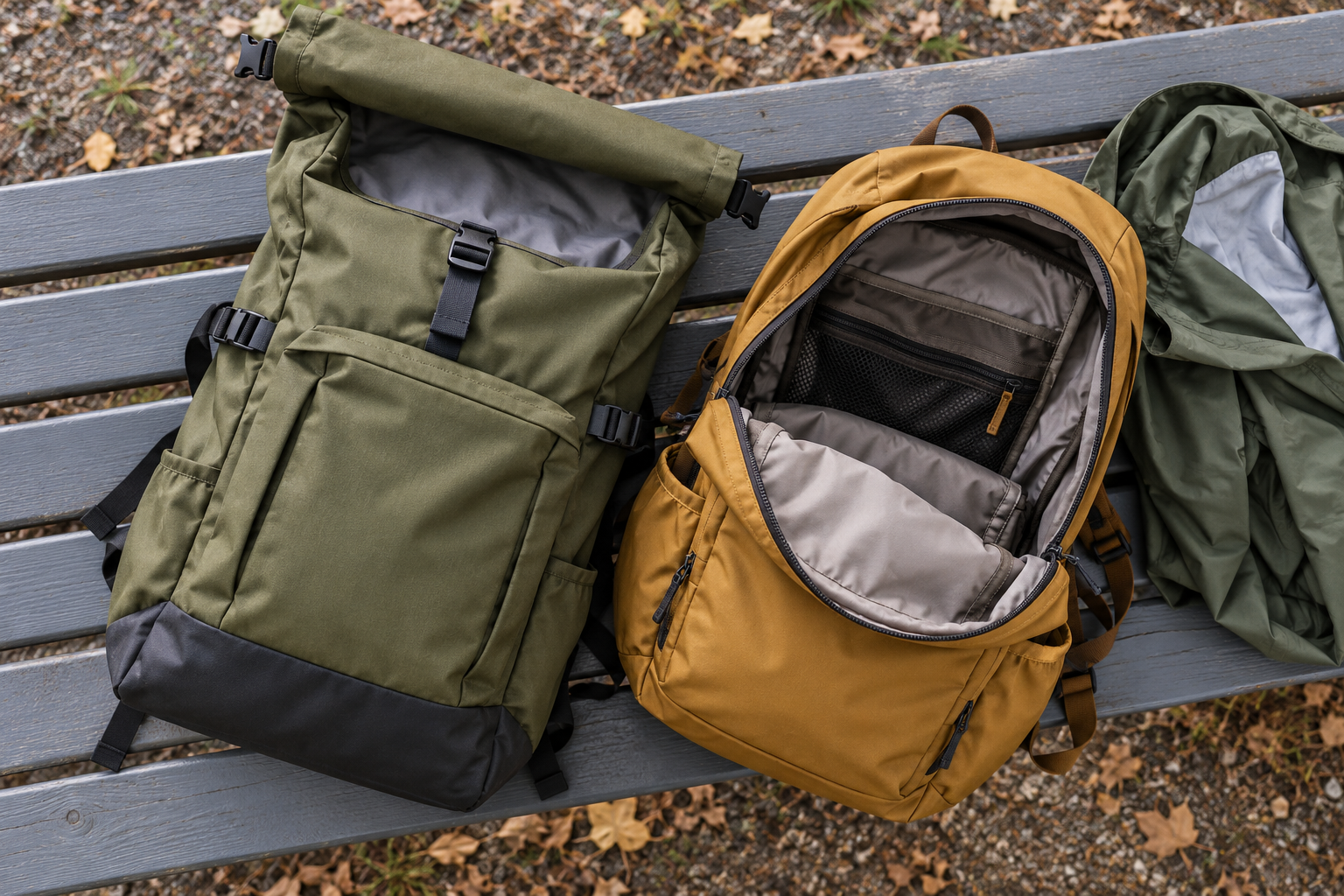
Roll-top and zippered daypacks with their main openings visible
AI-generated illustration; not a photograph of a tested product.

Quick verdict: Choose a roll-top when adjustable closure and a suitable simple compartment fit your packing style. Choose a zippered opening when frequent access and seeing the contents matter more; waterproofing depends on the whole bag.

Research-based buying guide; no hands-on testing is claimed. As an Amazon Associate, Time to Get Outside earns from qualifying purchases.

…

Roll-Top vs Zippered Daypack: Which Opening Works Better on Walks? Read More »
Deuter AC Lite 24 vs Futura 27: Is the Larger Hiking Pack Worth More?

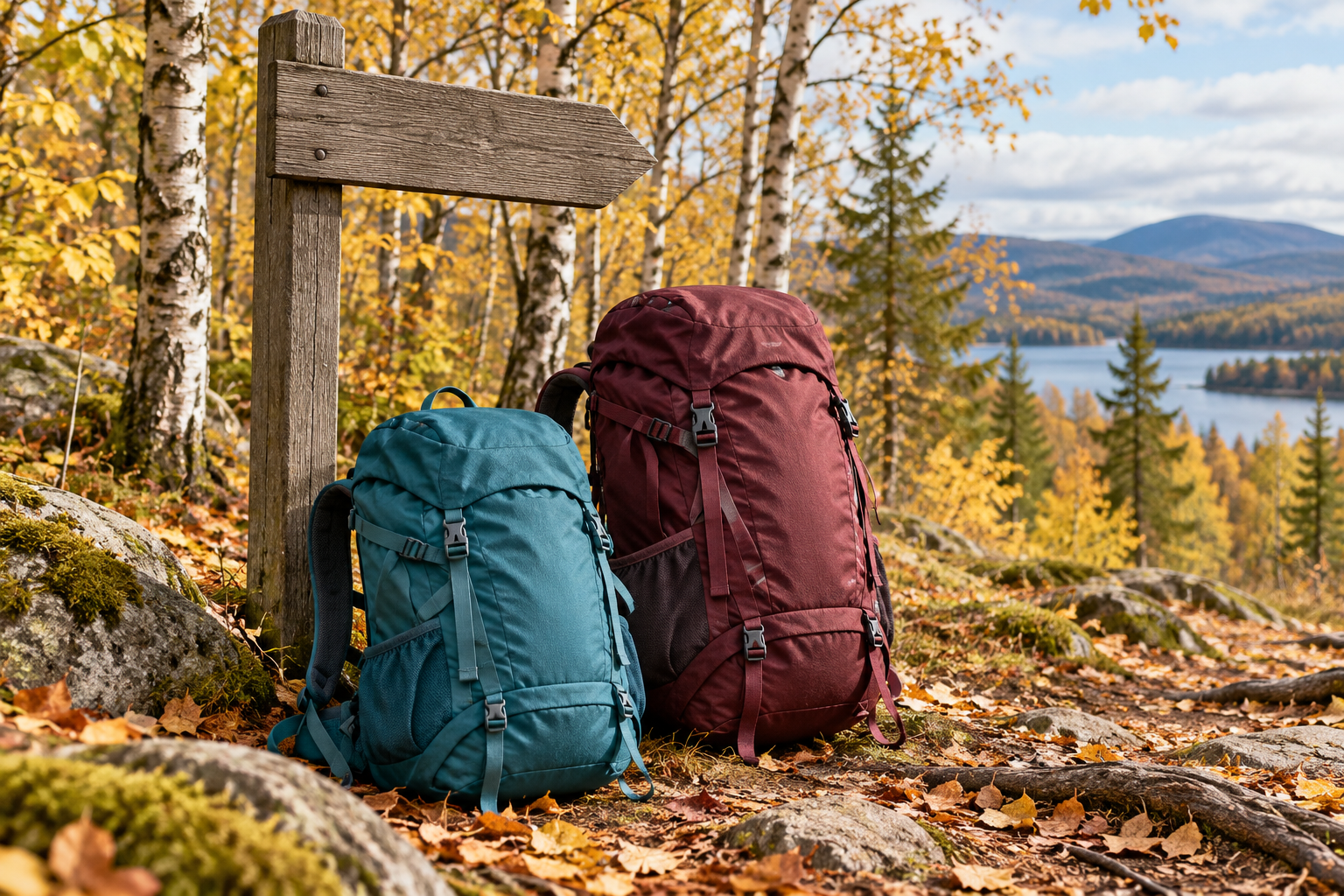
Two hiking daypacks of different sizes on an autumn woodland trail
AI-generated illustration; not a photograph of a tested product.

Quick verdict: Choose AC Lite 24 when its fit and recommended load cover your walks. Choose the reviewed Futura 27 when its load range, extra capacity and 3L reservoir compatibility solve a specific carrying need.

Research-based buying guide; no hands-on testing is claimed. As an Amazon Associate, Time to Get Outside earns from qualifying purchases.

…

Deuter AC Lite 24 vs Futura 27: Is the Larger Hiking Pack Worth More? Read More »

Osprey Talon 22 vs Stratos 24: Is the Ventilated Frame Worth the Extra Weight?

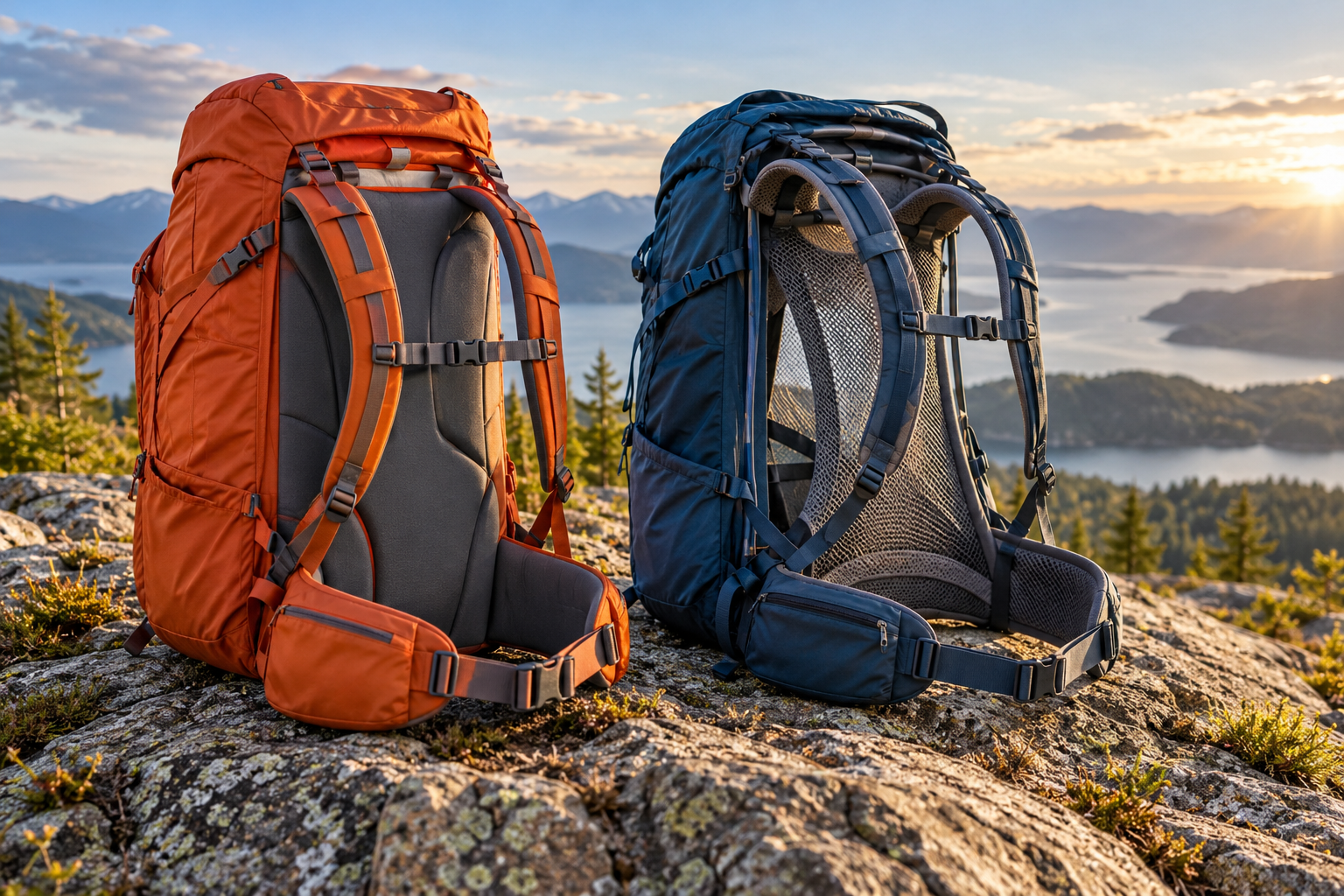
Two hiking daypacks showing padded and suspended-mesh back panels
AI-generated illustration; not a photograph of a tested product.

Quick verdict: Choose Talon 22 for a closer-moving carry style and a lighter current listed pack. Choose Stratos 24 when its suspended-mesh support, layout and included raincover justify the added weight and cost for your hikes.

Research-based buying guide; no hands-on testing is claimed. As an Amazon Associate, Time to Get Outside earns from qualifying purchases.

…

Osprey Talon 22 vs Stratos 24: Is the Ventilated Frame Worth the Extra Weight? Read More »

Hydration Reservoir Cleaning Tablets vs Brush Kit: What Is Worth Buying?

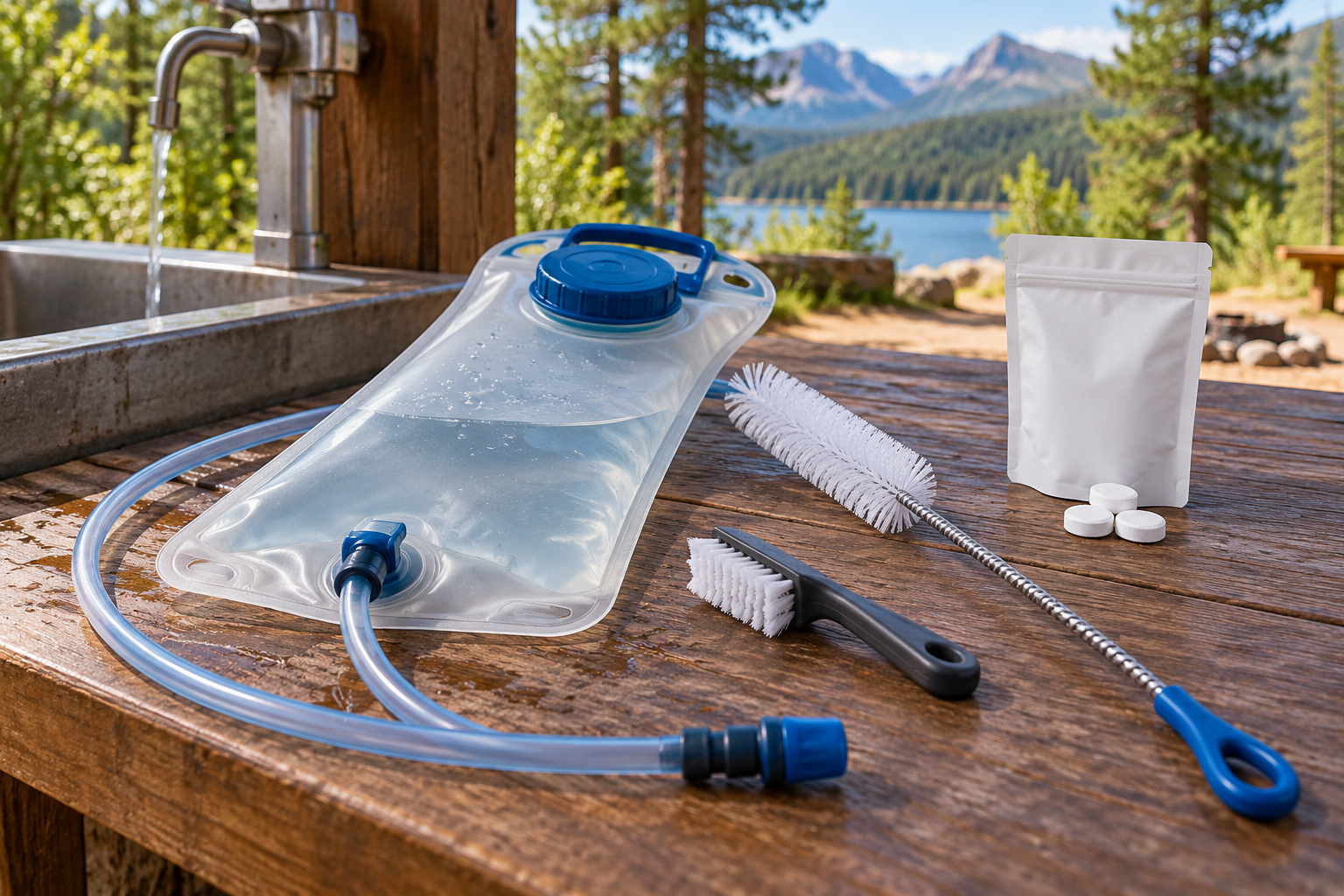
Hydration reservoir, cleaning brushes and an unmarked tablet packet
AI-generated illustration; not a photograph of a tested product.

Quick verdict: Buy suitable brushes when you need physical access to the reservoir and tube. Add approved cleaning tablets when the maker’s soaking routine is useful; they complement brushing rather than make every other cleaning step unnecessary.

Research-based buying guide; no hands-on testing is claimed. As an Amazon Associate, Time to Get Outside earns from qualifying purchases.

…

Hydration Reservoir Cleaning Tablets vs Brush Kit: What Is Worth Buying? Read More »

CamelBak Crux vs HydraPak Contour 2L: Which Reservoir Fits Your Daypack?

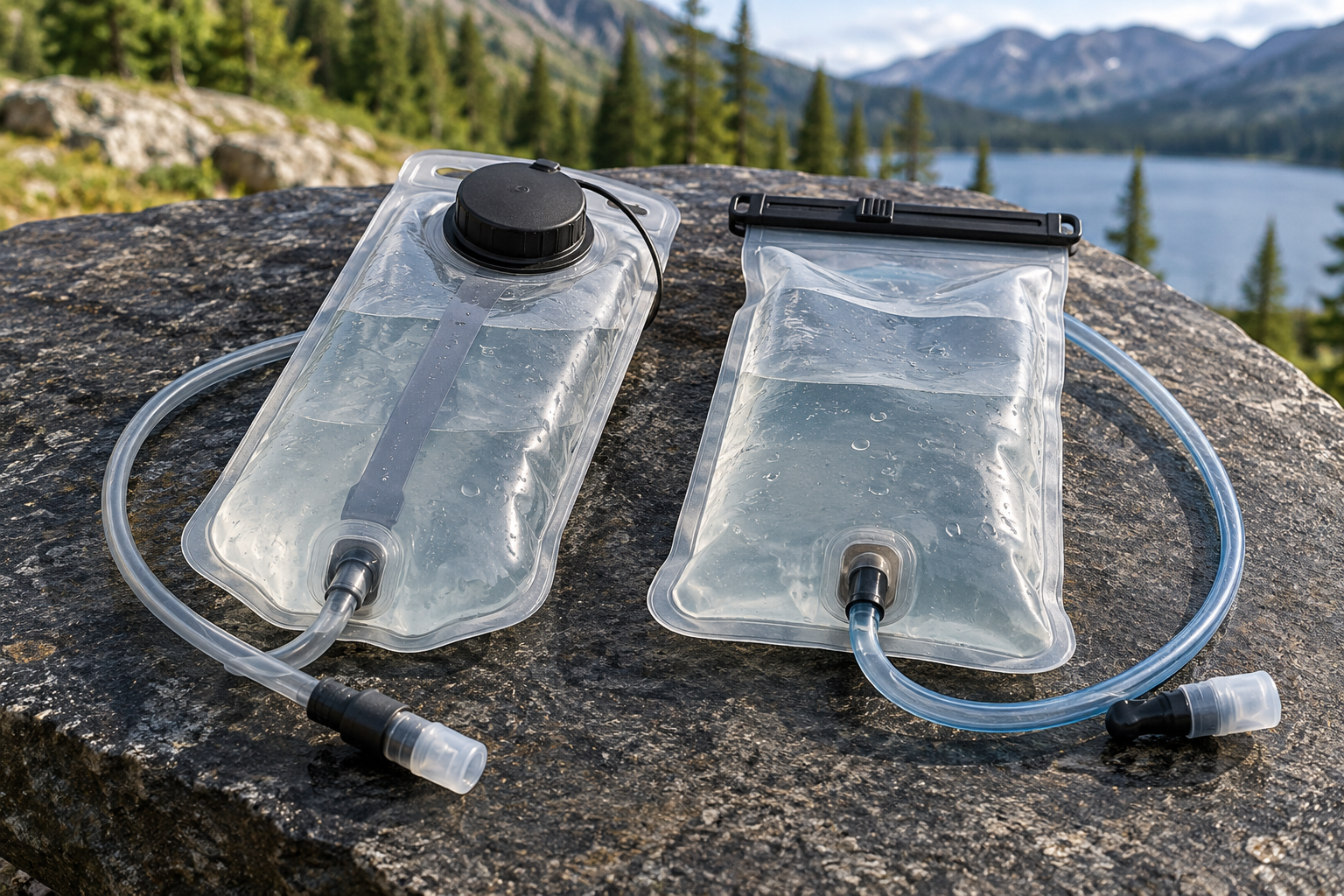
Round-cap and slide-top hydration reservoirs on an outdoor table
AI-generated illustration; not a photograph of a tested product.

Quick verdict: Choose the reservoir that fits your pack and gives you the filling, valve and cleaning routine you prefer. Contour’s low-profile design is worth considering; a sound Crux that already works is not an automatic replacement candidate.

Research-based buying guide; no hands-on testing is claimed. As an Amazon Associate, Time to Get Outside earns from qualifying purchases.

…

CamelBak Crux vs HydraPak Contour 2L: Which Reservoir Fits Your Daypack? Read More »

2L vs 3L Hydration Reservoir: Is Extra Capacity Worth Carrying?

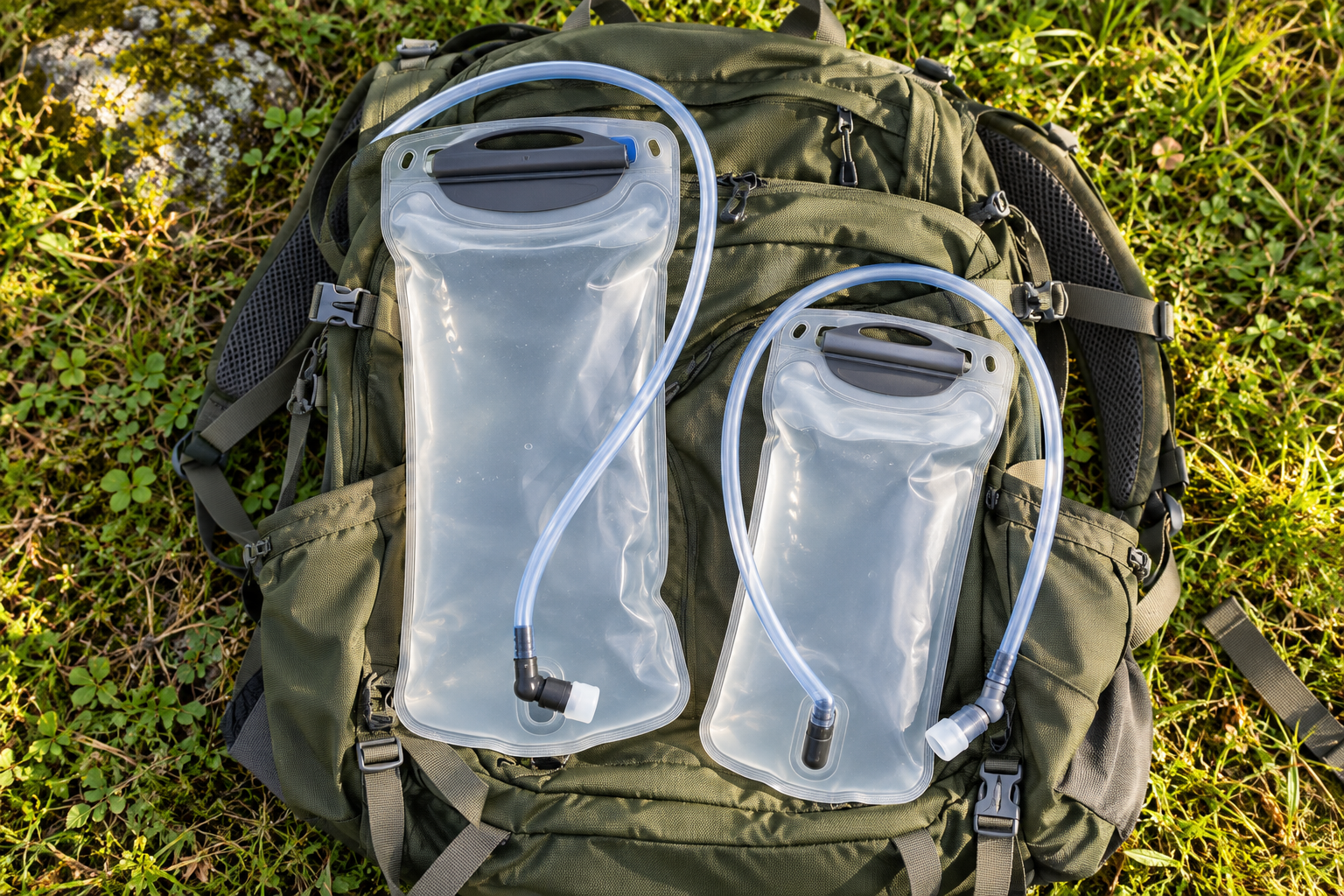
Two differently sized hydration reservoirs laid out with a daypack
AI-generated illustration; not a photograph of a tested product.

Quick verdict: Choose the capacity that fits both your pack and a sensible water plan for the route. A compatible 3L reservoir adds flexibility, but a full extra litre adds about one kilogram of water.

Research-based buying guide; no hands-on testing is claimed. As an Amazon Associate, Time to Get Outside earns from qualifying purchases.

…

2L vs 3L Hydration Reservoir: Is Extra Capacity Worth Carrying? Read More »

YETI Rambler Bottle vs Yonder: Is Insulation Worth the Extra Carry Weight?

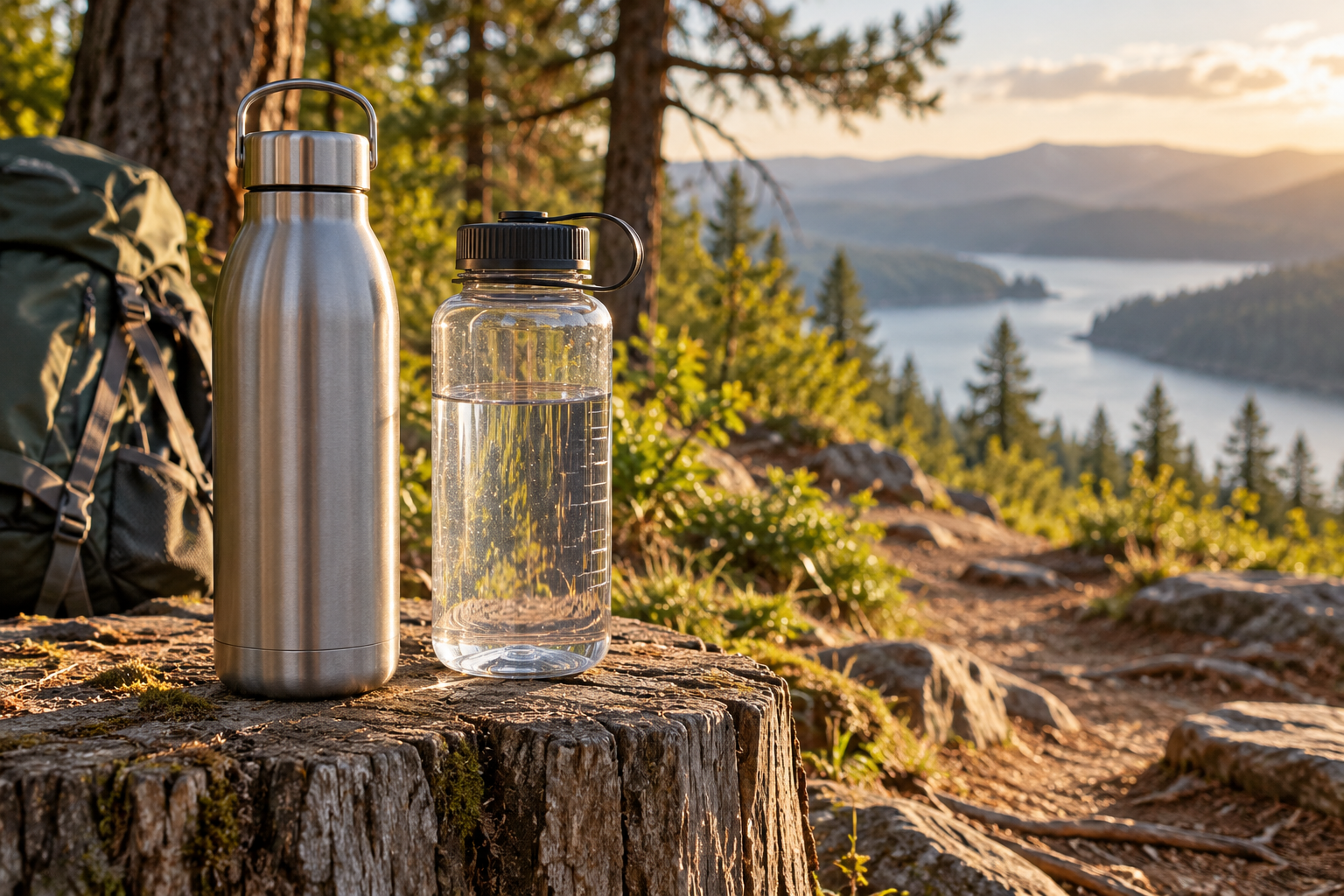
A steel insulated bottle and a clear lightweight bottle beside a forest path
AI-generated illustration; not a photograph of a tested product.

Quick verdict: Choose Rambler when maintaining drink temperature is worth carrying an insulated stainless bottle. Choose Yonder when a lighter, non-insulated water bottle fits the outing; compare similar capacities and the exact included cap.

Research-based buying guide; no hands-on testing is claimed. As an Amazon Associate, Time to Get Outside earns from qualifying purchases.

…

YETI Rambler Bottle vs Yonder: Is Insulation Worth the Extra Carry Weight? Read More »

Hydro Flask Wide Mouth vs Standard Mouth: Which Bottle Fits Your Outdoor Routine?

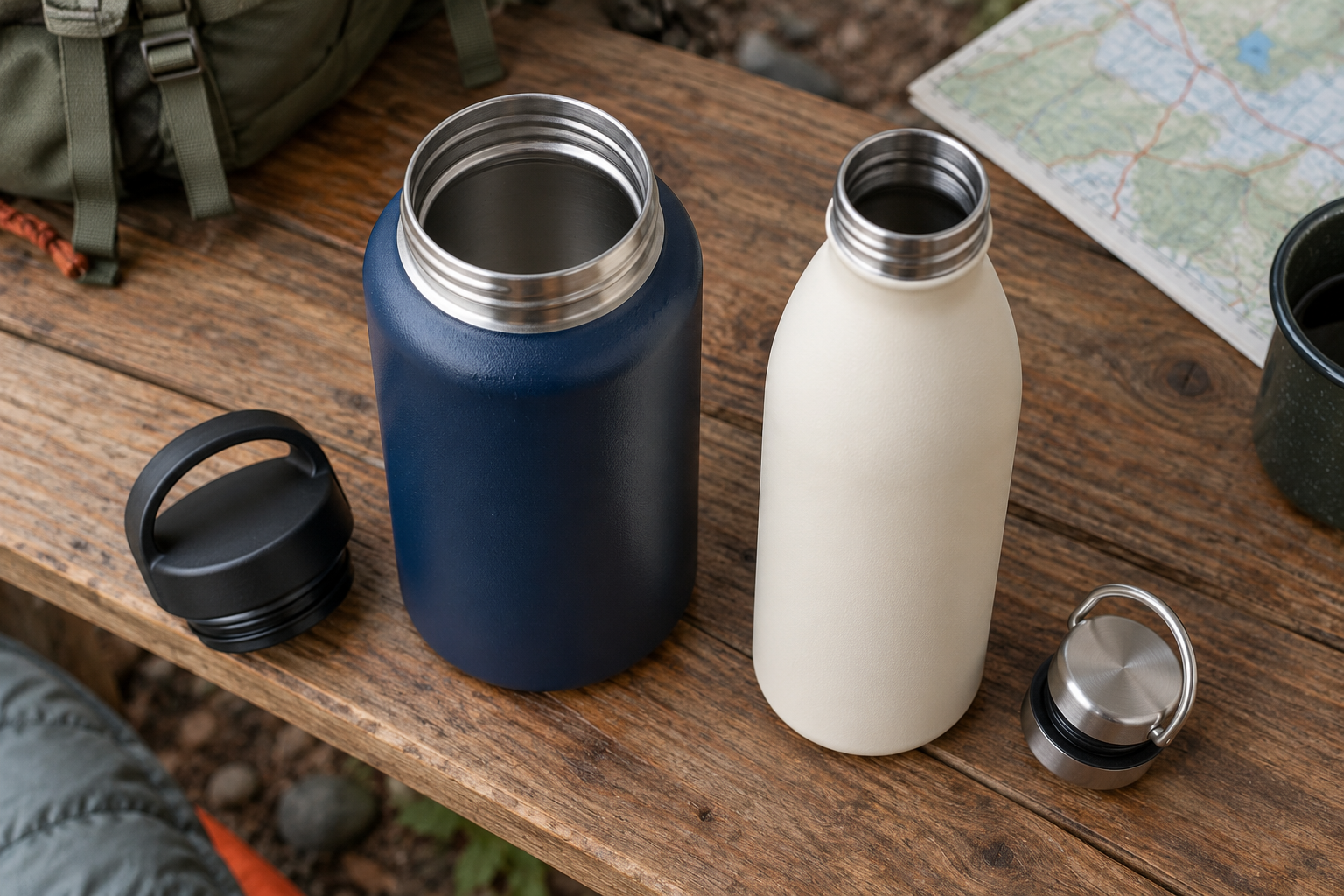
Stainless steel bottles with different mouth sizes at a campsite
AI-generated illustration; not a photograph of a tested product.

Quick verdict: Choose Wide Mouth for filling and access flexibility. Choose Standard Mouth when its drinking opening and bottle dimensions suit you better; compare the included cap and capacity before paying for either.

Research-based buying guide; no hands-on testing is claimed. As an Amazon Associate, Time to Get Outside earns from qualifying purchases.

…

Hydro Flask Wide Mouth vs Standard Mouth: Which Bottle Fits Your Outdoor Routine? Read More »

Owala FreeSip vs FreeSip Twist: Which Lid Is Worth Buying for Walks?

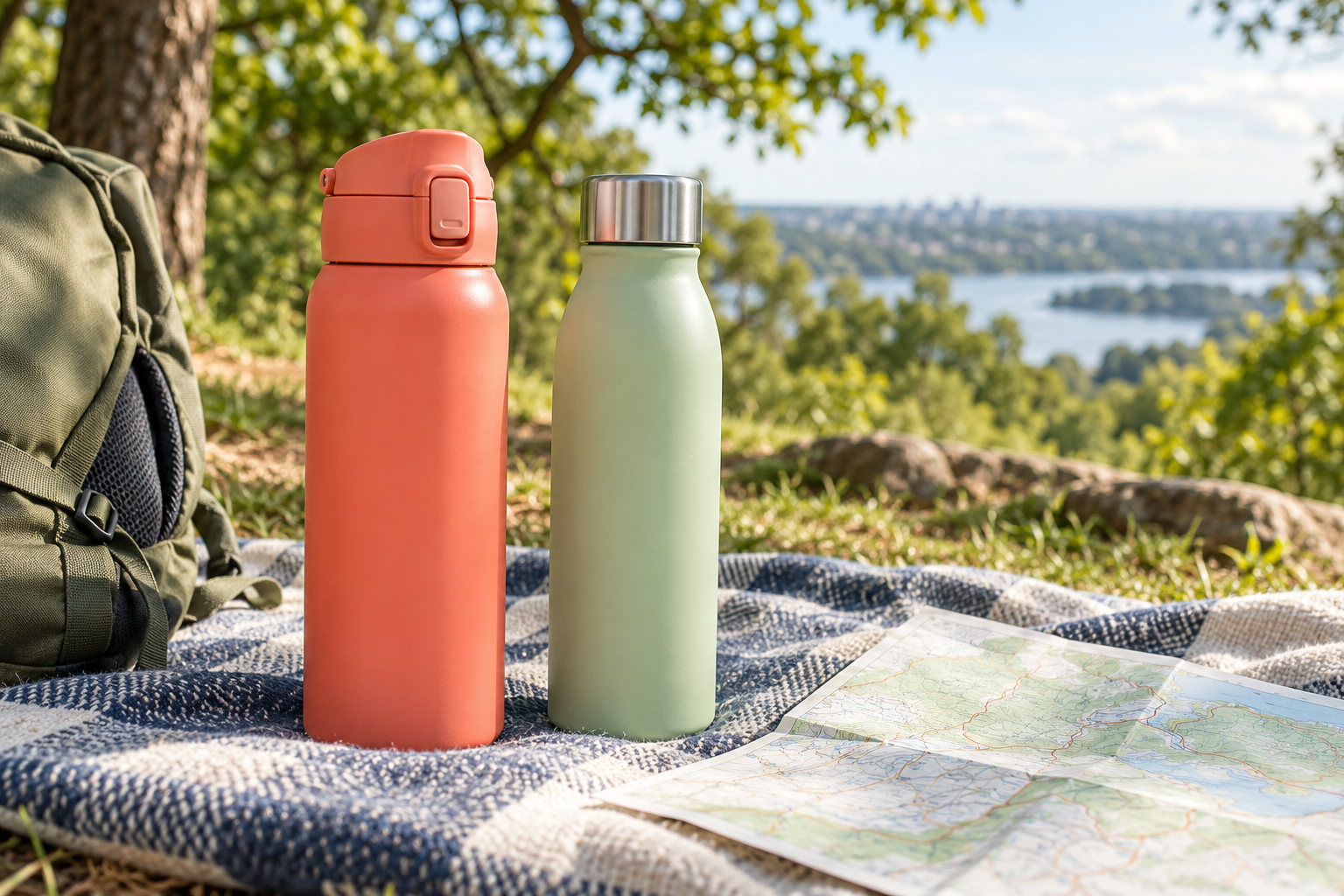
Flip-lid and twist-lid water bottles beside a walking map
AI-generated illustration; not a photograph of a tested product.

Quick verdict: Choose FreeSip for its button-operated covered spout. Choose FreeSip Twist when you prefer a screw-top routine and its particular shape; check the instructions for the exact material before deciding what drinks to carry.

Research-based buying guide; no hands-on testing is claimed. As an Amazon Associate, Time to Get Outside earns from qualifying purchases.

…

Owala FreeSip vs FreeSip Twist: Which Lid Is Worth Buying for Walks? Read More »

Nalgene Wide Mouth vs Narrow Mouth: Which Opening Is Better for Hiking?

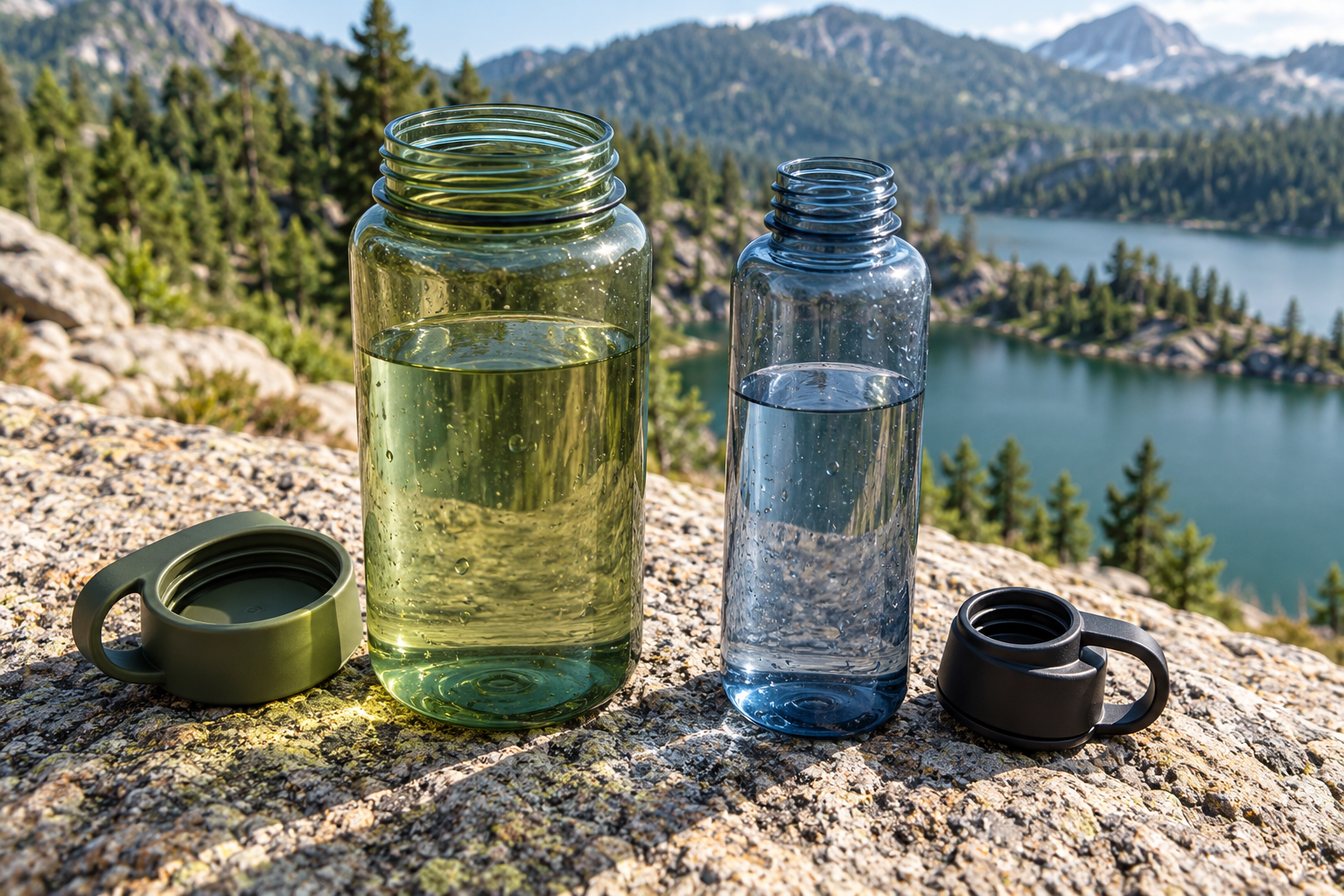
Wide-neck and narrow-neck reusable bottles on a lakeside rock
AI-generated illustration; not a photograph of a tested product.

Quick verdict: Choose Wide Mouth for easier filling, ice and access during cleaning. Choose Narrow Mouth if a smaller drinking opening is more comfortable; the better bottle is the one that suits your routine without extra adapters.

Research-based buying guide; no hands-on testing is claimed. As an Amazon Associate, Time to Get Outside earns from qualifying purchases.

…

Nalgene Wide Mouth vs Narrow Mouth: Which Opening Is Better for Hiking? Read More »