
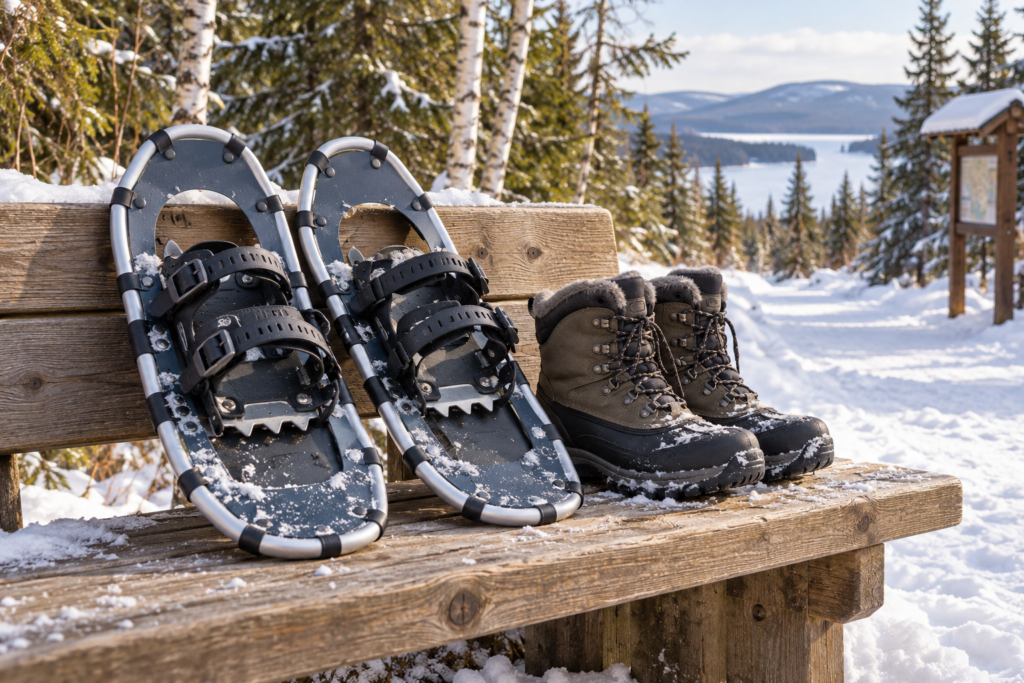
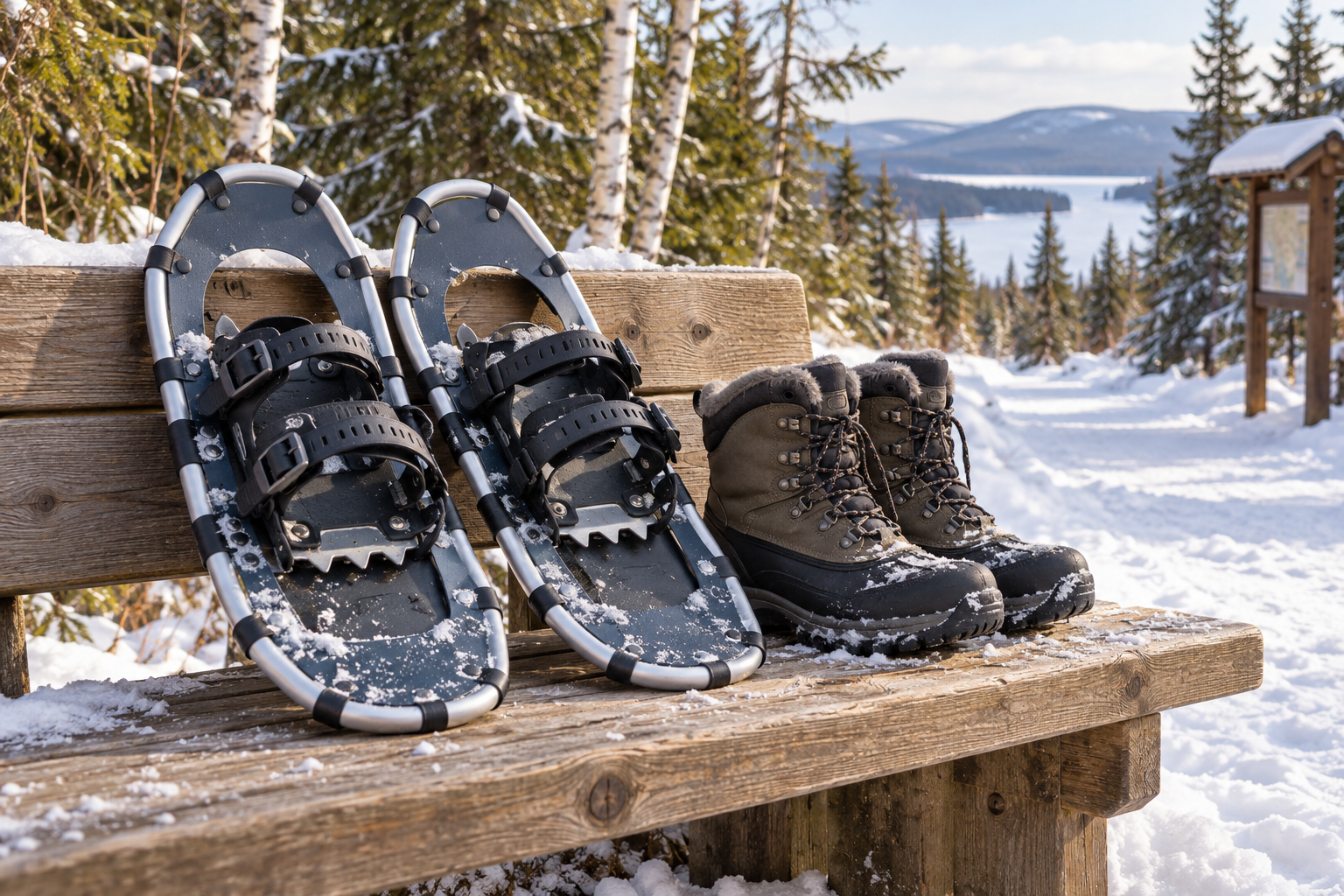
Quick verdict: Choose Evo Trail for suitable flat and rolling trails. Pay for Lightning Ascent when your planned terrain calls for its more aggressive traction and climbing-oriented design, rather than simply buying the most expensive MSR model.
Research-based buying guide; no hands-on testing is claimed. As an Amazon Associate, Time to Get Outside earns from qualifying purchases.
| Decision | How the options compare |
|---|---|
| Manufacturer’s intended role | Evo Trail: Flat trails and rolling hills Lightning Ascent: More demanding all-terrain use |
| Main buying focus | Evo Trail: Suitable flotation, boot fit and value Lightning Ascent: Traction frame, Paragon binding and heel lifts |
| Checked Canadian starting price | Evo Trail: CAD224.95 Lightning Ascent: CAD509.95 |
Buy for the terrain you will actually visit
MSR positions Evo Trail around flat and rolling terrain, while Lightning Ascent is a more technical design. Those different jobs explain more of the purchase than the price gap alone. An expensive mountain-oriented snowshoe is not automatically the most comfortable or useful choice for a gentle local winter route.
Choose size using the manufacturer’s guidance for total load and expected snow conditions, including clothing and pack weight. Then check the actual boots in the binding. A suitable category in the wrong size or with an awkward boot fit can be poor value regardless of its traction specification.
When Evo Trail is enough
For appropriate recreational routes, Evo Trail deserves to remain on the shortlist instead of being dismissed as an entry-level compromise. Look at the deck, traction arrangement and ease of fastening with your normal gloves. The practical goal is a usable system that matches the outing, not a collection of features for trips you do not plan.
The reviewed Canadian range showed Evo Trail from CAD224.95. Check the selected size, generation and included items before comparing a retailer’s price. A snowshoe-only listing and a package with poles and a bag are not the same purchase, even when the photo or name looks similar.
When Lightning Ascent earns the premium
Lightning Ascent adds a traction-frame design, Paragon binding and Ergo Televator heel lifts in the reviewed specification. These features deserve attention when demanding terrain and repeated climbing are part of a properly planned outing. They are less compelling if nearly all your snowshoeing takes place on gentle routes.
MSR’s range showed Lightning Ascent from CAD509.95, a CAD285 difference from the cited Evo starting price before checkout costs. That is a substantial premium to justify through intended use. A more technical snowshoe does not replace route judgment, winter knowledge or equipment appropriate to the actual conditions.
Check fit, service and the complete cost
Try fastening, releasing and carrying the snowshoes with the footwear and layers you intend to use. Compare binding service parts and any compatible flotation accessories by exact model. Do not assume the same brand means every tail, strap or binding part interchanges across the range.
My recommendation is Evo Trail when the route and fit support it, and Lightning Ascent when its specific traction and climbing features solve a real requirement. Compare current Canadian-dollar prices for the exact versions. Rent suitable snowshoes first if you are unsure about your usual terrain; a clear understanding of the job is more valuable than buying a premium model on speculation.
Compare current U.S. and Canadian listings
These buttons open product searches, not guaranteed stock or fixed prices. Match the exact model, size, included accessories and seller before ordering. Canadian shoppers should compare the final cost in Canadian dollars, including any shipping or import charges.
Related buying guides
- Best Snowshoes for Beginners: Easy, Reliable Winter Picks
- 25-Inch vs 30-Inch Snowshoes: Choose by Loaded Weight, Not Height
- Snow Gaiters vs Trekking Pole Snow Baskets: What Matters?
Sources and research notes
Specifications and guidance checked October 15, 2026. Recommendations are editorial judgments based on the cited details and use cases; they are not independent performance measurements.