
Quick verdict: Heel lifts are worth considering for repeated suitable uphill travel. For mostly flat recreational routes, prioritize flotation, traction and boot fit before paying extra for a climbing feature.
Research-based buying guide; no hands-on testing is claimed. As an Amazon Associate, Time to Get Outside earns from qualifying purchases.
| Decision | How the options compare |
|---|---|
| Main reason to buy | With heel lifts: A climbing support feature for suitable ascents Without heel lifts: A simpler purchase for routes that do not need the feature |
| Compare carefully | With heel lifts: Operation, boot contact and whole snowshoe design Without heel lifts: Terrain suitability, traction and flotation |
| Do not assume | With heel lifts: A lift makes steeper terrain appropriate Without heel lifts: A missing lift makes a recreational snowshoe poor quality |
The lift solves a specific part of climbing
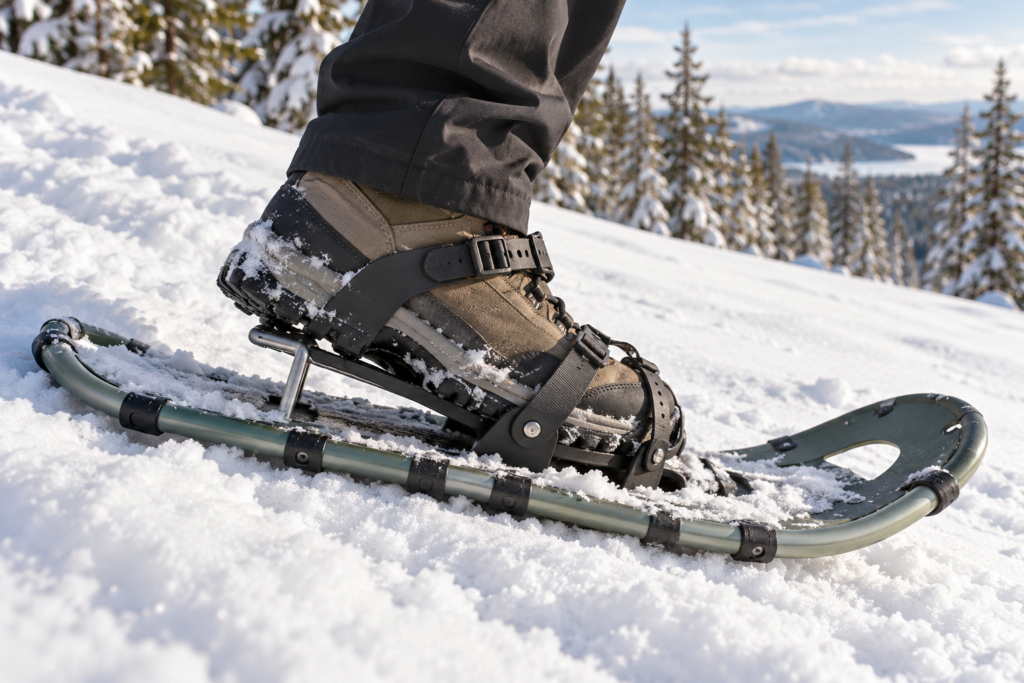
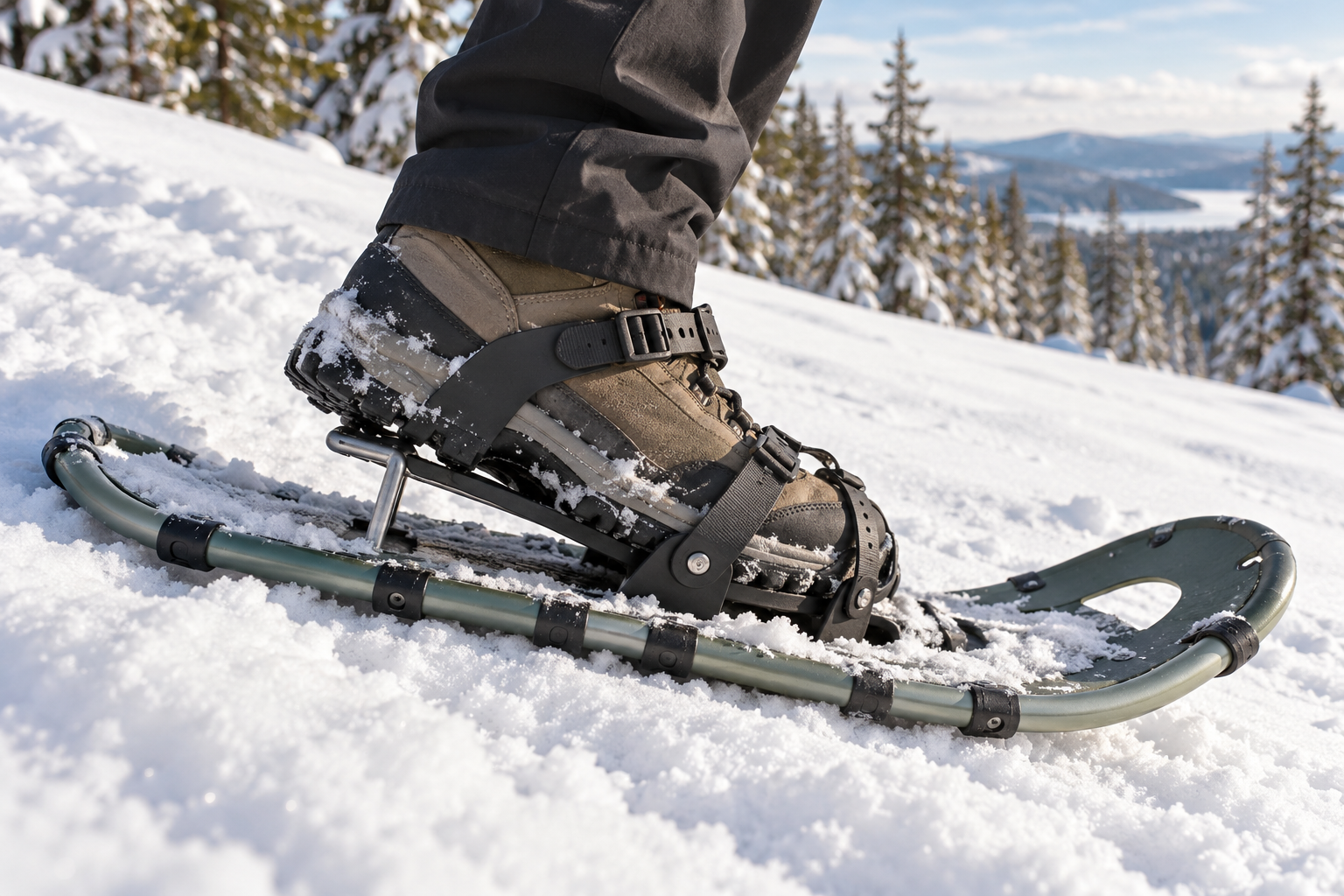
A snowshoe heel lift is a support that can be raised beneath the heel for suitable uphill use. Manufacturers describe it as a way to reduce the effort associated with repeated climbing. It is not a flotation extension, extra underfoot traction or a substitute for the right snowshoe category.
MSR calls its versions Televators, while other brands use their own names and designs. Compare the actual mechanism and intended use rather than assuming every climbing bar operates identically. A feature that is useful on one kind of route may do very little on another.
When the premium is justified
Consider the feature when the planned outing includes enough suitable uphill travel that you would use it repeatedly. Check operation with your boots and gloves and follow the manufacturer’s guidance for raising and lowering it. Convenience matters because a feature that is awkward to reach may not help your routine as much as expected.
The lift should be judged within the whole snowshoe. A model can add a climbing bar while differing in binding, traction and deck shape. Do not attribute the entire price difference between two unrelated snowshoes to the lift alone; identify what else you are buying.
When the cheaper option is enough
For mostly flat winter walks on routes suited to recreational snowshoes, a lift may not be an important purchase requirement. A comfortable binding and appropriate flotation can have much more effect on the outing. Keeping a sound pair without lifts can be a sensible decision when you rarely encounter the use case.
If you are choosing a first pair, start with the terrain, total loaded weight and actual boot fit. A feature list is a poor substitute for those basics. Renting an appropriate pair can help reveal whether climbing support is something you value before you pay a large premium.
Do not assume a retrofit is available
A heel lift is not a universal accessory that can safely be fitted to any snowshoe. Check the manufacturer’s approved replacement and compatibility information. A factory-designed system and an improvised attachment are different propositions, and replacement-part availability varies with model and generation.
My recommendation is to buy lifts when repeated suitable ascents justify them and skip the premium when your routes do not. Compare Canadian-dollar prices for whole snowshoes that otherwise meet the job. A lift may make an intended climb more comfortable, but it does not make every slope, snow condition or route suitable for your experience and equipment.
Compare current U.S. and Canadian listings
These buttons open product searches, not guaranteed stock or fixed prices. Match the exact model, size, included accessories and seller before ordering. Canadian shoppers should compare the final cost in Canadian dollars, including any shipping or import charges.
Related buying guides
- Best Snowshoes for Beginners: Easy, Reliable Winter Picks
- 25-Inch vs 30-Inch Snowshoes: Choose by Loaded Weight, Not Height
- Best Trekking Poles for Hiking and Uneven Trails
Sources and research notes
Specifications and guidance checked October 15, 2026. Recommendations are editorial judgments based on the cited details and use cases; they are not independent performance measurements.