Soft Cooler vs Hard Cooler for Weekend Car Camping

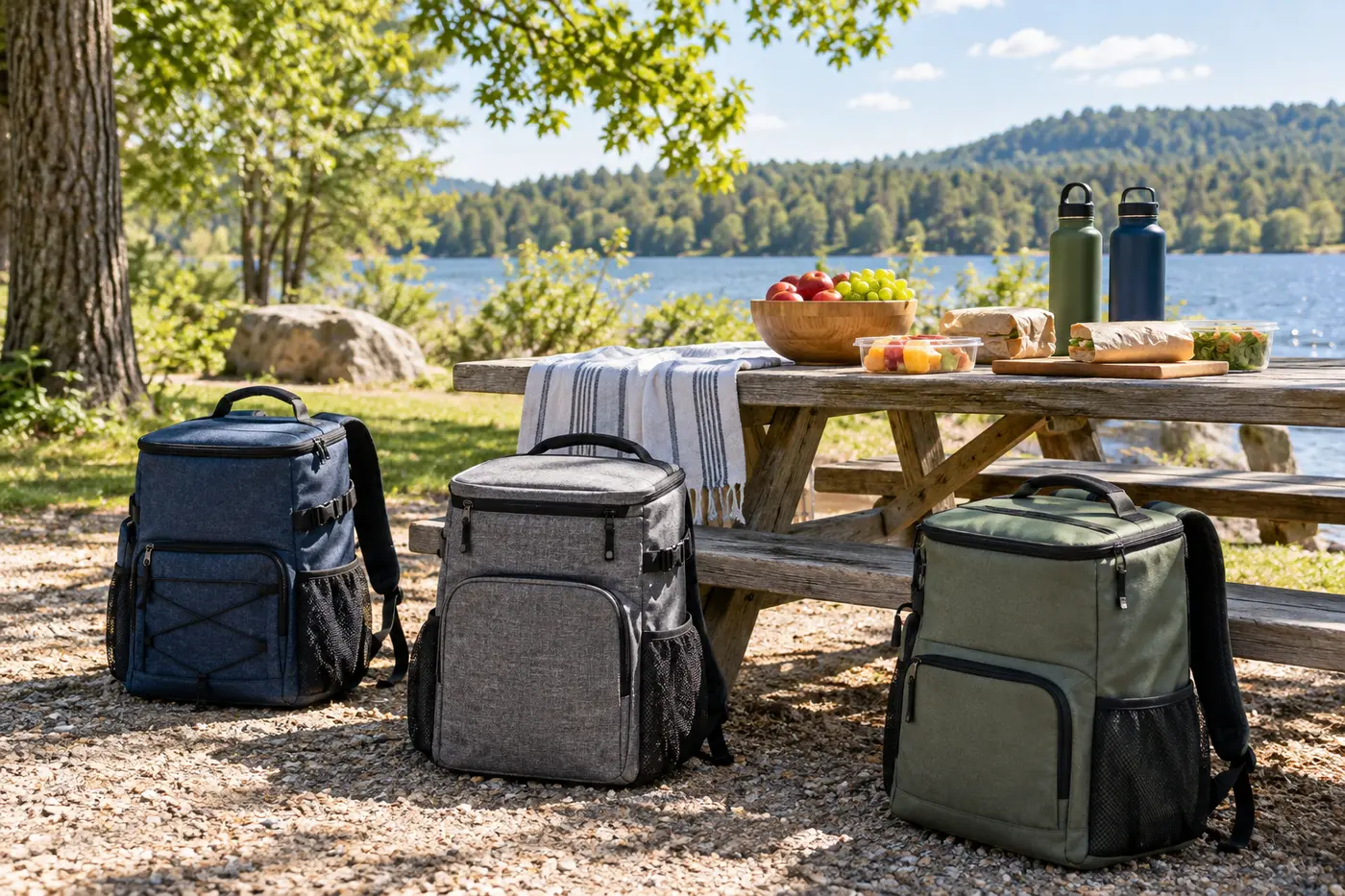
Three insulated cooler backpacks beside a picnic table with food and reusable bottles at a lakeside park
Illustrative outdoor scene from Time to Get Outside’s image collection.

Quick verdict: Choose a hard cooler when it will mostly stay near the vehicle and you need organized weekend food storage. Choose a soft cooler when carrying comfort and fitting tight spaces matter more. Actual insulation, closure and packing matter more than the shell label alone.

Research-based buying guide; no hands-on testing is claimed. As an Amazon Associate, Time to Get Outside earns from qualifying purchases.

…

Soft Cooler vs Hard Cooler for Weekend Car Camping Read More »
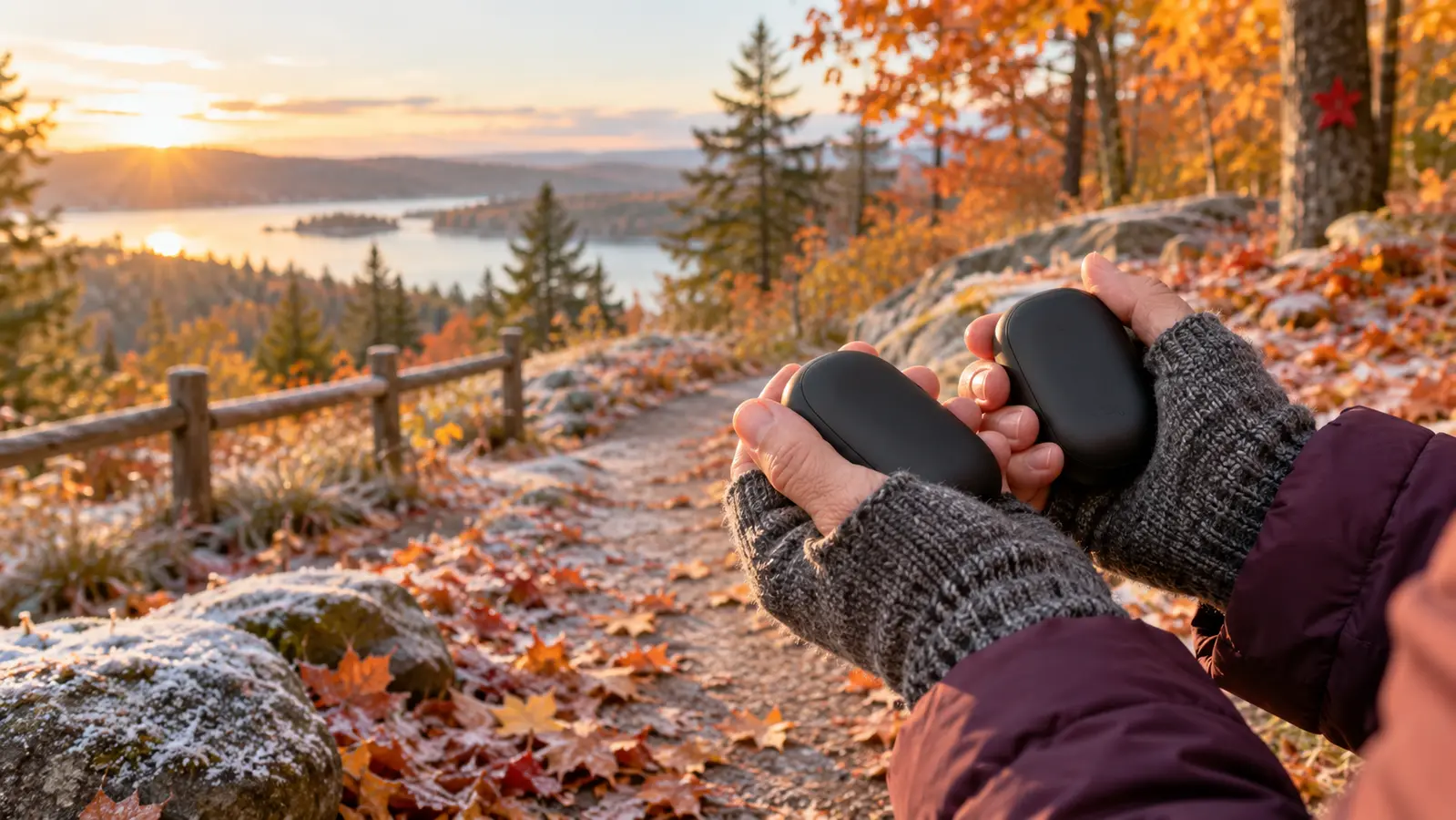
Rechargeable vs Disposable Hand Warmers for Outdoor Events

Older walker holding two rechargeable hand warmers on a frosty autumn trail
Illustrative outdoor scene from Time to Get Outside’s image collection.

Quick verdict: Choose rechargeables for frequent outings if you will keep them charged. Choose sealed disposable warmers for occasional events and a simple backup. Compare usable heat duration at the setting you need, not only the largest runtime number.

Research-based buying guide; no hands-on testing is claimed. As an Amazon Associate, Time to Get Outside earns from qualifying purchases.

…

Rechargeable vs Disposable Hand Warmers for Outdoor Events Read More »

25-Inch vs 30-Inch Snowshoes: Choose by Loaded Weight, Not Height

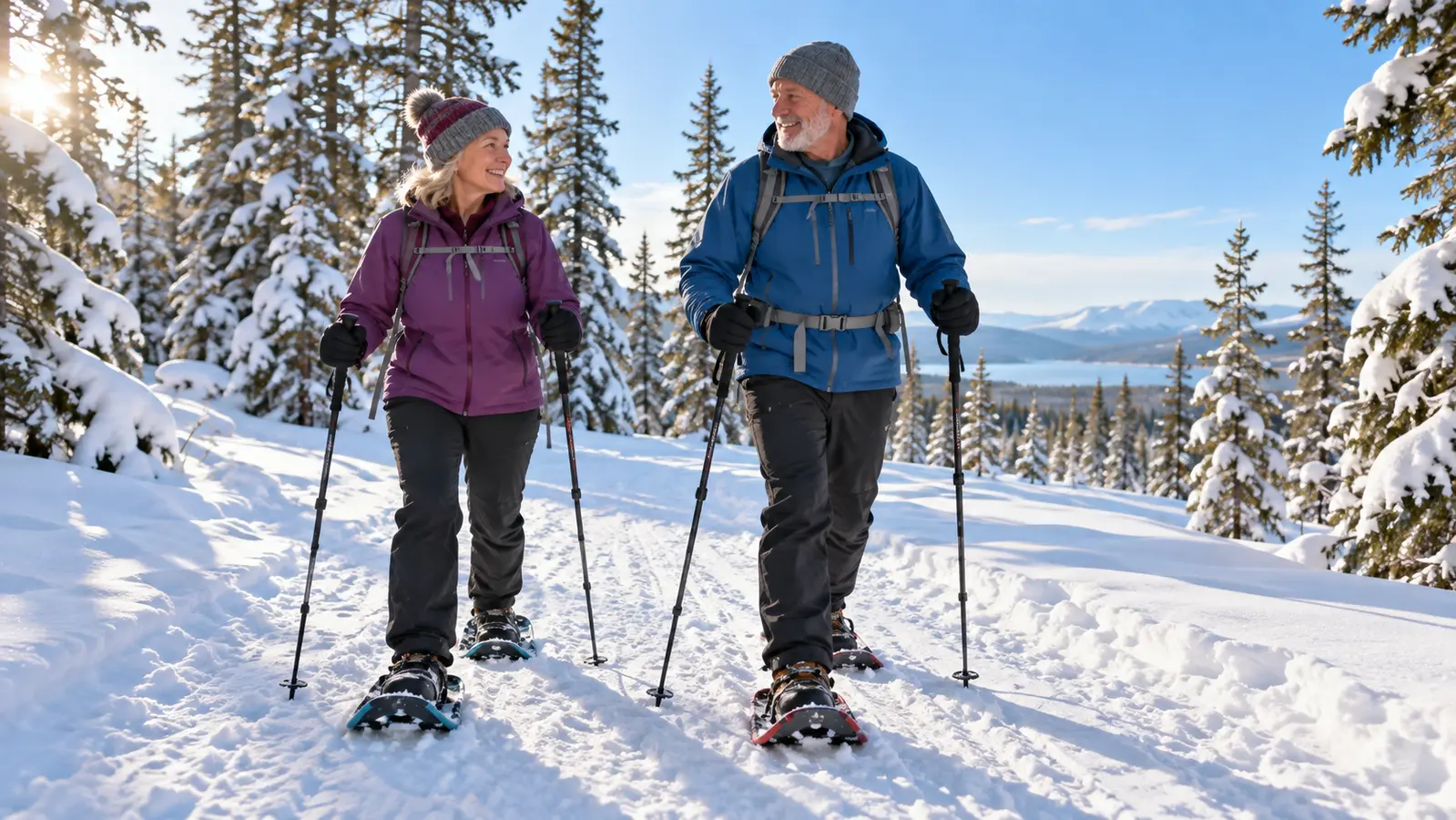
Older couple snowshoeing on a gentle winter trail
Illustrative outdoor scene from Time to Get Outside’s image collection.

Quick verdict: Choose the size recommended for your body weight plus clothing and carried gear, then adjust within the maker’s guidance for snow conditions. A 25-inch model can be easier to manage on packed trails; a suitable 30-inch model can provide more flotation in softer snow.

Research-based buying guide; no hands-on testing is claimed. As an Amazon Associate, Time to Get Outside earns from qualifying purchases.

…

25-Inch vs 30-Inch Snowshoes: Choose by Loaded Weight, Not Height Read More »

Polarized vs Non-Polarized Sunglasses for Hiking and Lakeside Walks

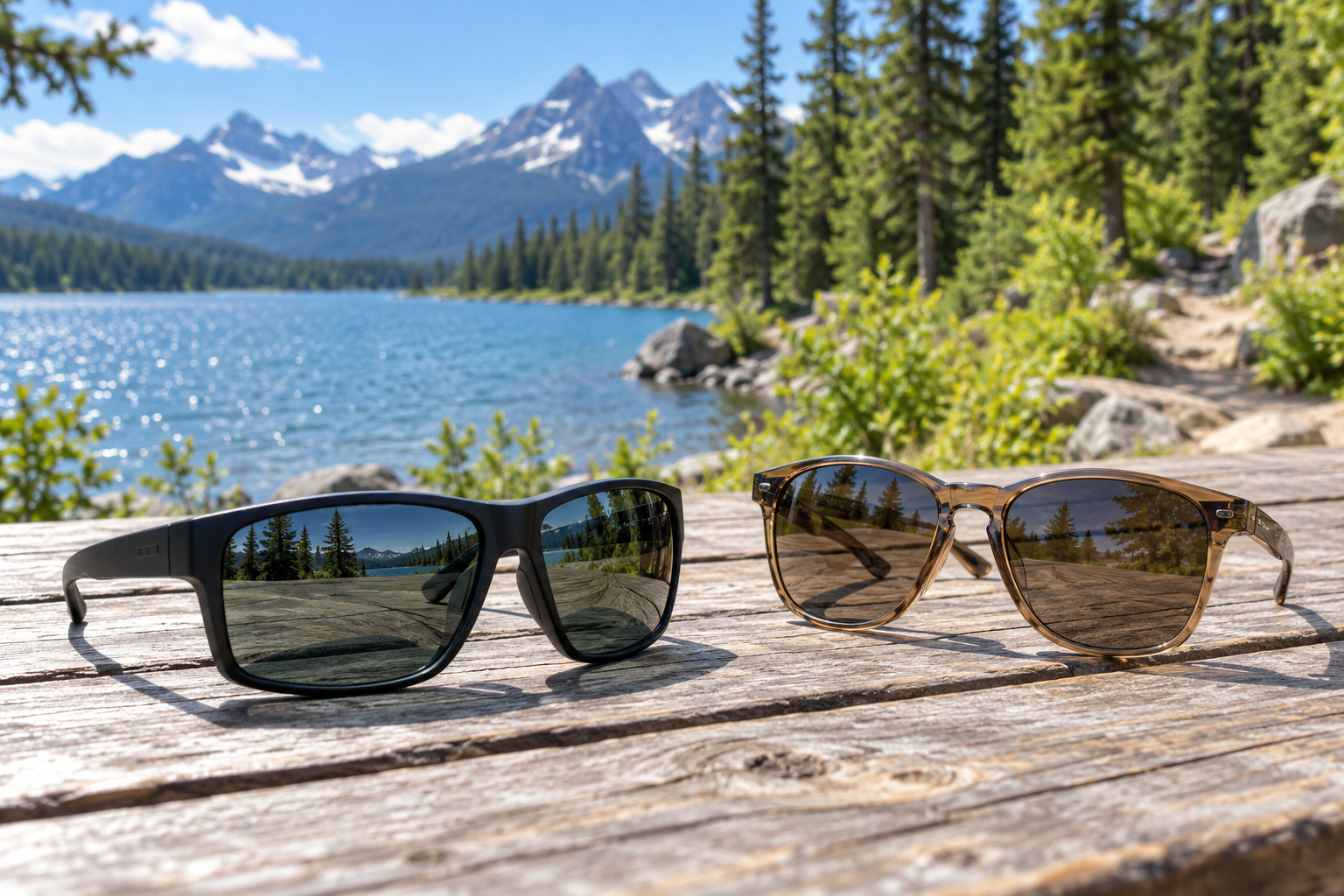
Two unbranded pairs of sunglasses on a picnic table beside a sunny lake
AI-generated illustration; not a product test or a photograph of specific branded models.

Quick verdict: Polarized lenses are a worthwhile upgrade when glare from water or other bright surfaces bothers you. For ordinary shaded walks, well-fitting non-polarized sunglasses with verified UVA/UVB protection may be enough. Polarization and UV protection are different specifications.

Research-based buying guide; no hands-on testing is claimed. As an Amazon Associate, Time to Get Outside earns from qualifying purchases.

…

Polarized vs Non-Polarized Sunglasses for Hiking and Lakeside Walks Read More »

Hiking Shoes vs Trail Runners for Gravel Paths and Easy Hikes

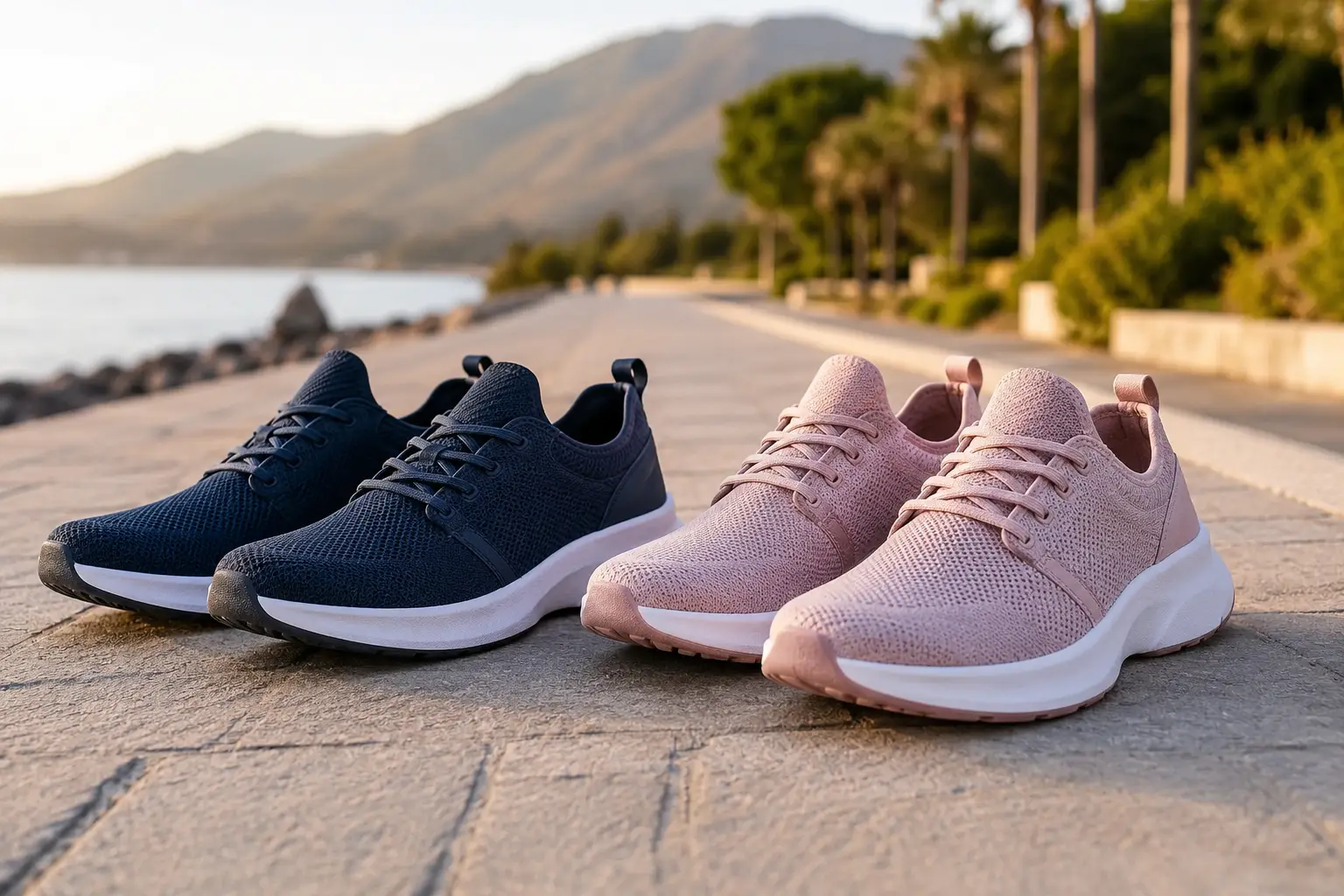
Comfortable walking shoes for everyday outdoor walks
Illustrative outdoor scene from Time to Get Outside’s image collection.

Quick verdict: For maintained gravel paths and easy day hikes, start with the lighter shoe that fits securely and feels comfortable. Choose a more structured hiking shoe when you want greater underfoot protection or durability. The category label matters less than the actual shoe.

Research-based buying guide; no hands-on testing is claimed. As an Amazon Associate, Time to Get Outside earns from qualifying purchases.

…

Hiking Shoes vs Trail Runners for Gravel Paths and Easy Hikes Read More »

Insulated vs Uninsulated Sleeping Pads for Spring and Fall Camping

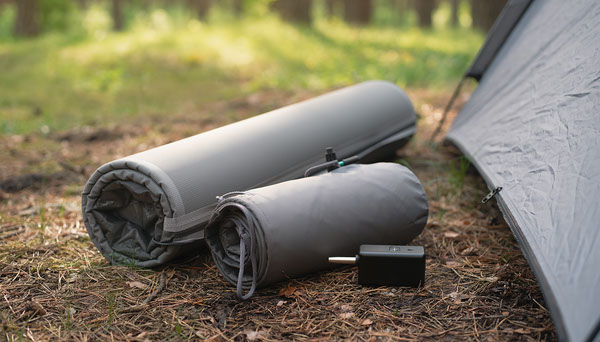
Pump sack and electric pump for sleeping pads
Illustrative outdoor scene from Time to Get Outside’s image collection.

Quick verdict: Choose a sleeping pad with a stated, appropriate insulation rating for cool spring and fall nights. An uninsulated pad can be a reasonable warm-weather purchase, but thickness alone does not make it a dependable cold-ground barrier.

Research-based buying guide; no hands-on testing is claimed. As an Amazon Associate, Time to Get Outside earns from qualifying purchases.

…

Insulated vs Uninsulated Sleeping Pads for Spring and Fall Camping Read More »

Tent Vestibule vs Separate Gear Tarp: Where Should Wet Gear Go?

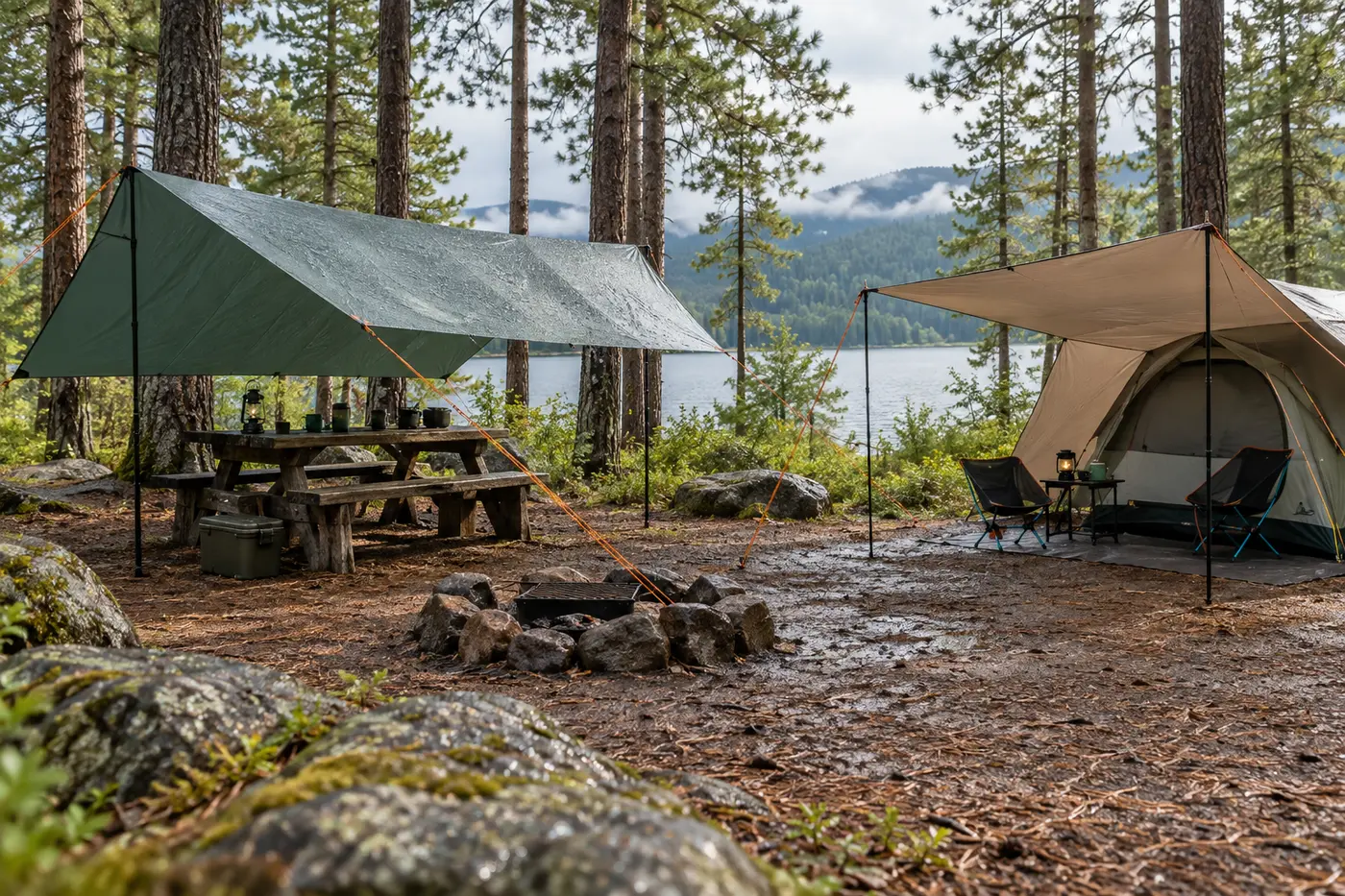
Camping tarps securely pitched over a picnic table and tent at a damp lakeside forest campsite
Illustrative outdoor scene from Time to Get Outside’s image collection.

Quick verdict: Use a tent vestibule for quick overnight access to boots and suitable non-scented gear. Add a separate tarp when you need a larger shared rain shelter at a permitted campsite. Neither is a safe cooking enclosure or a substitute for approved food storage.

Research-based buying guide; no hands-on testing is claimed. As an Amazon Associate, Time to Get Outside earns from qualifying purchases.

…

Tent Vestibule vs Separate Gear Tarp: Where Should Wet Gear Go? Read More »

Single-Wall vs Double-Wall Tents: Is Lighter Always Better?

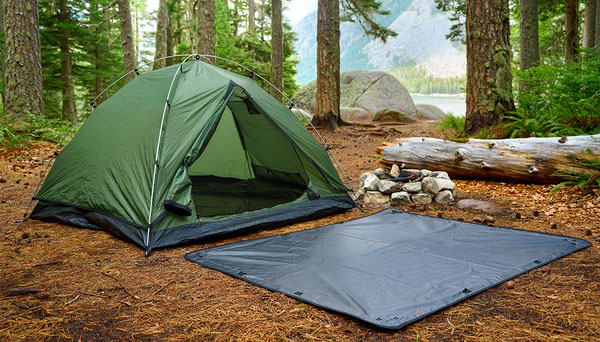
footprint vs tarp in an outdoor setting
Illustrative outdoor scene from Time to Get Outside’s image collection.

Quick verdict: A double-wall tent is the more forgiving default for damp, mixed-condition camping. Choose a single-wall design when its lighter or simpler setup solves a genuine need and you are comfortable managing condensation and clearance from wet fabric.

Research-based buying guide; no hands-on testing is claimed. As an Amazon Associate, Time to Get Outside earns from qualifying purchases.

…

Single-Wall vs Double-Wall Tents: Is Lighter Always Better? Read More »

Dome Tent vs Cabin Tent: Which Is Better for Car Camping?

footprint vs tarp in an outdoor setting
Illustrative outdoor scene from Time to Get Outside’s image collection.

Quick verdict: Choose a dome tent for a relatively simple shelter and a lower-profile shape. Choose a cabin-style tent when upright living space and room around raised beds are more important. Actual dimensions, construction and campsite conditions matter more than the category name.

Research-based buying guide; no hands-on testing is claimed. As an Amazon Associate, Time to Get Outside earns from qualifying purchases.

…

Dome Tent vs Cabin Tent: Which Is Better for Car Camping? Read More »

Propane vs Isobutane Camping Stoves: Which Fuel Setup Fits Your Trips?

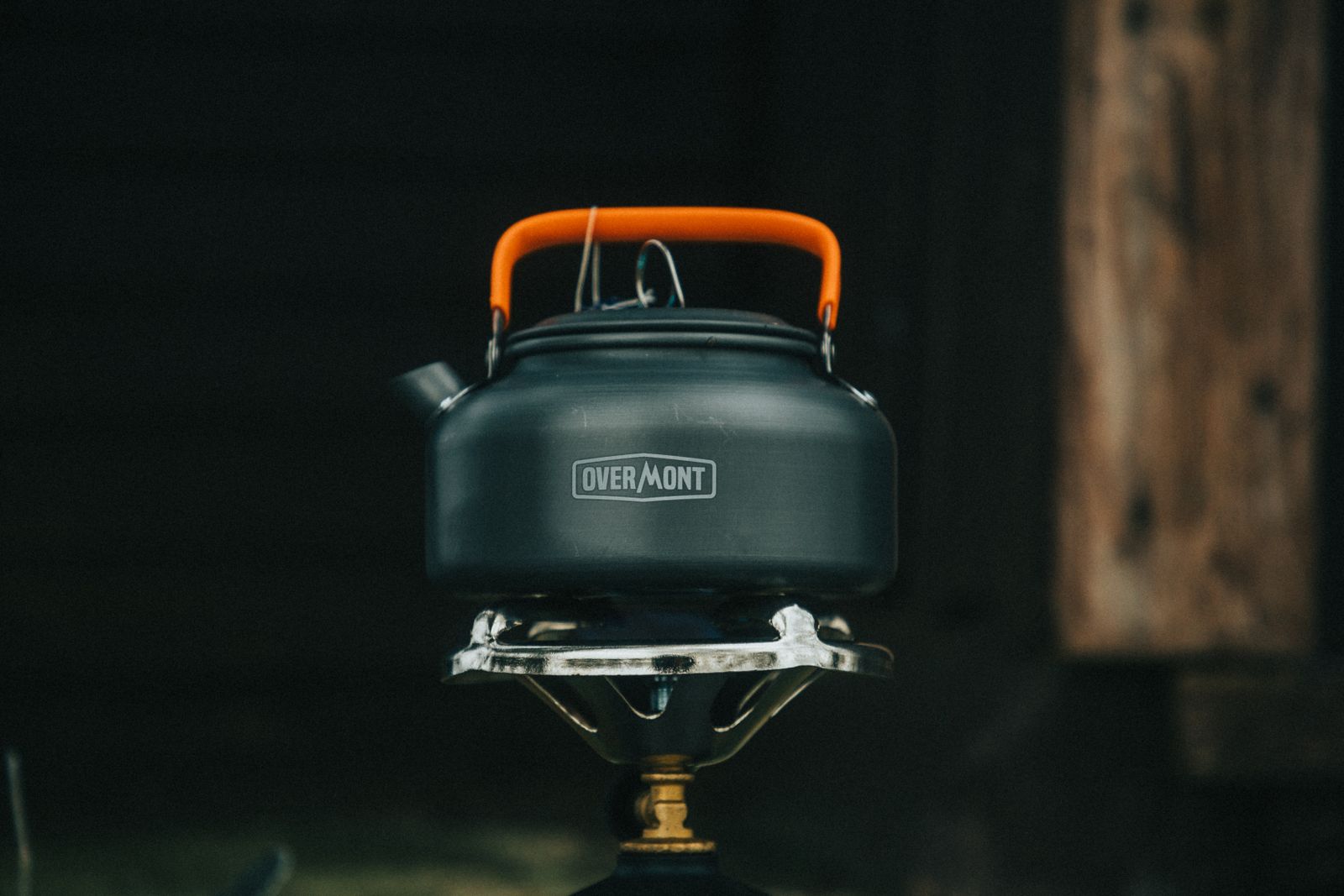
Camping kettle on a compact outdoor stove
Illustrative outdoor scene from Time to Get Outside’s image collection.

Quick verdict: Choose a propane tabletop stove for car-camping meals with larger pans and more than one burner. Choose a compatible isobutane-blend backpacking stove when carrying weight and packed size matter. Match the fuel connection to the exact stove.

Research-based buying guide; no hands-on testing is claimed. As an Amazon Associate, Time to Get Outside earns from qualifying purchases.

…

Propane vs Isobutane Camping Stoves: Which Fuel Setup Fits Your Trips? Read More »