
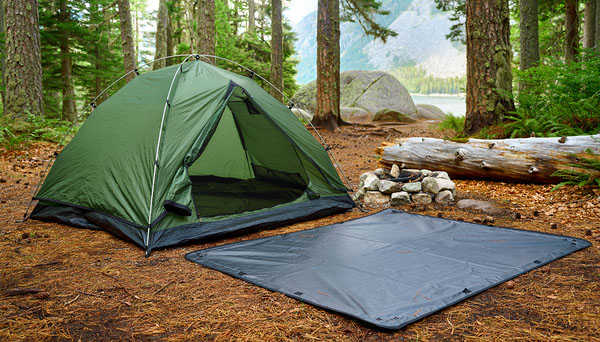
Quick verdict: A double-wall tent is the more forgiving default for damp, mixed-condition camping. Choose a single-wall design when its lighter or simpler setup solves a genuine need and you are comfortable managing condensation and clearance from wet fabric.
Research-based buying guide; no hands-on testing is claimed. As an Amazon Associate, Time to Get Outside earns from qualifying purchases.
| Decision | How the options compare |
|---|---|
| Basic arrangement | Single-wall design: One primary wall separates inside and outside Double-wall design: Inner tent plus outer rainfly |
| Main appeal | Single-wall design: Potential weight and setup savings Double-wall design: Separation from condensation on the fly |
| Main compromise | Single-wall design: Less separation from wet interior surfaces Double-wall design: More components and often more weight |
| Best purchase test | Single-wall design: Does the weight saving justify the operating tradeoff? Double-wall design: Does the inner space stay usable with the fly properly pitched? |
Two walls do not mean condensation disappears
The important distinction is often whether moisture reaches you, rather than whether it forms at all. Tarptent explains that both tent types can develop condensation; a double-wall design puts an inner layer between the sleeper and the underside of the fly.
That separation is valuable for someone who turns over during the night or sits up close to a wall. It is especially relevant when the weather is cool and damp. Buying a double-wall shelter still does not excuse poor ventilation or pressing bedding against the inner fabric.
Why double-wall is the better default
For ordinary campsite use, a separate inner and fly can make the interior easier to manage. You can prioritize the space around your sleeping pad and clothing instead of constantly watching your distance from the outer fabric. Depending on the design, there may also be useful separate pitching options.
MSR’s comparison identifies humid and rainy environments as a strong use case for double-wall shelters. The weight and component penalty is often a reasonable trade when your vehicle is nearby. A few saved ounces are less persuasive if your priority is a relaxed weekend rather than a tightly limited pack.
When single-wall is worth considering
A well-chosen single-wall tent can reduce the amount of fabric and simplify parts of setup. That may be a meaningful advantage on a carried trip, especially when you understand the design and expect conditions that suit it. Some specialist mountaineering shelters and lightweight trekking shelters use quite different materials, so they should not be treated as one interchangeable category.
Measure the usable sleeping space carefully. A tent can technically fit a long pad while leaving very little room for a tall sleeper’s bag to avoid the end wall. If you must buy a larger tent to gain adequate clearance, part of the apparent weight advantage may disappear.
What the upgrade actually buys
If you already use a single-wall shelter comfortably, changing to double-wall mainly for reassurance may add cost without improving your trips. Conversely, if condensation repeatedly reaches your quilt or bag, adding separation can be more useful than purchasing another accessory to mop up the same problem.
Hybrids and optional liners complicate the labels. Tarptent describes designs that use a liner to provide some of the separation associated with double-wall tents. Compare the complete package with the liner, poles, stakes and required accessories included, rather than comparing minimum body weights.
Drawbacks to assess before ordering
More layers can mean more pieces to dry and pack. Less fabric can mean more care with interior clearance. Neither category tells you the quality of the zipper, the usable door size or whether the tent fits the site’s pitching surface.
Read the maker’s setup instructions and allow the fly and inner to remain separated where designed. Check ventilation options with the doors closed for rain. A shelter that looks airy in a fully opened promotional photograph may feel quite different in the conditions you expect.
Who should buy—and who should skip?
- Buy double-wall: you want a forgiving general-purpose setup for damp and varied conditions.
- Buy single-wall: its complete packed weight or setup process matters enough to accept the moisture-management tradeoff.
- Skip replacement: your current shelter fits, performs appropriately and does not create a recurring problem.
Final buying recommendation
Choose double-wall for general damp-weather comfort; choose single-wall deliberately for a specific carrying or setup advantage. The lightest specification is not automatically the best-value tent for the way you camp.
Compare current U.S. and Canadian listings
These buttons open product searches, not guaranteed stock or fixed prices. Match the exact model, size, included accessories and seller before ordering. Canadian shoppers should compare the final cost in Canadian dollars, including any shipping or import charges.
Related buying guides
- Tent Footprint vs Tarp Groundsheet: Which Protects Your Tent Better?
- Gear Repair Tape vs Seam Sealer: Which Fixes a Leaky Tent?
- Best Camping Tarps for Rain Protection and Shade
Sources and research notes
Specifications and guidance checked October 15, 2026. Recommendations are editorial judgments based on the cited details and use cases; they are not independent performance measurements.