
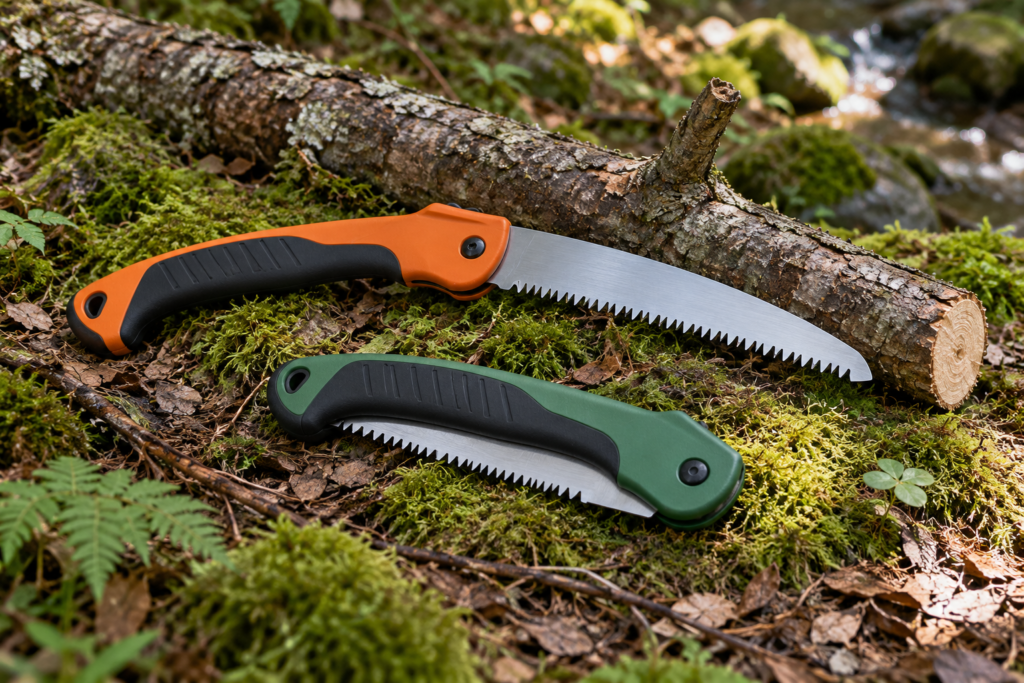
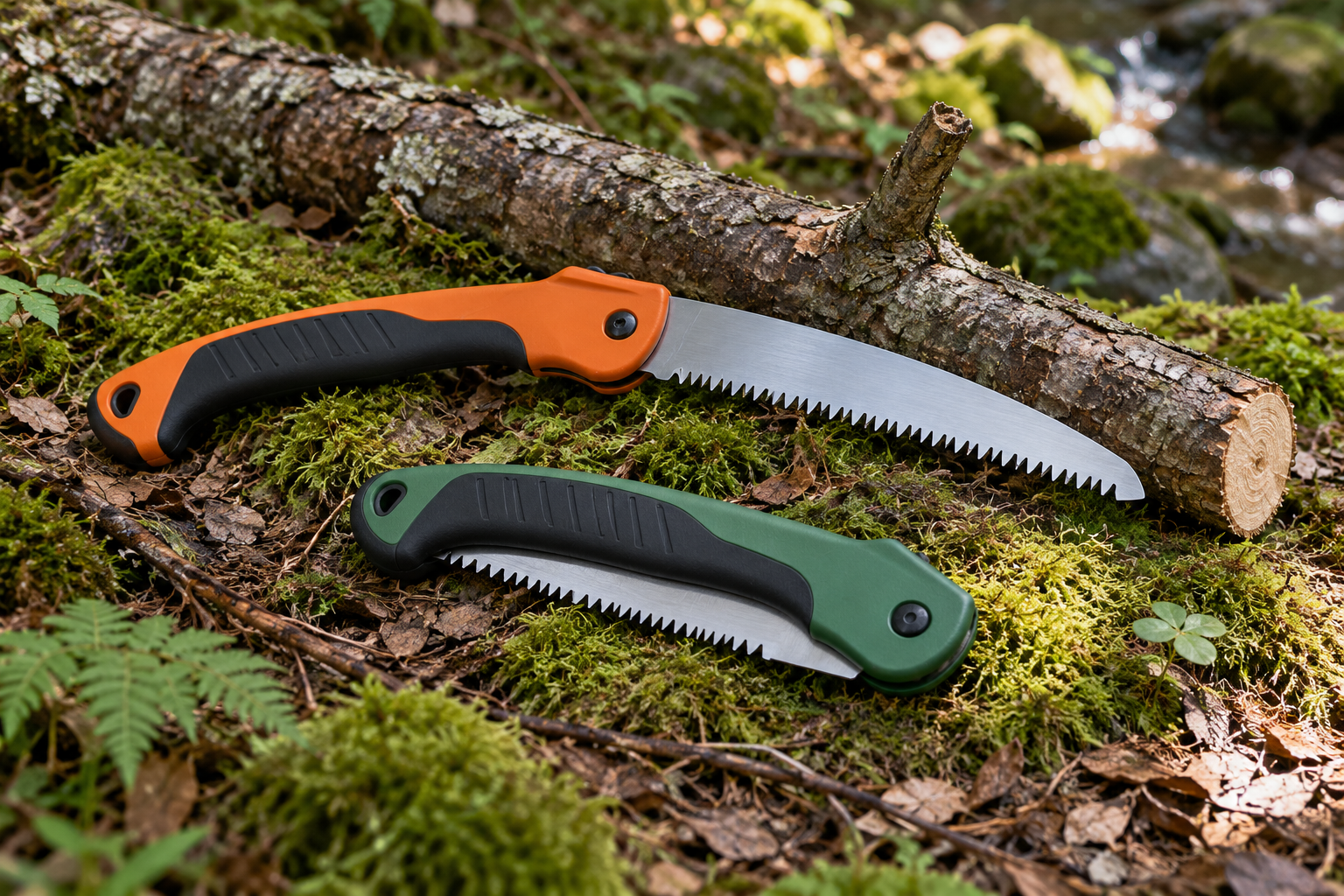
Quick verdict: Compare the exact blade before choosing a brand. Pocketboy 170 Medium makes sense when that compact blade and tooth pattern fit your work; Laplander 396-LAP offers a 190 mm blade and its own replacement system. Keep a sound saw that already suits the job.
Research-based buying guide; no hands-on testing is claimed. As an Amazon Associate, Time to Get Outside earns from qualifying purchases.
| Decision | How the options compare |
|---|---|
| Compared blade length | Pocketboy 170 Medium: 170 mm Bahco Laplander 396-LAP: 190 mm |
| Listed tooth pattern | Pocketboy 170 Medium: 8.5 teeth per inch Bahco Laplander 396-LAP: 7 teeth per inch |
| Parts check | Pocketboy 170 Medium: Match blade length and tooth version Bahco Laplander 396-LAP: Match the 396-LAP replacement blade |
The exact Pocketboy version changes the comparison
Pocketboy is a family of saws, not one universal specification. The reviewed 170 mm Medium model differs from shorter versions and other tooth patterns. Silky lists multiple blade configurations, which means a lower-priced Pocketboy listing may describe a different cutting setup rather than the same saw at a bargain price.
Start with the material and task that actually belong in your permitted campsite routine. A saw selected for a particular kind of wood is a more useful purchase than one selected because its brand has a strong reputation. Avoid assuming that a higher price, longer blade or coarser tooth pattern wins every job.
What the compared specifications tell you
Silky lists a 170 mm blade and 8.5 teeth per inch for Pocketboy 170 Medium. Bahco lists a 190 mm blade and 7 teeth per inch for Laplander 396-LAP. These differences describe the tools; they do not establish an independently measured cutting-speed winner in all woods.
A longer blade can be worth considering for the task, but the folded package and handle also need to fit your kit. Look at the correct carrying dimensions and how the covered tool will be stored. Do not compare blade length on one product with overall open length on the other.
Replacement blades and carrying weight matter
Silky specifies that Pocketboy replacement blades interchange within the same blade length, with different tooth configurations available. Match both dimensions and the intended tooth pattern before ordering a spare. Bahco lists spare blades for 396-LAP as a separate model-specific purchase rather than a generic folding-saw part.
The Pocketboy page distinguishes approximately 200 grams operating weight from 280 grams with its included case. Bahco lists 200 grams for the compared Laplander. If you compare carry weight, include the case or protection arrangement you intend to use instead of mixing a bare-tool figure with a complete packed figure.
When paying more is worthwhile
A replacement pathway, a preferred handle and a blade suited to your actual wood tasks can justify a purchase. An unsupported claim that one brand is always faster cannot. If your current folding saw remains sound and its blade suits the intended job, replacing it solely for a different brand is unnecessary.
My recommendation is to shortlist the exact Pocketboy 170 Medium and Laplander 396-LAP, then compare task suitability, folded fit and total Canadian-dollar cost including replacement blades. Read the chosen saw’s use and maintenance instructions. Buy a specialized tooth version only when you understand why it fits the material, rather than treating every Pocketboy or every folding saw as interchangeable.
Compare current U.S. and Canadian listings
These buttons open product searches, not guaranteed stock or fixed prices. Match the exact model, size, included accessories and seller before ordering. Canadian shoppers should compare the final cost in Canadian dollars, including any shipping or import charges.
Related buying guides
- Folding Camp Saw vs Hatchet: What Is More Useful for Camping?
- Camping Gear Repair Kit vs Duct Tape: What Is Worth Carrying?
- Firewood Carrier vs Storage Tub for Car Camping
Sources and research notes
Specifications and guidance checked October 16, 2026. Recommendations are editorial judgments based on the cited details and use cases; they are not independent performance measurements.