
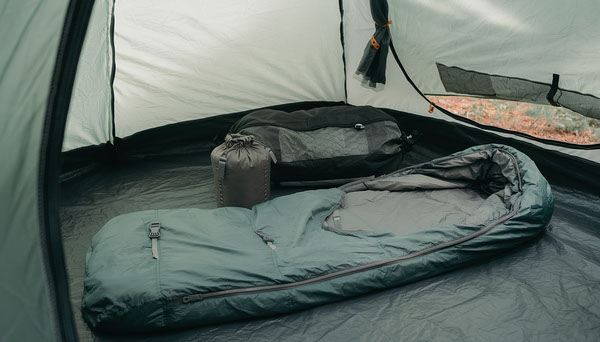
Quick verdict: Choose a suitable mummy bag when a close-fitting shape, hood and efficient packed kit matter. Choose a rectangular bag when room to move is the priority and its temperature rating suits the trip. Shape alone does not establish how warm a bag will be.
Research-based buying guide; no hands-on testing is claimed. As an Amazon Associate, Time to Get Outside earns from qualifying purchases.
| Decision | How the options compare |
|---|---|
| Fit | Mummy bag: Tapered, usually with a hood Rectangular bag: Roomier shoulders and foot area |
| Common attraction | Mummy bag: Closer enclosure and compact packing Rectangular bag: Freedom to move and spread out |
| Main fit risk | Mummy bag: Too restrictive at shoulders or feet Rectangular bag: More room than you want to warm |
| Warmth comparison | Mummy bag: Check comfort rating and complete sleep system Rectangular bag: Check comfort rating and complete sleep system |
Start with how you sleep
A sleeping bag should let you rest in a normal position. A tapered bag that looks efficient on a scale can be a poor purchase if you fight it all night. A roomy rectangular bag can be equally disappointing if it is unsuitable for the weather you actually encounter.
REI’s camping-bag guide describes mummy, rectangular and intermediate shapes. Its central buying lesson is useful here: fit and temperature rating both matter. A shape name is not a standardized warmth rating, and different bags within the same shape can have very different insulation.
When the mummy shape makes sense
A mummy bag is worth considering when you like a close enclosure and want a hood integrated into the bag. Tapering can reduce spare space around the legs and feet. It can also help create a compact carried kit, although the actual packed size depends on materials and construction.
Try the bag zipped up on a sleeping pad. Bend your knees, turn onto your side and check shoulder and foot room. Your feet should not have to compress the insulation at the end to fit. Tall and broad users should compare length and girth rather than relying on one generic size label.
When rectangular is the better purchase
A rectangular bag suits campers who dislike being enclosed tightly or who regularly change position. For a car-accessible summer campsite, extra packed bulk may be a reasonable trade for a shape you find comfortable.
However, roomy does not mean suitable for every cool night. Some rectangular bags are made for mild conditions; others have more substantial insulation. Choose the exact model’s appropriate rating rather than assuming either that all rectangles are warm or that none can serve cooler trips.
A middle shape can avoid an unnecessary compromise
If a mummy feels too narrow but a rectangle feels excessive, compare semi-rectangular or shaped alternatives. The useful question is whether you can move without leaving large unwanted gaps. A slightly different cut can solve the problem more effectively than a more expensive fill in the wrong shape.
Also inspect zipper access and ventilation. A bag that opens usefully for a warm night may cover more of your camping season than a very specialized option. Check whether any advertised joining feature requires a specific partner bag and opposite-side zipper.
Temperature labels need careful reading
Where standardized ratings are supplied, distinguish comfort from lower-limit figures. Do not compare one brand’s comfort temperature with another’s limit as though they mean the same thing. Your sleeping pad, clothing, shelter and personal warmth needs affect the complete system.
For Canadian trips, plan for the forecast conditions and the plausible overnight low at that location, not the temperature at home during packing. If your existing bag is uncomfortable, first identify whether fit, insulation or the pad beneath you is responsible.
Final buying recommendation
Buy a mummy for a close-fitting setup you enjoy; buy a rectangle for movement with an appropriate warmth rating. Spend on the correct length, width and sleep-system match. Replacing a bag solely because another shape is described as more technical is unlikely to improve a comfortable night’s sleep.
Compare current U.S. and Canadian listings
These buttons open product searches, not guaranteed stock or fixed prices. Match the exact model, size, included accessories and seller before ordering. Canadian shoppers should compare the final cost in Canadian dollars, including any shipping or import charges.
Related buying guides
- Down vs Synthetic Sleeping Bags for Damp Car Camping
- Insulated vs Uninsulated Sleeping Pads for Spring and Fall Camping
- Best Sleeping Bag Liners for Camping Comfort and Cleaner Sleep Systems
Sources and research notes
Specifications and guidance checked October 15, 2026. Recommendations are editorial judgments based on the cited details and use cases; they are not independent performance measurements.