
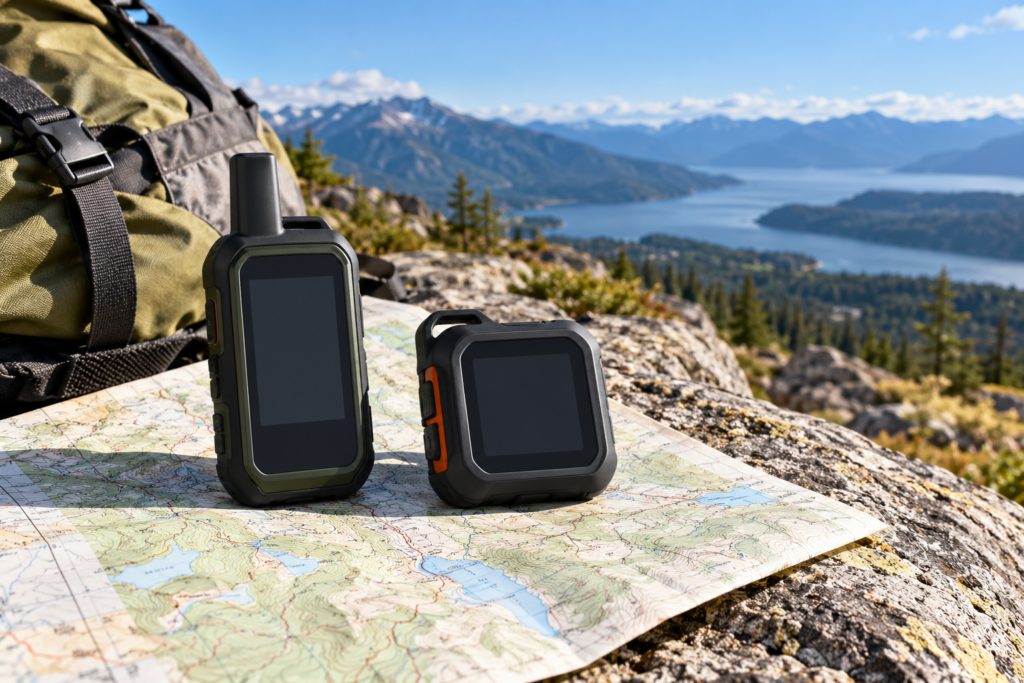
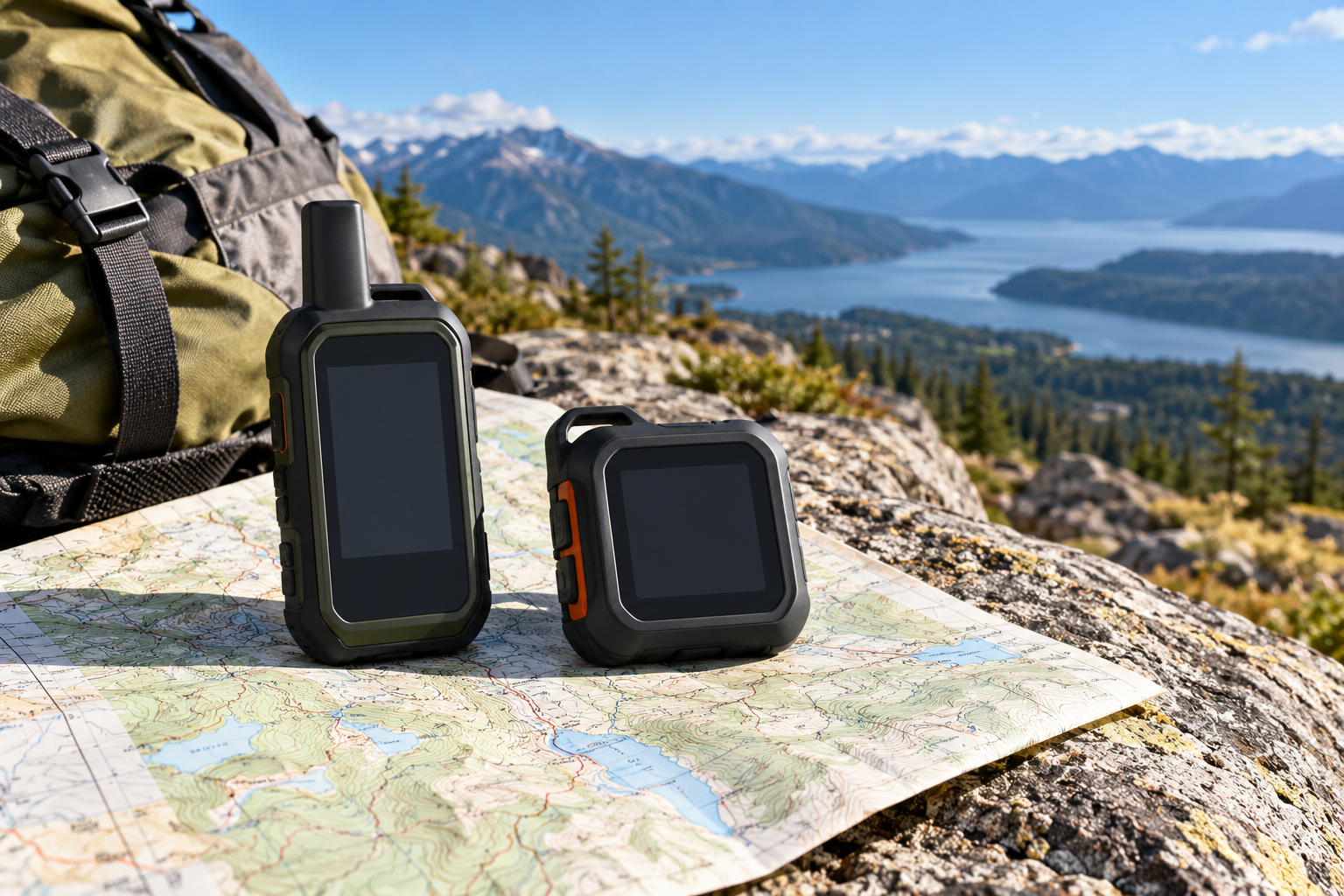
Quick verdict: Choose Mini 2 when its tall, narrow form and on-device layout suit your kit. Choose the original Messenger when its flatter body and longer listed battery endurance fit your messaging routine. Compare ongoing service costs as well as hardware; both have TracBack.
Research-based buying guide; no hands-on testing is claimed. As an Amazon Associate, Time to Get Outside earns from qualifying purchases.
| Decision | How the options compare |
|---|---|
| Listed device weight | inReach Mini 2: 100 g Original inReach Messenger: 113.9 g |
| Form | inReach Mini 2: Tall and narrow Original inReach Messenger: Wider, flatter body |
| Navigation check | inReach Mini 2: TracBack available Original inReach Messenger: TracBack also available |
| Satellite service | inReach Mini 2: Eligible active subscription required Original inReach Messenger: Eligible active subscription required |
Choose the device layout you will use
Mini 2 and the original Messenger both belong to Garmin’s inReach satellite-communication range, but their bodies and displays differ. Mini 2 is tall and narrow, while Messenger is wider and flatter. Think about where the device will be carried, which controls you can comfortably operate and how you intend to use a paired phone.
This comparison is specifically about Mini 2 and the original Messenger, not Messenger Plus or another generation. Verify the exact name and package in the seller’s listing. A sale on a different device can change the features, battery claims and accessories enough to make a simple price comparison misleading.
TracBack is not exclusive to Mini 2
Garmin’s current manuals describe TracBack on both compared devices. Do not buy Mini 2 on the assumption that Messenger lacks this function. Instead, read the relevant manual and compare how the display and controls present the features you expect to use.
Neither purchase should be treated as a substitute for route planning and a suitable navigation approach. If mapping is an important requirement, investigate the exact mapping and app arrangement separately rather than inferring it from a satellite messenger’s appearance. A messaging-focused device and a full mapping handheld are different buying decisions.
Read battery claims with their conditions
Garmin’s comparison lists up to 14 days for Mini 2 at a 10-minute tracking-send interval with standard activity recording and full sky view. It lists up to 28 days for Messenger with a message or location sent every 10 minutes and full sky view. These are conditional manufacturer figures, not field measurements from this guide.
Tree cover, settings and how the device is used change the planning picture, and the source table provides other scenarios. Do not simply read the largest number and assume it applies to every route. Compare the manufacturer’s stated conditions with your intended routine and charging opportunities.
The service plan belongs in the price
Satellite features require an eligible active subscription and the necessary device setup. Compare the current Canadian service terms for your intended use, including the relevant allowance and any applicable activation or other charges. A lower hardware price does not by itself establish a lower complete ownership cost.
My recommendation is Mini 2 when its narrow body and interface suit you, and Messenger when its form and listed endurance better fit the communication job. If a functioning compatible device already meets your needs, a different shape alone may not justify replacement. Check exact model, current plan terms and intended feature use before deciding which total purchase is better value.
Compare current U.S. and Canadian listings
These buttons open product searches, not guaranteed stock or fixed prices. Match the exact model, size, included accessories and seller before ordering. Canadian shoppers should compare the final cost in Canadian dollars, including any shipping or import charges.
Related buying guides
- Best Satellite Communicators for Hiking and Remote Travel
- Garmin inReach Messenger vs Messenger Plus: Are Photos and Voice Messages Worth More?
- ZOLEO vs Garmin inReach Messenger: Which Satellite Messaging Setup Fits Your Trips?
Sources and research notes
Specifications and guidance checked October 16, 2026. Recommendations are editorial judgments based on the cited details and use cases; they are not independent performance measurements.