Waterproof Boot Bag vs Breathable Shoe Bag After Wet Hikes

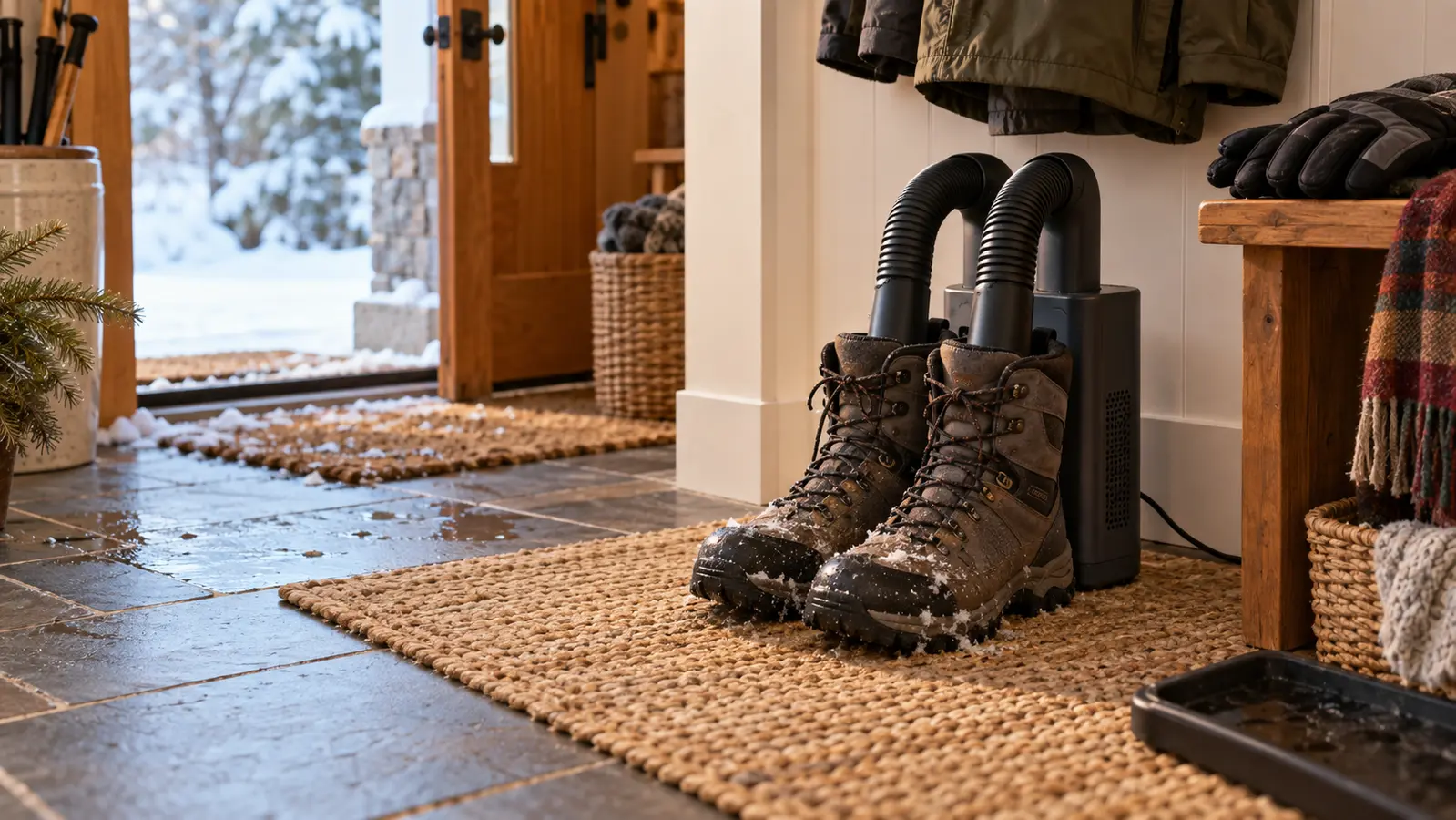
Wet winter hiking boots drying in a warm mudroom

Quick verdict: Choose a wipe-clean waterproof carrier for the drive home, then let shoes dry outside the bag; breathable storage is better for dry footwear.

The best purchase is the one that solves a real problem on your trips. Instead of choosing gear by popularity or a long list of features, compare how each option behaves when you are packing, using and cleaning it.

The practical difference

Waterproof linings help keep mud off car upholstery. Mesh ventilation helps odor and lingering moisture escape during storage.

Pay attention to handling when tired, wearing gloves or carrying other equipment. Check packed size, cleaning instructions, materials and whether the item fits what you already own. A compact option is not automatically convenient if it takes longer to set up.

Which option fits your kind of trip?

Keep a separate towel in the vehicle, empty standing water and remove insoles when the shoe maker recommends it.

For short day trips you can often repurpose something already at home. Multi-night camping and frequent use make organization and durable construction more valuable. Prioritize safe, comfortable basics ahead of extra accessories.

Important limitations

A tightly sealed boot bag can trap moisture and make odors worse. A mesh shoe bag can leak mud and dirty water onto the trunk floor.

A basic dedicated plastic tub may be cheaper than either bag. Match the container to how often you transport dirty shoes.

Check product descriptions carefully: retailers may group multiple sizes, materials or accessories on one page. Verify the specific variation before ordering, and consider return terms if fit and compatibility are uncertain.

Who should buy it—and who can skip it?

Buy if: you repeatedly face the problem described above, need predictable performance and have room for the item.

Skip if: your current solution is reliable or you would carry the accessory only once or twice per year.

Before you spend

  • Measure the storage space and check the item’s actual dimensions.
  • Read independent user feedback for repeated durability problems.
  • Confirm material care requirements and any compatibility restrictions.
  • Compare Canadian and U.S. listings separately; prices and availability vary.
  • Keep the simpler option when an upgrade adds no meaningful improvement.

Final buying recommendation

Choose a wipe-clean waterproof carrier for the drive home, then let shoes dry outside the bag; breathable storage is better for dry footwear. Start with your normal trip, not the biggest advertised feature set. A modest purchase that you consistently use beats a more expensive accessory left in the closet.

Affiliate disclosure: As an Amazon Associate, qualifying purchases may earn a commission at no additional cost to you. These links lead to search results for comparing currently available options; no first-hand testing is implied.

Shop Amazon USShop Amazon Canada

Waterproof Boot Bag vs Breathable Shoe Bag After Wet Hikes Read More »
Camping Pot Gripper vs Integrated Folding Handles

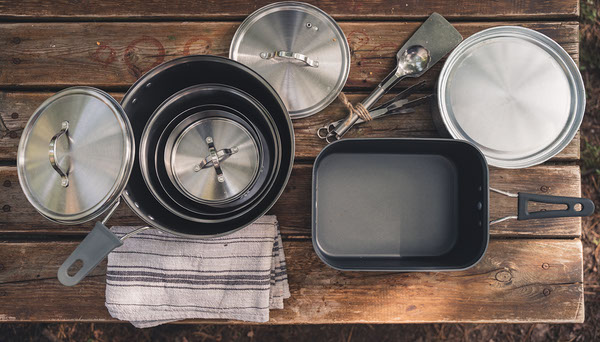
Stainless and aluminum camp cooking pots

Quick verdict: Integrated handles are simplest for occasional camp cooking; detachable pot grippers save space when several compatible pots share one tool.

The best purchase is the one that solves a real problem on your trips. Instead of choosing gear by popularity or a long list of features, compare how each option behaves when you are packing, using and cleaning it.

The practical difference

The gripper must fit the rim securely and can be misplaced. Folding handles stay with the pot but can become hot or loosen with wear.

Pay attention to handling when tired, wearing gloves or carrying other equipment. Check packed size, cleaning instructions, materials and whether the item fits what you already own. A compact option is not automatically convenient if it takes longer to set up.

Which option fits your kind of trip?

For a family camp kitchen, test whether a gloved hand comfortably manages a full hot pot. Keep hot cookware off unstable tables.

For short day trips you can often repurpose something already at home. Multi-night camping and frequent use make organization and durable construction more valuable. Prioritize safe, comfortable basics ahead of extra accessories.

Important limitations

Metal grippers can damage coatings or slip if mismatched. Folding handles may protrude into crowded cookware bags.

Do not replace functional cookware just for a different handle system. Upgrade when storage or safe lifting is a recurring frustration.

Check product descriptions carefully: retailers may group multiple sizes, materials or accessories on one page. Verify the specific variation before ordering, and consider return terms if fit and compatibility are uncertain.

Who should buy it—and who can skip it?

Buy if: you repeatedly face the problem described above, need predictable performance and have room for the item.

Skip if: your current solution is reliable or you would carry the accessory only once or twice per year.

Before you spend

  • Measure the storage space and check the item’s actual dimensions.
  • Read independent user feedback for repeated durability problems.
  • Confirm material care requirements and any compatibility restrictions.
  • Compare Canadian and U.S. listings separately; prices and availability vary.
  • Keep the simpler option when an upgrade adds no meaningful improvement.

Final buying recommendation

Integrated handles are simplest for occasional camp cooking; detachable pot grippers save space when several compatible pots share one tool. Start with your normal trip, not the biggest advertised feature set. A modest purchase that you consistently use beats a more expensive accessory left in the closet.

Affiliate disclosure: As an Amazon Associate, qualifying purchases may earn a commission at no additional cost to you. These links lead to search results for comparing currently available options; no first-hand testing is implied.

Shop Amazon USShop Amazon Canada

Camping Pot Gripper vs Integrated Folding Handles Read More »

Camping Shoe Tray vs Outdoor Mat for Muddy Footwear

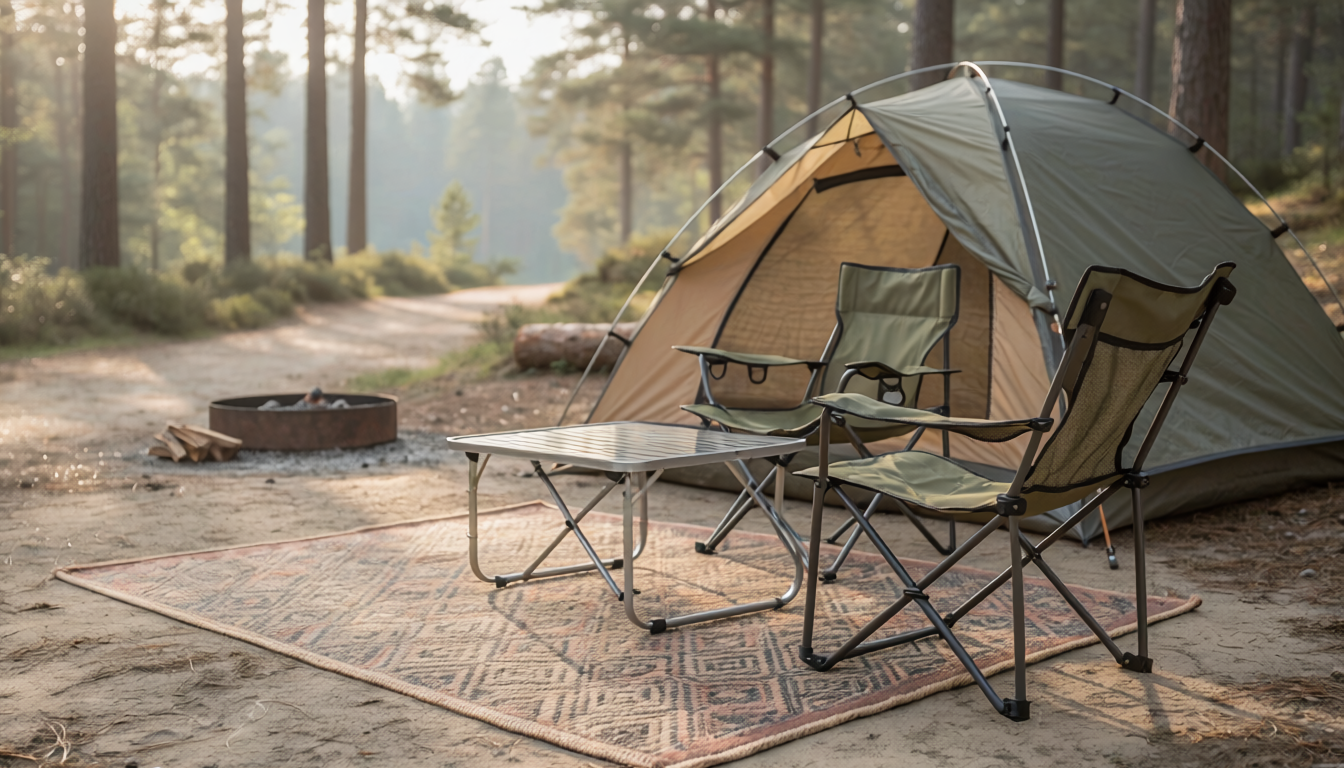
Large woven outdoor camping rug under chairs beside a tent

Quick verdict: A washable tray contains wet grit and puddles better; a mat is easier to roll and pack for a small tent.

The best purchase is the one that solves a real problem on your trips. Instead of choosing gear by popularity or a long list of features, compare how each option behaves when you are packing, using and cleaning it.

The practical difference

A tray has raised edges to hold mud and melting snow. A textured mat scrapes soles and can improve traction at the doorway but may let water run through.

Pay attention to handling when tired, wearing gloves or carrying other equipment. Check packed size, cleaning instructions, materials and whether the item fits what you already own. A compact option is not automatically convenient if it takes longer to set up.

Which option fits your kind of trip?

Place either outside the sleeping area; keep muddy footwear away from bedding and food. Some campgrounds have leave-no-trace rules about draining wash water.

For short day trips you can often repurpose something already at home. Multi-night camping and frequent use make organization and durable construction more valuable. Prioritize safe, comfortable basics ahead of extra accessories.

Important limitations

A rigid tray is inconvenient on backpacking trips and may crack under packed gear. A light mat is less messy to transport but needs drying.

Car campers in wet shoulder seasons benefit most from the tray. Lightweight hikers can often use a spare groundsheet or small cloth.

Check product descriptions carefully: retailers may group multiple sizes, materials or accessories on one page. Verify the specific variation before ordering, and consider return terms if fit and compatibility are uncertain.

Who should buy it—and who can skip it?

Buy if: you repeatedly face the problem described above, need predictable performance and have room for the item.

Skip if: your current solution is reliable or you would carry the accessory only once or twice per year.

Before you spend

  • Measure the storage space and check the item’s actual dimensions.
  • Read independent user feedback for repeated durability problems.
  • Confirm material care requirements and any compatibility restrictions.
  • Compare Canadian and U.S. listings separately; prices and availability vary.
  • Keep the simpler option when an upgrade adds no meaningful improvement.

Final buying recommendation

A washable tray contains wet grit and puddles better; a mat is easier to roll and pack for a small tent. Start with your normal trip, not the biggest advertised feature set. A modest purchase that you consistently use beats a more expensive accessory left in the closet.

Affiliate disclosure: As an Amazon Associate, qualifying purchases may earn a commission at no additional cost to you. These links lead to search results for comparing currently available options; no first-hand testing is implied.

Shop Amazon USShop Amazon Canada

Camping Shoe Tray vs Outdoor Mat for Muddy Footwear Read More »

Picnic Food Covers vs Lidded Containers: What Stops Bugs Better?

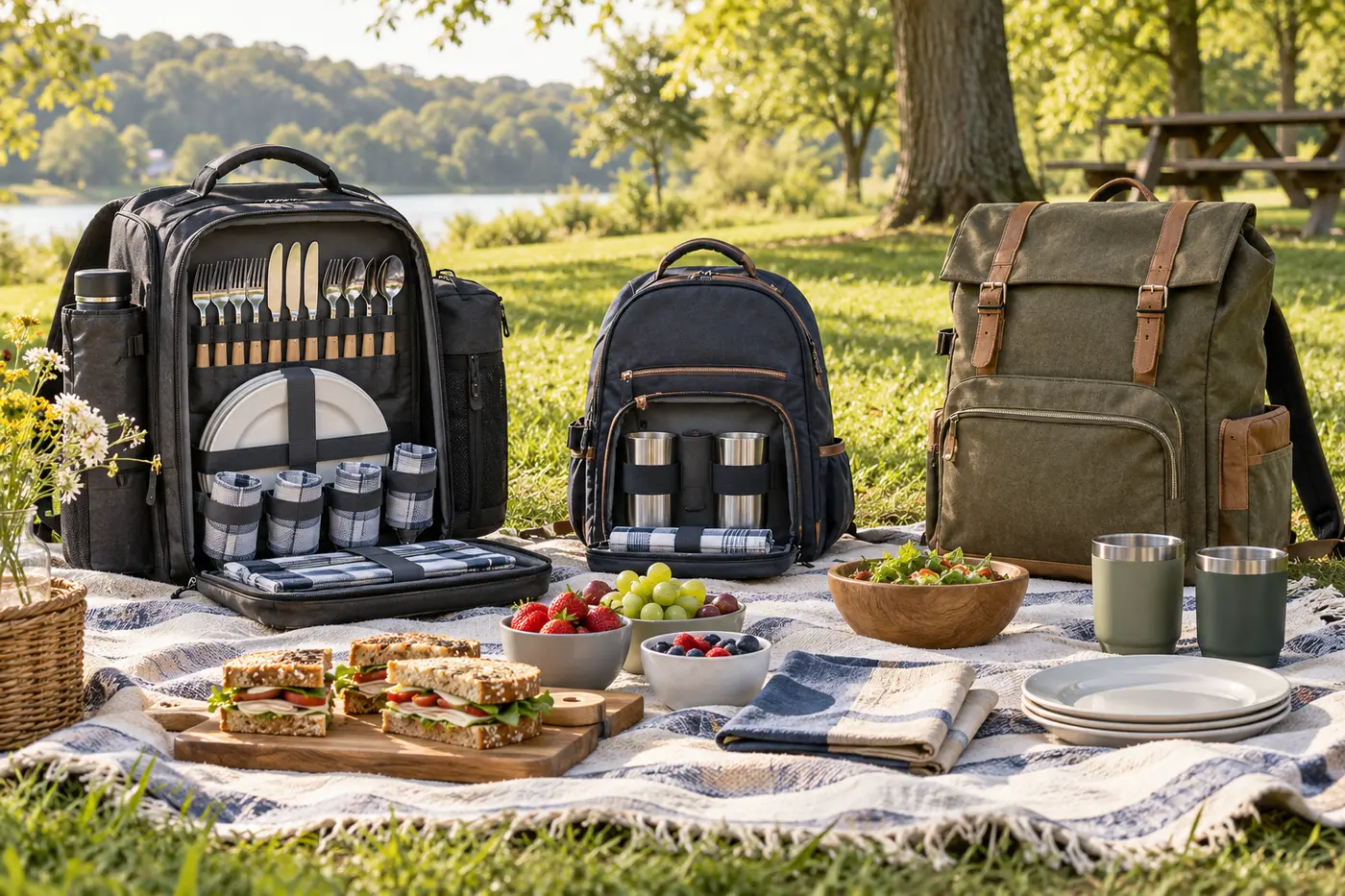
Insulated picnic backpacks with reusable tableware and food arranged on a park picnic blanket

Quick verdict: Lidded containers are the better all-round buy for transport and food hygiene; mesh covers are handy for serving prepared dishes outdoors.

The best purchase is the one that solves a real problem on your trips. Instead of choosing gear by popularity or a long list of features, compare how each option behaves when you are packing, using and cleaning it.

The practical difference

A dome-style mesh cover lets guests reach food without removing a lid from every plate. A sealed container prevents spills during transit and offers a more dependable barrier when closed.

Pay attention to handling when tired, wearing gloves or carrying other equipment. Check packed size, cleaning instructions, materials and whether the item fits what you already own. A compact option is not automatically convenient if it takes longer to set up.

Which option fits your kind of trip?

At parks with flies or wasps, uncover only the dish being served and close containers promptly. Keep perishable food at safe temperatures with a suitable cooler.

For short day trips you can often repurpose something already at home. Multi-night camping and frequent use make organization and durable construction more valuable. Prioritize safe, comfortable basics ahead of extra accessories.

Important limitations

Mesh is not an airtight barrier and may blow over in gusts. Lids are less convenient for shared grazing but travel far more securely.

For a once-a-year picnic, use existing containers. Consider mesh covers for regular backyard buffets where serving convenience matters.

Check product descriptions carefully: retailers may group multiple sizes, materials or accessories on one page. Verify the specific variation before ordering, and consider return terms if fit and compatibility are uncertain.

Who should buy it—and who can skip it?

Buy if: you repeatedly face the problem described above, need predictable performance and have room for the item.

Skip if: your current solution is reliable or you would carry the accessory only once or twice per year.

Before you spend

  • Measure the storage space and check the item’s actual dimensions.
  • Read independent user feedback for repeated durability problems.
  • Confirm material care requirements and any compatibility restrictions.
  • Compare Canadian and U.S. listings separately; prices and availability vary.
  • Keep the simpler option when an upgrade adds no meaningful improvement.

Final buying recommendation

Lidded containers are the better all-round buy for transport and food hygiene; mesh covers are handy for serving prepared dishes outdoors. Start with your normal trip, not the biggest advertised feature set. A modest purchase that you consistently use beats a more expensive accessory left in the closet.

Affiliate disclosure: As an Amazon Associate, qualifying purchases may earn a commission at no additional cost to you. These links lead to search results for comparing currently available options; no first-hand testing is implied.

Shop Amazon USShop Amazon Canada

Picnic Food Covers vs Lidded Containers: What Stops Bugs Better? Read More »

Camp Kettle vs Cooking Pot for Boiling Water Outdoors

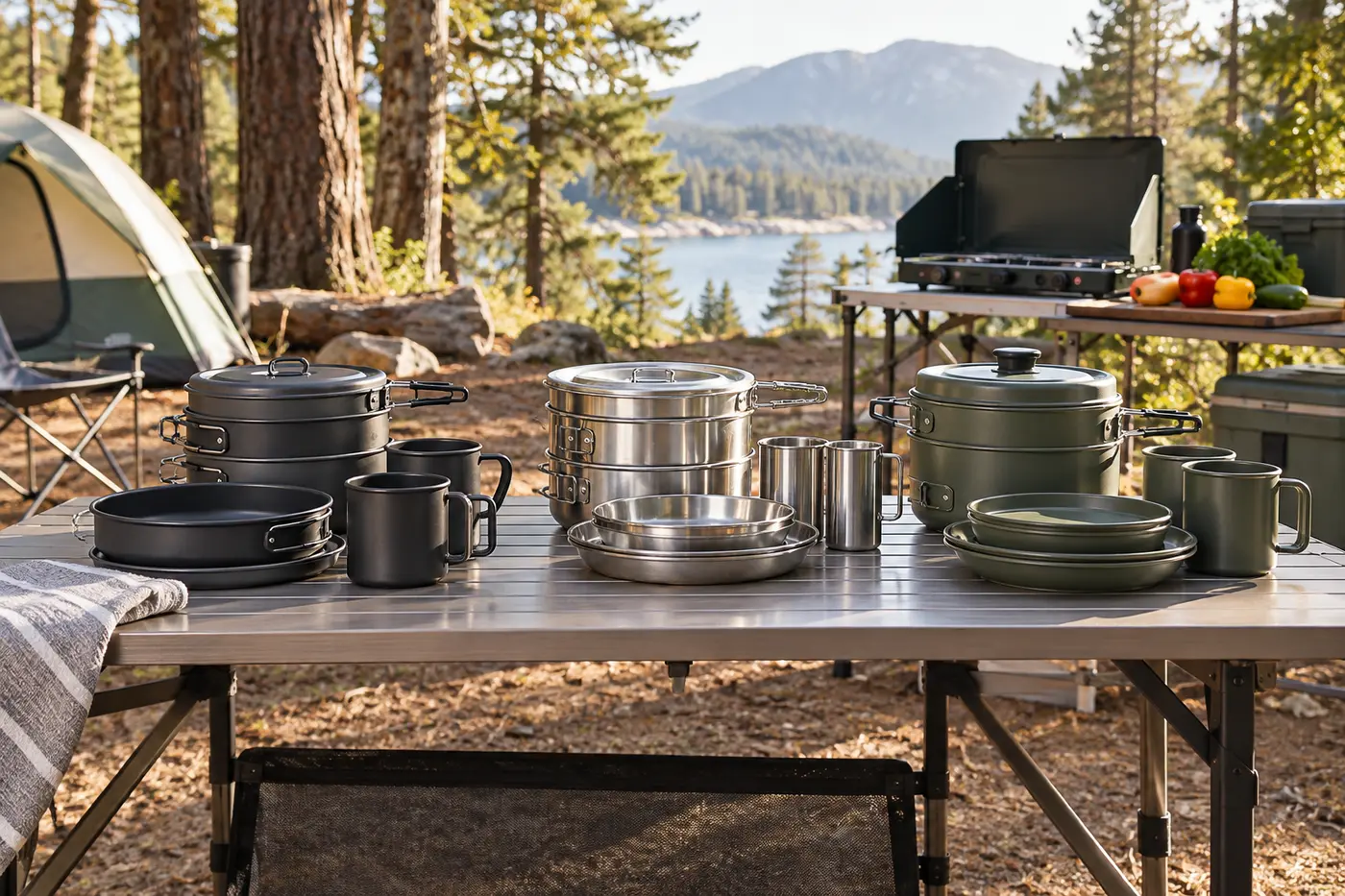
Nesting camp cookware sets with pots, pans, plates and mugs arranged on a campsite table

Quick verdict: A regular cooking pot is the smarter one-item choice; buy a dedicated kettle when you boil water repeatedly for a group.

The best purchase is the one that solves a real problem on your trips. Instead of choosing gear by popularity or a long list of features, compare how each option behaves when you are packing, using and cleaning it.

The practical difference

A kettle pours more neatly into mugs and dehydrated meals. A pot can boil water, heat soup and cook pasta, so it earns its space in a small kit.

Pay attention to handling when tired, wearing gloves or carrying other equipment. Check packed size, cleaning instructions, materials and whether the item fits what you already own. A compact option is not automatically convenient if it takes longer to set up.

Which option fits your kind of trip?

If tea and coffee are the main event at a family campsite, a wide-base kettle with a secure handle may simplify mornings. On a solo overnight, use the pot you already own.

For short day trips you can often repurpose something already at home. Multi-night camping and frequent use make organization and durable construction more valuable. Prioritize safe, comfortable basics ahead of extra accessories.

Important limitations

Confirm the kettle or pot is compatible with your exact stove and fuel setup. Follow stove clearance rules, and never operate fuel-burning equipment inside a tent.

Kettles take storage space but do not add much cooking versatility. Pot handles and pouring lips can be awkward with hot water, so practice safely at home.

Check product descriptions carefully: retailers may group multiple sizes, materials or accessories on one page. Verify the specific variation before ordering, and consider return terms if fit and compatibility are uncertain.

Who should buy it—and who can skip it?

Buy if: you repeatedly face the problem described above, need predictable performance and have room for the item.

Skip if: your current solution is reliable or you would carry the accessory only once or twice per year.

Before you spend

  • Measure the storage space and check the item’s actual dimensions.
  • Read independent user feedback for repeated durability problems.
  • Confirm material care requirements and any compatibility restrictions.
  • Compare Canadian and U.S. listings separately; prices and availability vary.
  • Keep the simpler option when an upgrade adds no meaningful improvement.

Final buying recommendation

A regular cooking pot is the smarter one-item choice; buy a dedicated kettle when you boil water repeatedly for a group. Start with your normal trip, not the biggest advertised feature set. A modest purchase that you consistently use beats a more expensive accessory left in the closet.

Affiliate disclosure: As an Amazon Associate, qualifying purchases may earn a commission at no additional cost to you. These links lead to search results for comparing currently available options; no first-hand testing is implied.

Shop Amazon USShop Amazon Canada

Camp Kettle vs Cooking Pot for Boiling Water Outdoors Read More »

Water Filter Bottle vs Squeeze Filter for Day Hiking

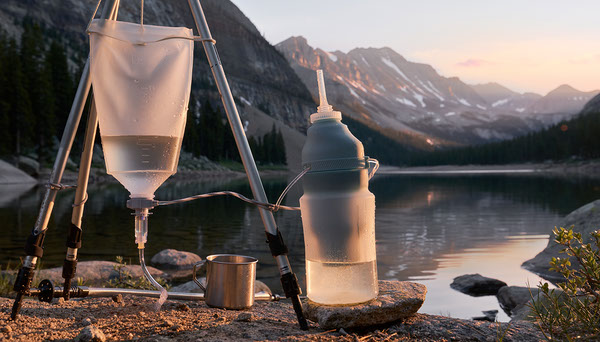
Gravity water filter bag and squeeze filter by lake

Quick verdict: Choose a filter bottle for straightforward drink-as-you-go use; a squeeze filter is more flexible for filtering water into other containers.

Choosing outdoor gear is easier when you start with the trip rather than the product listing. Consider weather, how often you will use the item, how much you must carry, and whether a simpler piece of equipment already does the job.

What changes in actual use?

A filter’s claims depend on what it is certified or tested to remove. Many trail filters target bacteria and protozoa, not viruses or chemical contamination.

Before buying, imagine packing, using, cleaning and storing the item. A feature that looks impressive online can become an annoyance on a muddy trail or at a busy campsite. Compare the dimensions when packed, rather than product photos alone.

What I would choose for a real trip

Squeeze filters can slow when silty water blocks their media. Bottle filters may require more effort to drink through and can be hard to share.

For a short local outing, favor the simple setup you already know. For a longer or more remote trip, redundancy, durability and ease of repair can matter more than saving a little money. Follow local park rules and official safety guidance when conditions are consequential.

When is the upgrade worth paying for?

Check replacement cartridge availability, care instructions and freeze sensitivity before buying. A frozen wet hollow-fiber filter may be damaged without visible warning.

It is worth comparing the manufacturer’s care instructions, materials, measured size and warranty information on the exact listing. Prices and included accessories change, and products that look alike are not always equivalent.

Drawbacks and reasons to skip

On uncertain water sources, follow local guidance and use appropriate treatment; neither filter style makes every water source safe.

If the cheaper option already solves your normal problem reliably, keep the money for footwear, weather protection or another essential. No piece of convenience gear can make up for insufficient trip planning.

Who should buy—and who should skip?

Buy: Someone who encounters this specific problem regularly and wants a more convenient, durable solution.

Skip: Occasional users whose current gear works, or anyone buying solely because a product has a long feature list.

Buying checklist

  • Confirm the actual product dimensions and packed size, not just the marketing photo.
  • Review materials, closure or fastening quality, and cleaning requirements.
  • Check compatibility with your existing gear and local conditions.
  • Look for recurring complaints in independent reviews, especially around durability.
  • Compare total price, returns and warranty in your own country.

Final verdict

Choose a filter bottle for straightforward drink-as-you-go use; a squeeze filter is more flexible for filtering water into other containers. Start with the lowest-cost option that reliably addresses your real use case; upgrade only when a specific limitation is holding you back.

Shopping note: These are search links to compare available options, not claims of hands-on product testing. As an Amazon Associate, qualifying purchases may earn a commission at no additional cost to you.

Shop on Amazon USShop on Amazon Canada

Water Filter Bottle vs Squeeze Filter for Day Hiking Read More »

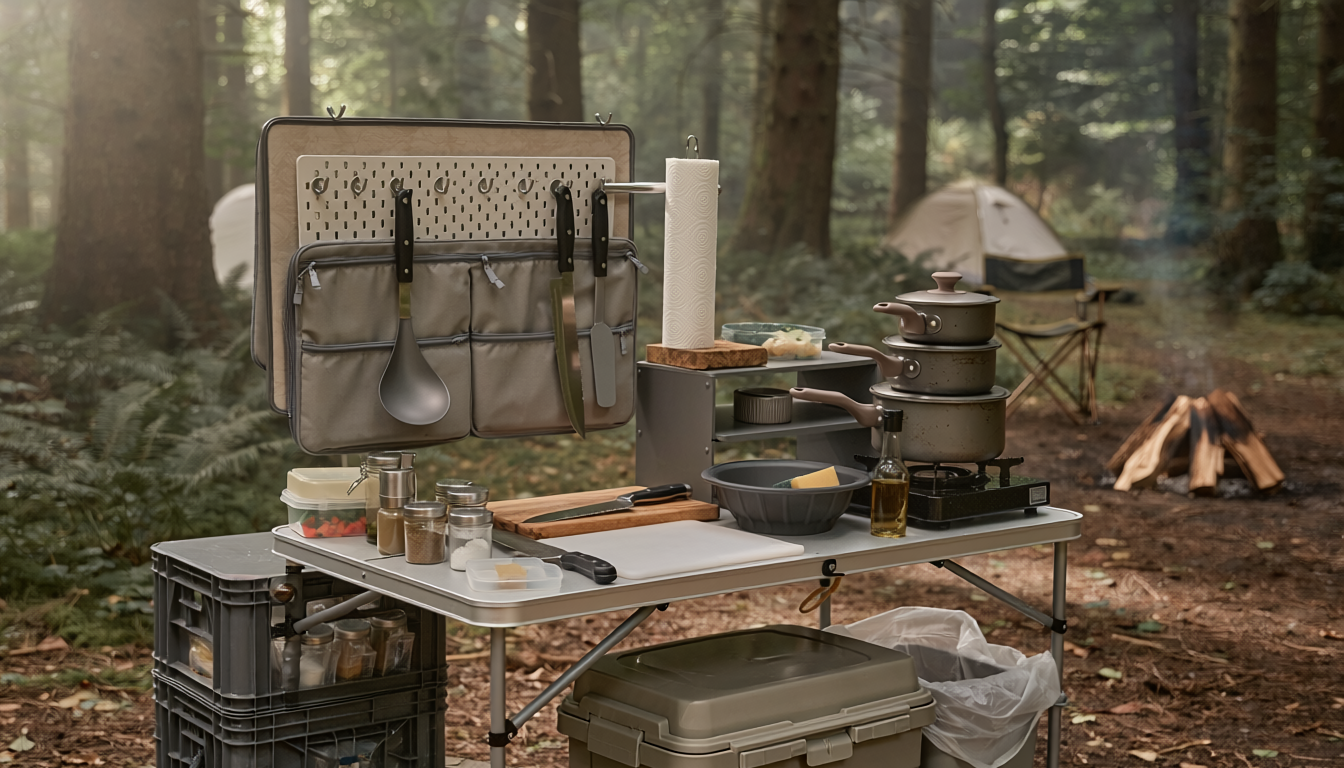
Camping Storage Bin vs Hanging Organizer for Car Camping

Organized portable camp kitchen station at a forest campsite

Quick verdict: Use a lidded bin for transport and weather protection; use a hanging organizer for quick access once camp is set up.

Choosing outdoor gear is easier when you start with the trip rather than the product listing. Consider weather, how often you will use the item, how much you must carry, and whether a simpler piece of equipment already does the job.

What changes in actual use?

Rigid bins stack well in a vehicle and stop utensils roaming through the trunk. A hanging organizer frees table space but needs a secure attachment.

Before buying, imagine packing, using, cleaning and storing the item. A feature that looks impressive online can become an annoyance on a muddy trail or at a busy campsite. Compare the dimensions when packed, rather than product photos alone.

What I would choose for a real trip

Wet shoes, soap and cooking tools should be separated from clean food and sleeping gear whatever system you choose.

For a short local outing, favor the simple setup you already know. For a longer or more remote trip, redundancy, durability and ease of repair can matter more than saving a little money. Follow local park rules and official safety guidance when conditions are consequential.

When is the upgrade worth paying for?

An organizer is a worthwhile extra for family camps or several nights in one place. Short overnight stays rarely justify more unpacking.

It is worth comparing the manufacturer’s care instructions, materials, measured size and warranty information on the exact listing. Prices and included accessories change, and products that look alike are not always equivalent.

Drawbacks and reasons to skip

Check vehicle dimensions and packed weight. Hanging pockets are not rodent-proof or weatherproof food storage.

If the cheaper option already solves your normal problem reliably, keep the money for footwear, weather protection or another essential. No piece of convenience gear can make up for insufficient trip planning.

Who should buy—and who should skip?

Buy: Someone who encounters this specific problem regularly and wants a more convenient, durable solution.

Skip: Occasional users whose current gear works, or anyone buying solely because a product has a long feature list.

Buying checklist

  • Confirm the actual product dimensions and packed size, not just the marketing photo.
  • Review materials, closure or fastening quality, and cleaning requirements.
  • Check compatibility with your existing gear and local conditions.
  • Look for recurring complaints in independent reviews, especially around durability.
  • Compare total price, returns and warranty in your own country.

Final verdict

Use a lidded bin for transport and weather protection; use a hanging organizer for quick access once camp is set up. Start with the lowest-cost option that reliably addresses your real use case; upgrade only when a specific limitation is holding you back.

Shopping note: These are search links to compare available options, not claims of hands-on product testing. As an Amazon Associate, qualifying purchases may earn a commission at no additional cost to you.

Shop on Amazon USShop on Amazon Canada

Camping Storage Bin vs Hanging Organizer for Car Camping Read More »

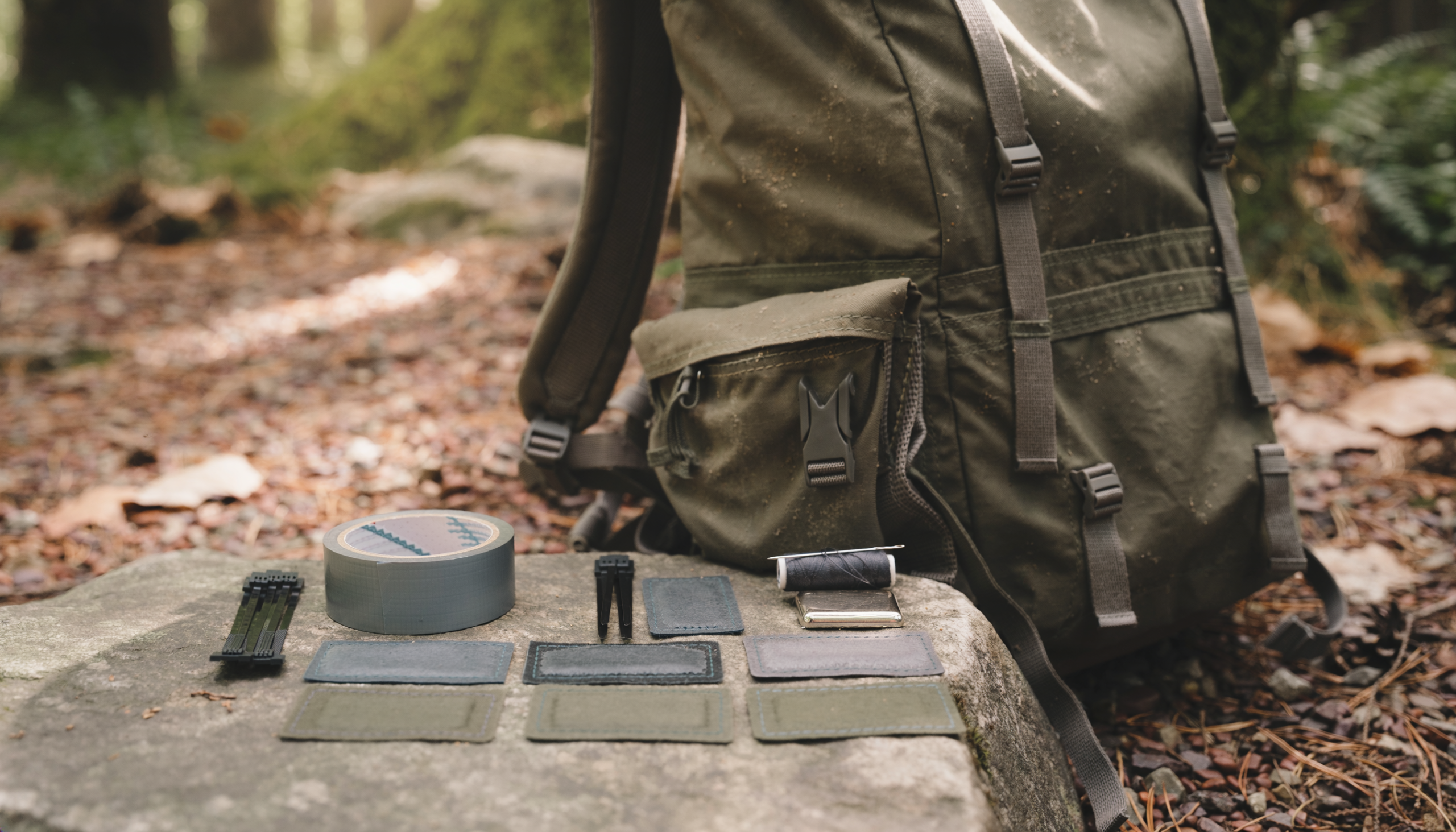
Tent Repair Tape vs Fabric Patch Kit: Which Fix Works Better?

Camping repair kit and duct tape on table

Quick verdict: Repair tape is the fastest field fix for a small fabric tear; a compatible patch kit is better for a durable repair planned at home.

Choosing outdoor gear is easier when you start with the trip rather than the product listing. Consider weather, how often you will use the item, how much you must carry, and whether a simpler piece of equipment already does the job.

What changes in actual use?

Clean and dry the surface before applying either option. Rounded patch corners are less likely to lift than sharp ones.

Before buying, imagine packing, using, cleaning and storing the item. A feature that looks impressive online can become an annoyance on a muddy trail or at a busy campsite. Compare the dimensions when packed, rather than product photos alone.

What I would choose for a real trip

Material matters: silicone-coated fabrics often require different adhesives from polyurethane-coated nylon or polyester.

For a short local outing, favor the simple setup you already know. For a longer or more remote trip, redundancy, durability and ease of repair can matter more than saving a little money. Follow local park rules and official safety guidance when conditions are consequential.

When is the upgrade worth paying for?

Tape can peel at high-stress points, and neither option fixes a failed pole, large seam separation or structurally damaged fabric.

It is worth comparing the manufacturer’s care instructions, materials, measured size and warranty information on the exact listing. Prices and included accessories change, and products that look alike are not always equivalent.

Drawbacks and reasons to skip

Carry tape for emergencies; buy a proper matched patch kit if you own an expensive tent and need a lasting fix.

If the cheaper option already solves your normal problem reliably, keep the money for footwear, weather protection or another essential. No piece of convenience gear can make up for insufficient trip planning.

Who should buy—and who should skip?

Buy: Someone who encounters this specific problem regularly and wants a more convenient, durable solution.

Skip: Occasional users whose current gear works, or anyone buying solely because a product has a long feature list.

Buying checklist

  • Confirm the actual product dimensions and packed size, not just the marketing photo.
  • Review materials, closure or fastening quality, and cleaning requirements.
  • Check compatibility with your existing gear and local conditions.
  • Look for recurring complaints in independent reviews, especially around durability.
  • Compare total price, returns and warranty in your own country.

Final verdict

Repair tape is the fastest field fix for a small fabric tear; a compatible patch kit is better for a durable repair planned at home. Start with the lowest-cost option that reliably addresses your real use case; upgrade only when a specific limitation is holding you back.

Shopping note: These are search links to compare available options, not claims of hands-on product testing. As an Amazon Associate, qualifying purchases may earn a commission at no additional cost to you.

Shop on Amazon USShop on Amazon Canada

Tent Repair Tape vs Fabric Patch Kit: Which Fix Works Better? Read More »

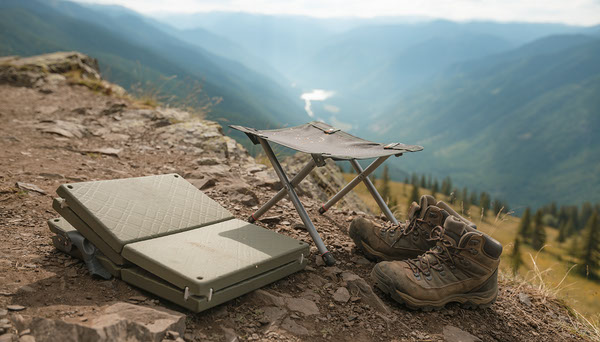
Foam Sit Pad vs Folding Camp Stool for Day Hikes

Foldable foam seat and portable stool near hiking trail

Quick verdict: Choose a foam pad for lightweight trails; a folding stool is a comfort upgrade when you expect long stops on level ground.

Choosing outdoor gear is easier when you start with the trip rather than the product listing. Consider weather, how often you will use the item, how much you must carry, and whether a simpler piece of equipment already does the job.

What changes in actual use?

A foam pad weighs little, insulates you from cold rocks and can be strapped outside a pack. It does not lift you off the ground.

Before buying, imagine packing, using, cleaning and storing the item. A feature that looks impressive online can become an annoyance on a muddy trail or at a busy campsite. Compare the dimensions when packed, rather than product photos alone.

What I would choose for a real trip

A stool helps with knee comfort at a picnic or event, but poles, joints and feet add bulk and can sink into soft ground.

For a short local outing, favor the simple setup you already know. For a longer or more remote trip, redundancy, durability and ease of repair can matter more than saving a little money. Follow local park rules and official safety guidance when conditions are consequential.

When is the upgrade worth paying for?

Look at the packed length and listed weight capacity, and test stability on the surfaces where you will actually use it.

It is worth comparing the manufacturer’s care instructions, materials, measured size and warranty information on the exact listing. Prices and included accessories change, and products that look alike are not always equivalent.

Drawbacks and reasons to skip

Skip the stool for steep routes or ultralight walks. Skip the pad if getting down to and up from ground level is difficult.

If the cheaper option already solves your normal problem reliably, keep the money for footwear, weather protection or another essential. No piece of convenience gear can make up for insufficient trip planning.

Who should buy—and who should skip?

Buy: Someone who encounters this specific problem regularly and wants a more convenient, durable solution.

Skip: Occasional users whose current gear works, or anyone buying solely because a product has a long feature list.

Buying checklist

  • Confirm the actual product dimensions and packed size, not just the marketing photo.
  • Review materials, closure or fastening quality, and cleaning requirements.
  • Check compatibility with your existing gear and local conditions.
  • Look for recurring complaints in independent reviews, especially around durability.
  • Compare total price, returns and warranty in your own country.

Final verdict

Choose a foam pad for lightweight trails; a folding stool is a comfort upgrade when you expect long stops on level ground. Start with the lowest-cost option that reliably addresses your real use case; upgrade only when a specific limitation is holding you back.

Shopping note: These are search links to compare available options, not claims of hands-on product testing. As an Amazon Associate, qualifying purchases may earn a commission at no additional cost to you.

Shop on Amazon USShop on Amazon Canada

Foam Sit Pad vs Folding Camp Stool for Day Hikes Read More »

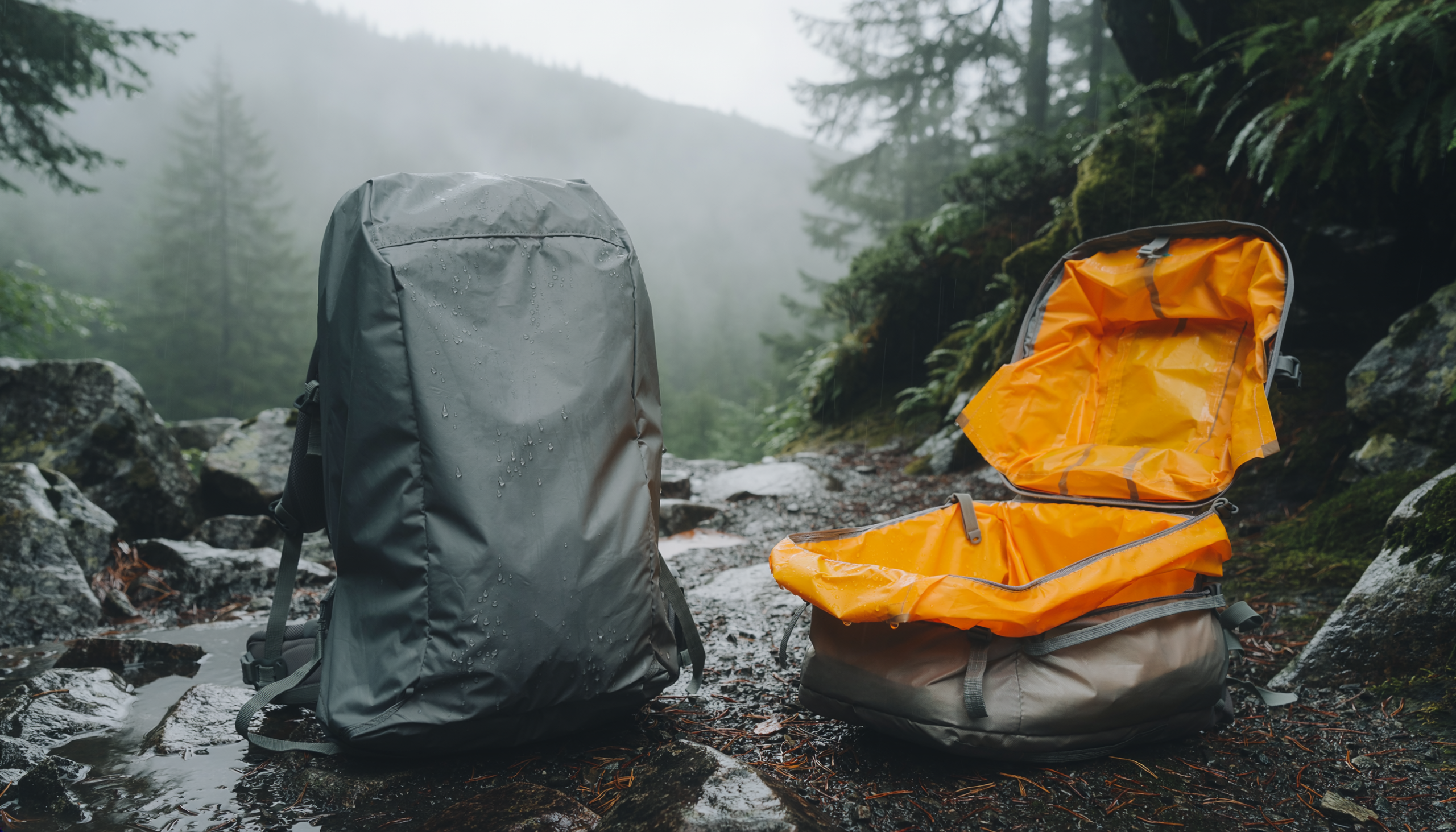
Dry Bag vs Waterproof Backpack Liner: Which Keeps Hiking Gear Drier?

Rain cover compared with waterproof backpack liner

Quick verdict: A pack liner is the better first purchase for most rainy hikes; a dry bag adds protection and organization for individual essentials.

Choosing outdoor gear is easier when you start with the trip rather than the product listing. Consider weather, how often you will use the item, how much you must carry, and whether a simpler piece of equipment already does the job.

What changes in actual use?

A liner shields the main compartment with fewer seams and closures, while a roll-top dry bag groups clothing or electronics separately.

Before buying, imagine packing, using, cleaning and storing the item. A feature that looks impressive online can become an annoyance on a muddy trail or at a busy campsite. Compare the dimensions when packed, rather than product photos alone.

What I would choose for a real trip

For repeated rain, line the backpack before loading it and seal the liner above the contents. For river travel, use purpose-rated waterproof storage, not an ordinary hiking sack.

For a short local outing, favor the simple setup you already know. For a longer or more remote trip, redundancy, durability and ease of repair can matter more than saving a little money. Follow local park rules and official safety guidance when conditions are consequential.

When is the upgrade worth paying for?

A dry bag is worth the extra money when several items need separate protection or you frequently access wet and dry gear.

It is worth comparing the manufacturer’s care instructions, materials, measured size and warranty information on the exact listing. Prices and included accessories change, and products that look alike are not always equivalent.

Drawbacks and reasons to skip

A bag marketed as water-resistant may leak during submersion. Inspect seams and roll closures; do not assume a low-cost dry bag protects an unbacked-up phone.

If the cheaper option already solves your normal problem reliably, keep the money for footwear, weather protection or another essential. No piece of convenience gear can make up for insufficient trip planning.

Who should buy—and who should skip?

Buy: Someone who encounters this specific problem regularly and wants a more convenient, durable solution.

Skip: Occasional users whose current gear works, or anyone buying solely because a product has a long feature list.

Buying checklist

  • Confirm the actual product dimensions and packed size, not just the marketing photo.
  • Review materials, closure or fastening quality, and cleaning requirements.
  • Check compatibility with your existing gear and local conditions.
  • Look for recurring complaints in independent reviews, especially around durability.
  • Compare total price, returns and warranty in your own country.

Final verdict

A pack liner is the better first purchase for most rainy hikes; a dry bag adds protection and organization for individual essentials. Start with the lowest-cost option that reliably addresses your real use case; upgrade only when a specific limitation is holding you back.

Shopping note: These are search links to compare available options, not claims of hands-on product testing. As an Amazon Associate, qualifying purchases may earn a commission at no additional cost to you.

Shop on Amazon USShop on Amazon Canada

Dry Bag vs Waterproof Backpack Liner: Which Keeps Hiking Gear Drier? Read More »