Camping Chair Carry Bag vs Shoulder Strap: Which Travels Easier?

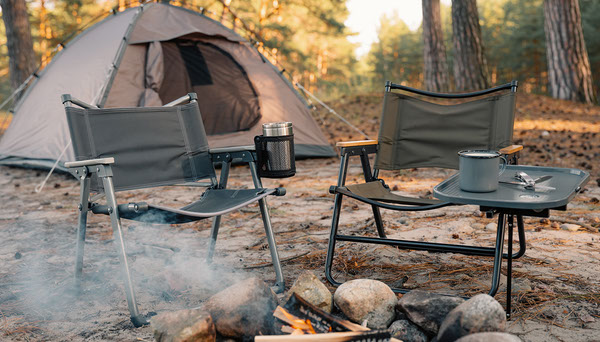
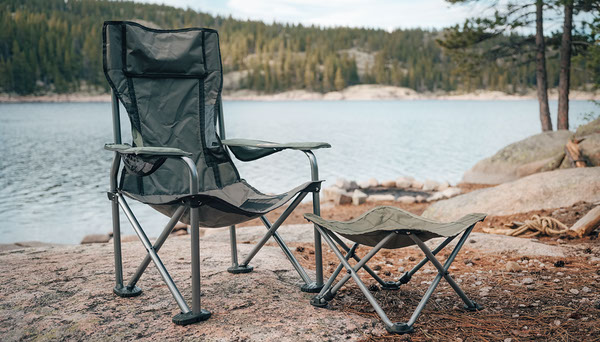
Two styles of camping chairs by a lake

Quick verdict: A fitted bag protects upholstery and controls loose legs; a shoulder strap is faster for short walks from the car.

The best purchase is the one that solves a real problem on your trips. Instead of choosing gear by popularity or a long list of features, compare how each option behaves when you are packing, using and cleaning it.

The practical difference

The bag keeps fabric contained in a trunk. A strap reduces packing steps, especially when a chair collapses into one bundle.

Pay attention to handling when tired, wearing gloves or carrying other equipment. Check packed size, cleaning instructions, materials and whether the item fits what you already own. A compact option is not automatically convenient if it takes longer to set up.

Which option fits your kind of trip?

Look for reinforced stitching and a strap length that doesn’t make the chair swing into your knees.

For short day trips you can often repurpose something already at home. Multi-night camping and frequent use make organization and durable construction more valuable. Prioritize safe, comfortable basics ahead of extra accessories.

Important limitations

Cheap bags tear around their drawstrings. An exposed chair can dirty clothing and snag gear in tight storage.

Replace only the carrier if the chair itself works; don’t buy a whole new chair just to improve portability.

Check product descriptions carefully: retailers may group multiple sizes, materials or accessories on one page. Verify the specific variation before ordering, and consider return terms if fit and compatibility are uncertain.

Who should buy it—and who can skip it?

Buy if: you repeatedly face the problem described above, need predictable performance and have room for the item.

Skip if: your current solution is reliable or you would carry the accessory only once or twice per year.

Before you spend

  • Measure the storage space and check the item’s actual dimensions.
  • Read independent user feedback for repeated durability problems.
  • Confirm material care requirements and any compatibility restrictions.
  • Compare Canadian and U.S. listings separately; prices and availability vary.
  • Keep the simpler option when an upgrade adds no meaningful improvement.

Final buying recommendation

A fitted bag protects upholstery and controls loose legs; a shoulder strap is faster for short walks from the car. Start with your normal trip, not the biggest advertised feature set. A modest purchase that you consistently use beats a more expensive accessory left in the closet.

Affiliate disclosure: As an Amazon Associate, qualifying purchases may earn a commission at no additional cost to you. These links lead to search results for comparing currently available options; no first-hand testing is implied.

Shop Amazon USShop Amazon Canada

Camping Chair Carry Bag vs Shoulder Strap: Which Travels Easier? Read More »
Tent Zipper Care Kit vs Replacement Pull Tabs

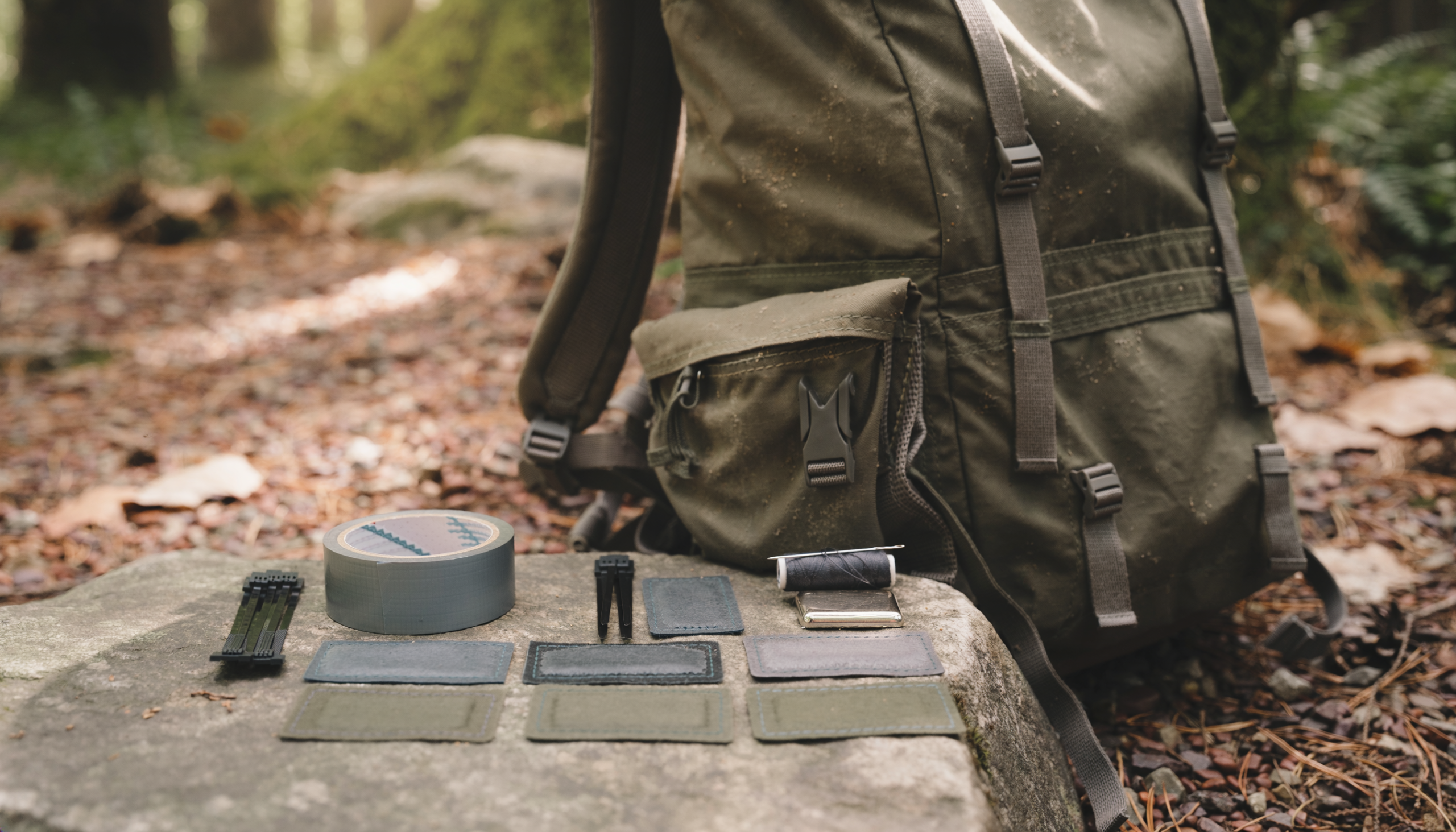
Camping repair kit and duct tape on table

Quick verdict: Replacement pull tabs help when the handle breaks; zipper cleaning and approved lubrication help when grit makes a functioning zipper stick.

The best purchase is the one that solves a real problem on your trips. Instead of choosing gear by popularity or a long list of features, compare how each option behaves when you are packing, using and cleaning it.

The practical difference

Examine the teeth and slider. A missing pull is different from bent teeth, torn fabric or a slider that no longer meshes properly.

Pay attention to handling when tired, wearing gloves or carrying other equipment. Check packed size, cleaning instructions, materials and whether the item fits what you already own. A compact option is not automatically convenient if it takes longer to set up.

Which option fits your kind of trip?

Never force a stuck zipper. Brush out grit first and follow the tent manufacturer’s zipper-care directions.

For short day trips you can often repurpose something already at home. Multi-night camping and frequent use make organization and durable construction more valuable. Prioritize safe, comfortable basics ahead of extra accessories.

Important limitations

Lubricants can attract dirt or stain fabrics if not compatible. A replacement tab does not repair a damaged slider.

Keep simple spare pulls for older tents, and arrange a professional repair or replacement if the zipper separates.

Check product descriptions carefully: retailers may group multiple sizes, materials or accessories on one page. Verify the specific variation before ordering, and consider return terms if fit and compatibility are uncertain.

Who should buy it—and who can skip it?

Buy if: you repeatedly face the problem described above, need predictable performance and have room for the item.

Skip if: your current solution is reliable or you would carry the accessory only once or twice per year.

Before you spend

  • Measure the storage space and check the item’s actual dimensions.
  • Read independent user feedback for repeated durability problems.
  • Confirm material care requirements and any compatibility restrictions.
  • Compare Canadian and U.S. listings separately; prices and availability vary.
  • Keep the simpler option when an upgrade adds no meaningful improvement.

Final buying recommendation

Replacement pull tabs help when the handle breaks; zipper cleaning and approved lubrication help when grit makes a functioning zipper stick. Start with your normal trip, not the biggest advertised feature set. A modest purchase that you consistently use beats a more expensive accessory left in the closet.

Affiliate disclosure: As an Amazon Associate, qualifying purchases may earn a commission at no additional cost to you. These links lead to search results for comparing currently available options; no first-hand testing is implied.

Shop Amazon USShop Amazon Canada

Tent Zipper Care Kit vs Replacement Pull Tabs Read More »

Picnic Cup Carrier vs Collapsible Drink Tray

cup holder vs side table in outdoor setting

Quick verdict: A stable carrier makes more sense when transporting several filled cups; a collapsible tray is better for setting empty cups on a table.

The best purchase is the one that solves a real problem on your trips. Instead of choosing gear by popularity or a long list of features, compare how each option behaves when you are packing, using and cleaning it.

The practical difference

A carrier with individual openings reduces tipping on the walk from car to picnic table. A flat tray is more flexible for snacks but less secure around beverages.

Pay attention to handling when tired, wearing gloves or carrying other equipment. Check packed size, cleaning instructions, materials and whether the item fits what you already own. A compact option is not automatically convenient if it takes longer to set up.

Which option fits your kind of trip?

Consider mug diameter, balance with one hand and how easily the holder washes after sugary spills.

For short day trips you can often repurpose something already at home. Multi-night camping and frequent use make organization and durable construction more valuable. Prioritize safe, comfortable basics ahead of extra accessories.

Important limitations

Paperboard drink carriers are inexpensive but soften when wet; some collapsible plastic versions take more room than expected.

Do not buy specialized drink storage for one or two people. Use a reusable bottle and packed cups instead.

Check product descriptions carefully: retailers may group multiple sizes, materials or accessories on one page. Verify the specific variation before ordering, and consider return terms if fit and compatibility are uncertain.

Who should buy it—and who can skip it?

Buy if: you repeatedly face the problem described above, need predictable performance and have room for the item.

Skip if: your current solution is reliable or you would carry the accessory only once or twice per year.

Before you spend

  • Measure the storage space and check the item’s actual dimensions.
  • Read independent user feedback for repeated durability problems.
  • Confirm material care requirements and any compatibility restrictions.
  • Compare Canadian and U.S. listings separately; prices and availability vary.
  • Keep the simpler option when an upgrade adds no meaningful improvement.

Final buying recommendation

A stable carrier makes more sense when transporting several filled cups; a collapsible tray is better for setting empty cups on a table. Start with your normal trip, not the biggest advertised feature set. A modest purchase that you consistently use beats a more expensive accessory left in the closet.

Affiliate disclosure: As an Amazon Associate, qualifying purchases may earn a commission at no additional cost to you. These links lead to search results for comparing currently available options; no first-hand testing is implied.

Shop Amazon USShop Amazon Canada

Picnic Cup Carrier vs Collapsible Drink Tray Read More »

Campground Laundry Bag vs Dry Bag for Dirty Clothes

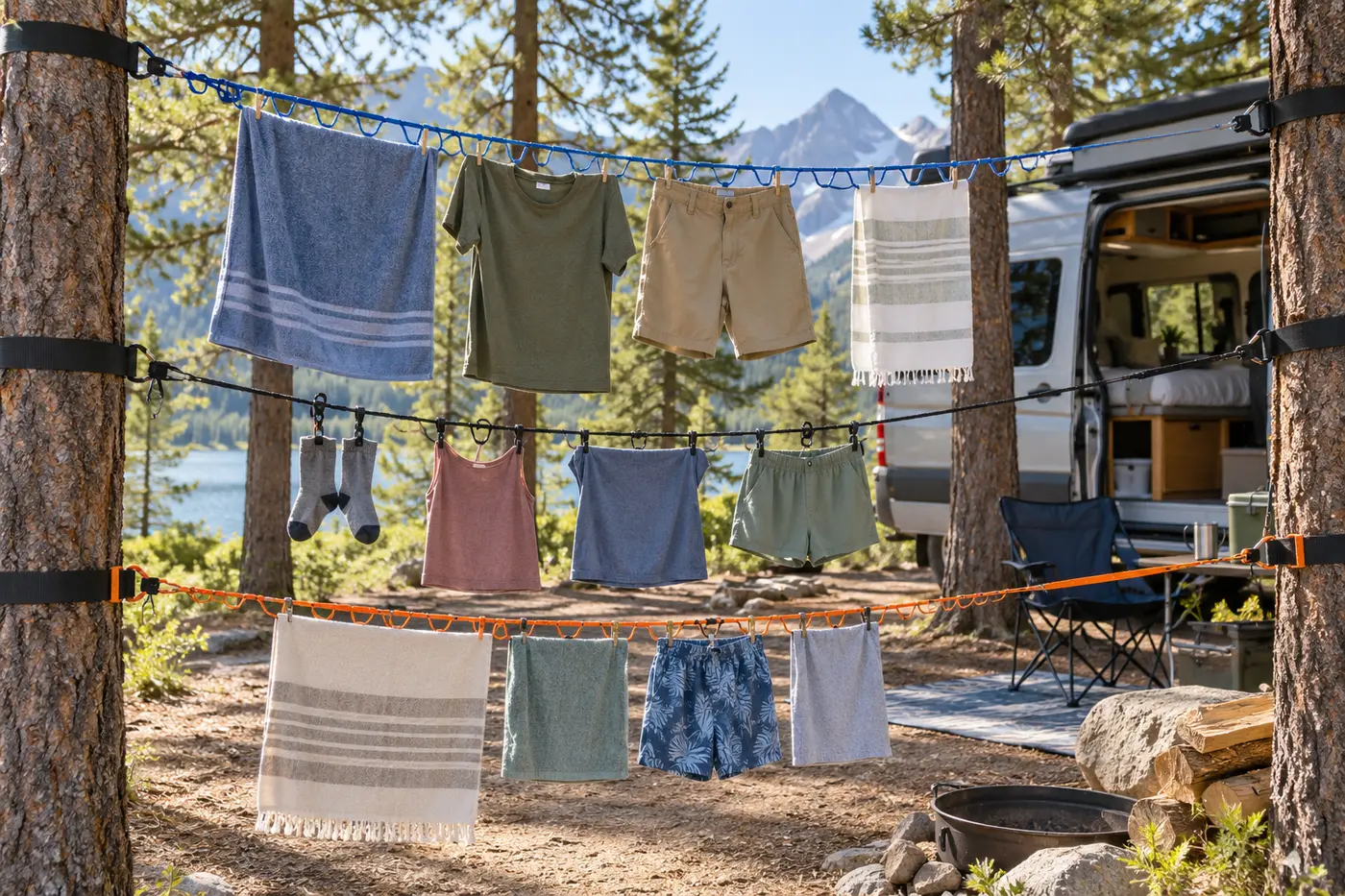
Portable travel clotheslines with towels and lightweight clothing drying at an organized forest campsite

Quick verdict: A breathable laundry sack is better for dry used clothing; a waterproof bag is useful for isolating soaked or muddy garments temporarily.

The best purchase is the one that solves a real problem on your trips. Instead of choosing gear by popularity or a long list of features, compare how each option behaves when you are packing, using and cleaning it.

The practical difference

Airflow helps reduce moisture accumulation between washes. Waterproof containment prevents damp clothes from wetting sleeping gear during transport.

Pay attention to handling when tired, wearing gloves or carrying other equipment. Check packed size, cleaning instructions, materials and whether the item fits what you already own. A compact option is not automatically convenient if it takes longer to set up.

Which option fits your kind of trip?

Dry clothes promptly when possible rather than leaving them sealed. Pack a separate bag for garments contaminated with mud or cooking smells.

For short day trips you can often repurpose something already at home. Multi-night camping and frequent use make organization and durable construction more valuable. Prioritize safe, comfortable basics ahead of extra accessories.

Important limitations

A dry bag can trap moisture for days, while mesh laundry bags will not stop leaks or odors in a vehicle.

If you only camp for one night, a spare cloth tote works. Longer trips justify separate clean and dirty clothing systems.

Check product descriptions carefully: retailers may group multiple sizes, materials or accessories on one page. Verify the specific variation before ordering, and consider return terms if fit and compatibility are uncertain.

Who should buy it—and who can skip it?

Buy if: you repeatedly face the problem described above, need predictable performance and have room for the item.

Skip if: your current solution is reliable or you would carry the accessory only once or twice per year.

Before you spend

  • Measure the storage space and check the item’s actual dimensions.
  • Read independent user feedback for repeated durability problems.
  • Confirm material care requirements and any compatibility restrictions.
  • Compare Canadian and U.S. listings separately; prices and availability vary.
  • Keep the simpler option when an upgrade adds no meaningful improvement.

Final buying recommendation

A breathable laundry sack is better for dry used clothing; a waterproof bag is useful for isolating soaked or muddy garments temporarily. Start with your normal trip, not the biggest advertised feature set. A modest purchase that you consistently use beats a more expensive accessory left in the closet.

Affiliate disclosure: As an Amazon Associate, qualifying purchases may earn a commission at no additional cost to you. These links lead to search results for comparing currently available options; no first-hand testing is implied.

Shop Amazon USShop Amazon Canada

Campground Laundry Bag vs Dry Bag for Dirty Clothes Read More »

Compact Camp Mirror vs Phone Selfie Camera for Campsite Grooming

Two hikers enjoying a sunset trail close to home

Quick verdict: A small shatter-resistant mirror is more practical than relying on a phone screen during a longer camping trip.

The best purchase is the one that solves a real problem on your trips. Instead of choosing gear by popularity or a long list of features, compare how each option behaves when you are packing, using and cleaning it.

The practical difference

A mirror needs no battery and works for contact-lens checks or basic grooming. The phone is already in your pocket for occasional use.

Pay attention to handling when tired, wearing gloves or carrying other equipment. Check packed size, cleaning instructions, materials and whether the item fits what you already own. A compact option is not automatically convenient if it takes longer to set up.

Which option fits your kind of trip?

Look for a stable stand or hanging point and wipe-clean construction. Keep hygiene tasks and washing away from waterways according to local guidance.

For short day trips you can often repurpose something already at home. Multi-night camping and frequent use make organization and durable construction more valuable. Prioritize safe, comfortable basics ahead of extra accessories.

Important limitations

A mirror is another thing to pack and some ultra-thin plastic surfaces distort the reflection. A phone’s front camera struggles when the battery is flat.

Skip the mirror on a simple day trip. Bring one on extended camping trips when reliable close-up visibility matters.

Check product descriptions carefully: retailers may group multiple sizes, materials or accessories on one page. Verify the specific variation before ordering, and consider return terms if fit and compatibility are uncertain.

Who should buy it—and who can skip it?

Buy if: you repeatedly face the problem described above, need predictable performance and have room for the item.

Skip if: your current solution is reliable or you would carry the accessory only once or twice per year.

Before you spend

  • Measure the storage space and check the item’s actual dimensions.
  • Read independent user feedback for repeated durability problems.
  • Confirm material care requirements and any compatibility restrictions.
  • Compare Canadian and U.S. listings separately; prices and availability vary.
  • Keep the simpler option when an upgrade adds no meaningful improvement.

Final buying recommendation

A small shatter-resistant mirror is more practical than relying on a phone screen during a longer camping trip. Start with your normal trip, not the biggest advertised feature set. A modest purchase that you consistently use beats a more expensive accessory left in the closet.

Affiliate disclosure: As an Amazon Associate, qualifying purchases may earn a commission at no additional cost to you. These links lead to search results for comparing currently available options; no first-hand testing is implied.

Shop Amazon USShop Amazon Canada

Compact Camp Mirror vs Phone Selfie Camera for Campsite Grooming Read More »

Camping First-Aid Pouch vs Hard Case for Road Trips

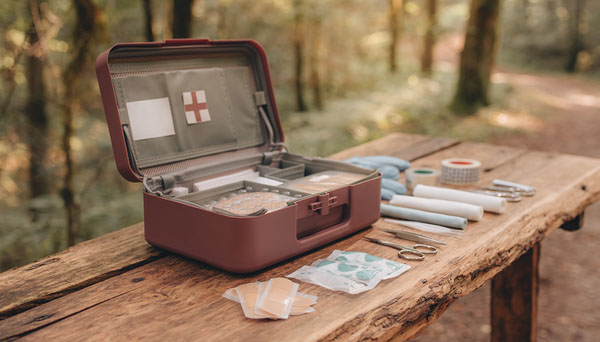
Open hiking first aid kit with blister supplies

Quick verdict: A soft pouch is easiest to pack for hikes; a hard case protects supplies better in a crowded vehicle storage area.

The best purchase is the one that solves a real problem on your trips. Instead of choosing gear by popularity or a long list of features, compare how each option behaves when you are packing, using and cleaning it.

The practical difference

A pouch molds to empty spaces and fits a daypack. A box is easy to label and inspect but has more bulk.

Pay attention to handling when tired, wearing gloves or carrying other equipment. Check packed size, cleaning instructions, materials and whether the item fits what you already own. A compact option is not automatically convenient if it takes longer to set up.

Which option fits your kind of trip?

Focus on contents, personal medications, emergency planning and restocking, not just the case. Review recognized first-aid guidance before a remote trip.

For short day trips you can often repurpose something already at home. Multi-night camping and frequent use make organization and durable construction more valuable. Prioritize safe, comfortable basics ahead of extra accessories.

Important limitations

Neither container makes an incomplete kit safe. Some hard cases are not waterproof unless explicitly rated.

A pouch is the most versatile first purchase; choose a case for harsh handling or organized car-camping storage.

Check product descriptions carefully: retailers may group multiple sizes, materials or accessories on one page. Verify the specific variation before ordering, and consider return terms if fit and compatibility are uncertain.

Who should buy it—and who can skip it?

Buy if: you repeatedly face the problem described above, need predictable performance and have room for the item.

Skip if: your current solution is reliable or you would carry the accessory only once or twice per year.

Before you spend

  • Measure the storage space and check the item’s actual dimensions.
  • Read independent user feedback for repeated durability problems.
  • Confirm material care requirements and any compatibility restrictions.
  • Compare Canadian and U.S. listings separately; prices and availability vary.
  • Keep the simpler option when an upgrade adds no meaningful improvement.

Final buying recommendation

A soft pouch is easiest to pack for hikes; a hard case protects supplies better in a crowded vehicle storage area. Start with your normal trip, not the biggest advertised feature set. A modest purchase that you consistently use beats a more expensive accessory left in the closet.

Affiliate disclosure: As an Amazon Associate, qualifying purchases may earn a commission at no additional cost to you. These links lead to search results for comparing currently available options; no first-hand testing is implied.

Shop Amazon USShop Amazon Canada

Camping First-Aid Pouch vs Hard Case for Road Trips Read More »

Camping Tent Door Mat vs Groundsheet at the Entrance

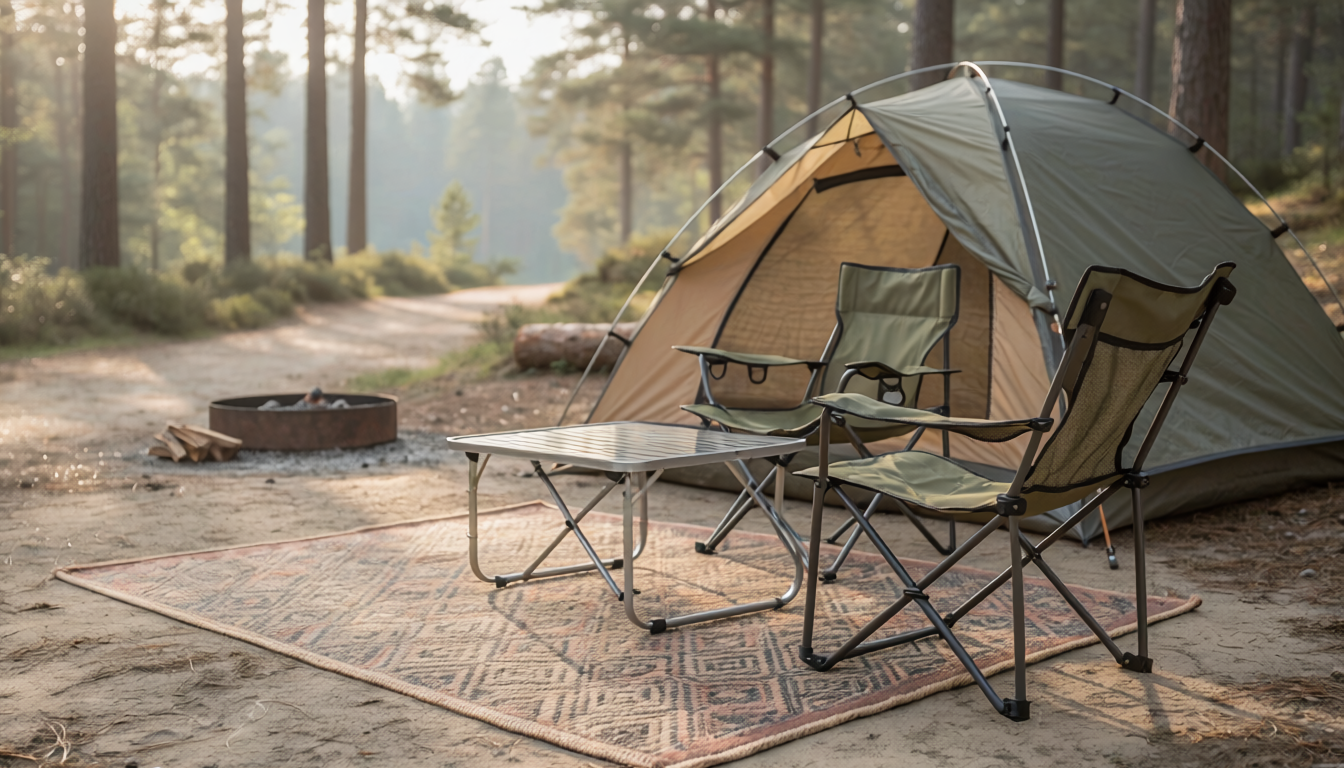
Large woven outdoor camping rug under chairs beside a tent

Quick verdict: A small textured mat is useful for scraping grit; an extra piece of groundsheet is cheaper for simply keeping gear off wet earth.

The best purchase is the one that solves a real problem on your trips. Instead of choosing gear by popularity or a long list of features, compare how each option behaves when you are packing, using and cleaning it.

The practical difference

The doorway sees concentrated foot traffic. A mat can help with mud, while a groundsheet provides a larger clean kneeling area.

Pay attention to handling when tired, wearing gloves or carrying other equipment. Check packed size, cleaning instructions, materials and whether the item fits what you already own. A compact option is not automatically convenient if it takes longer to set up.

Which option fits your kind of trip?

Position either so runoff does not flow underneath the tent and follow campsite rules on ground coverings.

For short day trips you can often repurpose something already at home. Multi-night camping and frequent use make organization and durable construction more valuable. Prioritize safe, comfortable basics ahead of extra accessories.

Important limitations

Heavy mats are poor choices for backpacking. Groundsheet scraps can wrinkle and become slippery when saturated.

Buy a dedicated entrance mat for frequent drive-in camping; reuse a lightweight sheet for occasional trips.

Check product descriptions carefully: retailers may group multiple sizes, materials or accessories on one page. Verify the specific variation before ordering, and consider return terms if fit and compatibility are uncertain.

Who should buy it—and who can skip it?

Buy if: you repeatedly face the problem described above, need predictable performance and have room for the item.

Skip if: your current solution is reliable or you would carry the accessory only once or twice per year.

Before you spend

  • Measure the storage space and check the item’s actual dimensions.
  • Read independent user feedback for repeated durability problems.
  • Confirm material care requirements and any compatibility restrictions.
  • Compare Canadian and U.S. listings separately; prices and availability vary.
  • Keep the simpler option when an upgrade adds no meaningful improvement.

Final buying recommendation

A small textured mat is useful for scraping grit; an extra piece of groundsheet is cheaper for simply keeping gear off wet earth. Start with your normal trip, not the biggest advertised feature set. A modest purchase that you consistently use beats a more expensive accessory left in the closet.

Affiliate disclosure: As an Amazon Associate, qualifying purchases may earn a commission at no additional cost to you. These links lead to search results for comparing currently available options; no first-hand testing is implied.

Shop Amazon USShop Amazon Canada

Camping Tent Door Mat vs Groundsheet at the Entrance Read More »

Camping Utensil Roll vs Cutlery Box for Car Camping

Compact camp utensil set arranged in its case

Quick verdict: A roll organizer is tidier for small sets in limited space; a rigid cutlery box protects sharper or fragile items in a crowded car.

The best purchase is the one that solves a real problem on your trips. Instead of choosing gear by popularity or a long list of features, compare how each option behaves when you are packing, using and cleaning it.

The practical difference

A fabric roll makes it easy to see what is missing before departure. A box is easier to wipe clean if packed with food residue or damp utensils.

Pay attention to handling when tired, wearing gloves or carrying other equipment. Check packed size, cleaning instructions, materials and whether the item fits what you already own. A compact option is not automatically convenient if it takes longer to set up.

Which option fits your kind of trip?

After washing, dry tools thoroughly before storing them. Separate knives from loose items and use proper blade guards.

For short day trips you can often repurpose something already at home. Multi-night camping and frequent use make organization and durable construction more valuable. Prioritize safe, comfortable basics ahead of extra accessories.

Important limitations

Fabric pockets are difficult to sanitize if repeatedly packed wet. Rigid boxes can be bulky for just two campers.

Skip buying organizers if a clean reusable pouch already keeps your camp kitchen sorted.

Check product descriptions carefully: retailers may group multiple sizes, materials or accessories on one page. Verify the specific variation before ordering, and consider return terms if fit and compatibility are uncertain.

Who should buy it—and who can skip it?

Buy if: you repeatedly face the problem described above, need predictable performance and have room for the item.

Skip if: your current solution is reliable or you would carry the accessory only once or twice per year.

Before you spend

  • Measure the storage space and check the item’s actual dimensions.
  • Read independent user feedback for repeated durability problems.
  • Confirm material care requirements and any compatibility restrictions.
  • Compare Canadian and U.S. listings separately; prices and availability vary.
  • Keep the simpler option when an upgrade adds no meaningful improvement.

Final buying recommendation

A roll organizer is tidier for small sets in limited space; a rigid cutlery box protects sharper or fragile items in a crowded car. Start with your normal trip, not the biggest advertised feature set. A modest purchase that you consistently use beats a more expensive accessory left in the closet.

Affiliate disclosure: As an Amazon Associate, qualifying purchases may earn a commission at no additional cost to you. These links lead to search results for comparing currently available options; no first-hand testing is implied.

Shop Amazon USShop Amazon Canada

Camping Utensil Roll vs Cutlery Box for Car Camping Read More »

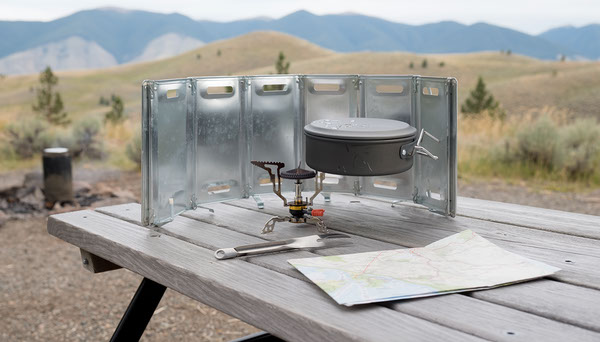
Camping Windbreak Panel vs Natural Shelter for a Picnic Stove

Camping cook stove with windscreen and pot on table

Quick verdict: A manufacturer-approved wind shield can improve comfort in a breezy campsite, but the safest setup depends on the stove’s fuel system and clearance instructions.

The best purchase is the one that solves a real problem on your trips. Instead of choosing gear by popularity or a long list of features, compare how each option behaves when you are packing, using and cleaning it.

The practical difference

Some stove styles prohibit wraparound windscreens because reflected heat can overheat a fuel canister. A rock or vehicle does not automatically make a safe wind shelter.

Pay attention to handling when tired, wearing gloves or carrying other equipment. Check packed size, cleaning instructions, materials and whether the item fits what you already own. A compact option is not automatically convenient if it takes longer to set up.

Which option fits your kind of trip?

Before buying any accessory, read the exact stove manual and choose a level, ventilated cooking location well away from tents, dry grass and people.

For short day trips you can often repurpose something already at home. Multi-night camping and frequent use make organization and durable construction more valuable. Prioritize safe, comfortable basics ahead of extra accessories.

Important limitations

A windscreen that fits the pot but traps heat around the canister is not an upgrade. Strong winds can still make cooking unsafe.

Avoid improvising barriers around canister stoves unless specifically approved. Often relocating to a permitted sheltered cooking spot is the better choice.

Check product descriptions carefully: retailers may group multiple sizes, materials or accessories on one page. Verify the specific variation before ordering, and consider return terms if fit and compatibility are uncertain.

Who should buy it—and who can skip it?

Buy if: you repeatedly face the problem described above, need predictable performance and have room for the item.

Skip if: your current solution is reliable or you would carry the accessory only once or twice per year.

Before you spend

  • Measure the storage space and check the item’s actual dimensions.
  • Read independent user feedback for repeated durability problems.
  • Confirm material care requirements and any compatibility restrictions.
  • Compare Canadian and U.S. listings separately; prices and availability vary.
  • Keep the simpler option when an upgrade adds no meaningful improvement.

Final buying recommendation

A manufacturer-approved wind shield can improve comfort in a breezy campsite, but the safest setup depends on the stove’s fuel system and clearance instructions. Start with your normal trip, not the biggest advertised feature set. A modest purchase that you consistently use beats a more expensive accessory left in the closet.

Affiliate disclosure: As an Amazon Associate, qualifying purchases may earn a commission at no additional cost to you. These links lead to search results for comparing currently available options; no first-hand testing is implied.

Shop Amazon USShop Amazon Canada

Camping Windbreak Panel vs Natural Shelter for a Picnic Stove Read More »

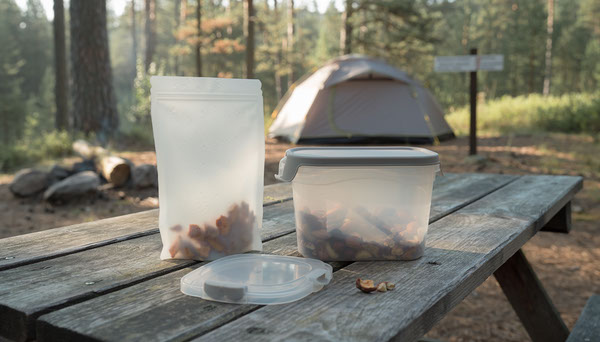
Hiking Snacks: Bento Box vs Individual Reusable Pouches

snack box vs silicone bag in outdoor setting

Quick verdict: A compartment box wins for fragile fruit and crackers; soft pouches are better when pack space and weight matter.

The best purchase is the one that solves a real problem on your trips. Instead of choosing gear by popularity or a long list of features, compare how each option behaves when you are packing, using and cleaning it.

The practical difference

Dividers keep salty and sweet snacks apart and make portioning easy. Flexible pouches conform to gaps in your backpack and shrink as you eat.

Pay attention to handling when tired, wearing gloves or carrying other equipment. Check packed size, cleaning instructions, materials and whether the item fits what you already own. A compact option is not automatically convenient if it takes longer to set up.

Which option fits your kind of trip?

Pack perishable items with appropriate temperature control, not just a decorative lunch box. Check leak-resistant seals before storing near electronics.

For short day trips you can often repurpose something already at home. Multi-night camping and frequent use make organization and durable construction more valuable. Prioritize safe, comfortable basics ahead of extra accessories.

Important limitations

Rigid boxes create dead space and can rattle. Soft bags are harder to organize and crush delicate food.

Use your existing food-safe containers first; buy a special box only when protection and tidy access make outings more enjoyable.

Check product descriptions carefully: retailers may group multiple sizes, materials or accessories on one page. Verify the specific variation before ordering, and consider return terms if fit and compatibility are uncertain.

Who should buy it—and who can skip it?

Buy if: you repeatedly face the problem described above, need predictable performance and have room for the item.

Skip if: your current solution is reliable or you would carry the accessory only once or twice per year.

Before you spend

  • Measure the storage space and check the item’s actual dimensions.
  • Read independent user feedback for repeated durability problems.
  • Confirm material care requirements and any compatibility restrictions.
  • Compare Canadian and U.S. listings separately; prices and availability vary.
  • Keep the simpler option when an upgrade adds no meaningful improvement.

Final buying recommendation

A compartment box wins for fragile fruit and crackers; soft pouches are better when pack space and weight matter. Start with your normal trip, not the biggest advertised feature set. A modest purchase that you consistently use beats a more expensive accessory left in the closet.

Affiliate disclosure: As an Amazon Associate, qualifying purchases may earn a commission at no additional cost to you. These links lead to search results for comparing currently available options; no first-hand testing is implied.

Shop Amazon USShop Amazon Canada

Hiking Snacks: Bento Box vs Individual Reusable Pouches Read More »