
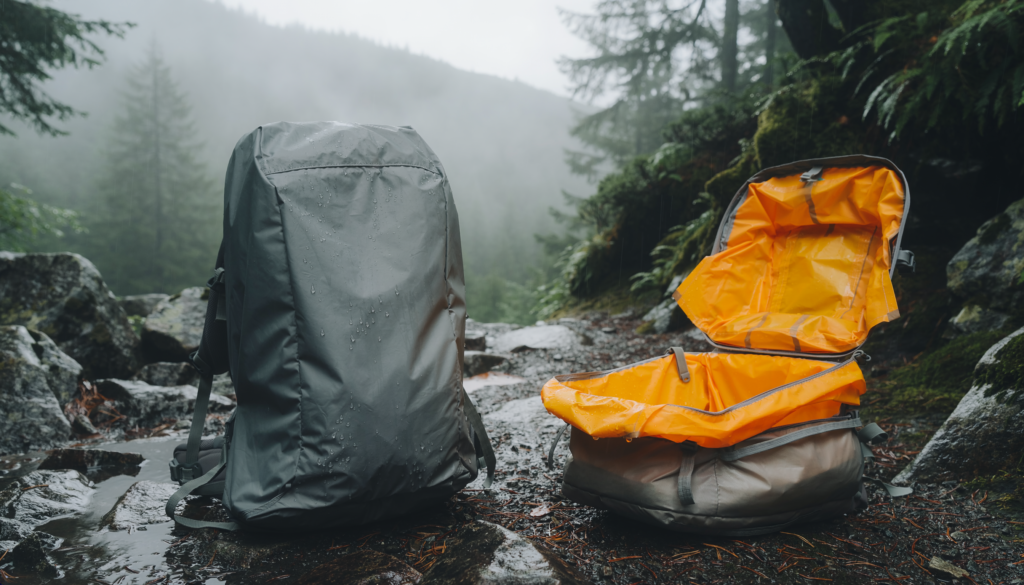
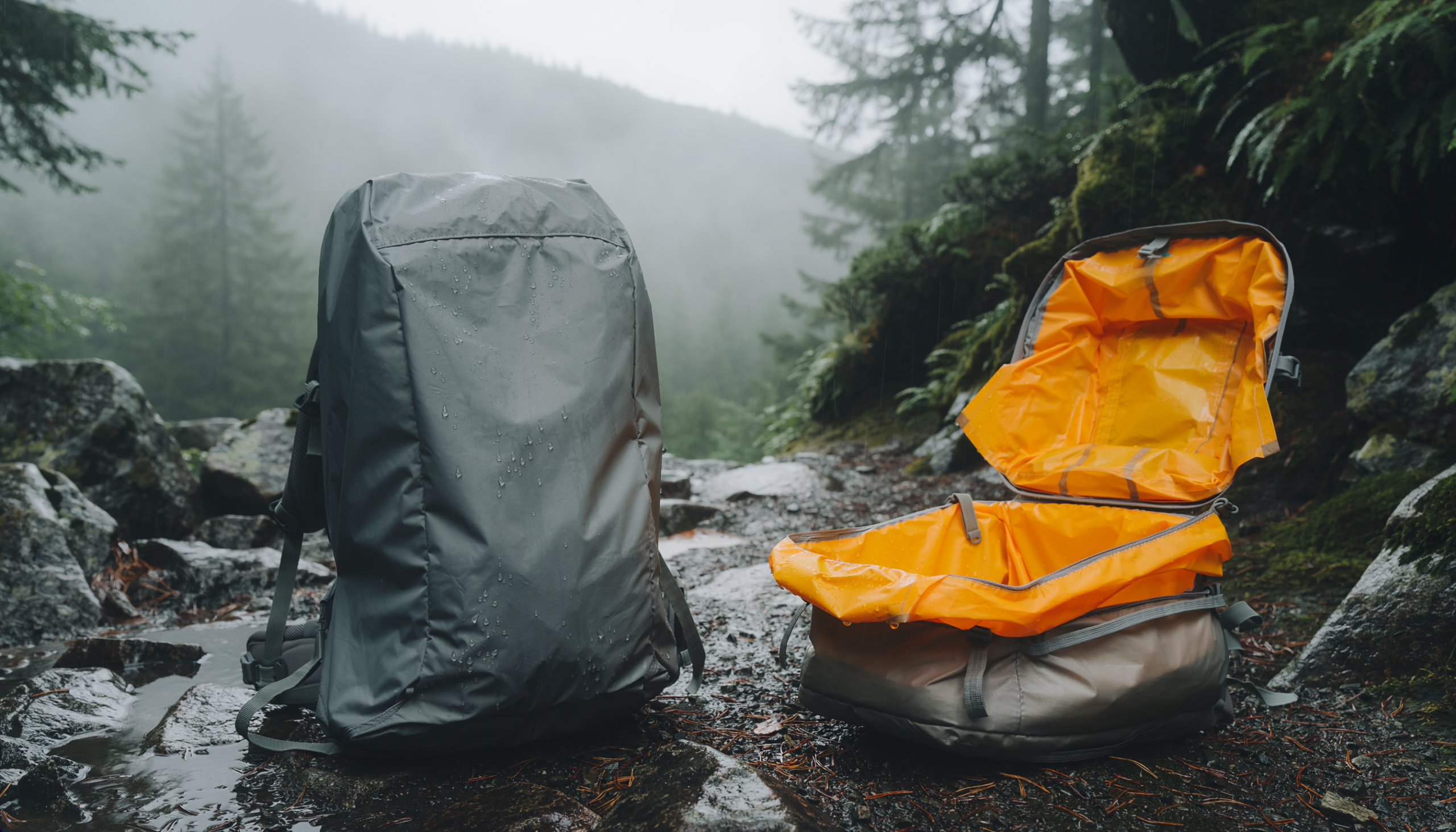
Quick verdict: A pack liner is the better first purchase for most rainy hikes; a dry bag adds protection and organization for individual essentials.
Choosing outdoor gear is easier when you start with the trip rather than the product listing. Consider weather, how often you will use the item, how much you must carry, and whether a simpler piece of equipment already does the job.
What changes in actual use?
A liner shields the main compartment with fewer seams and closures, while a roll-top dry bag groups clothing or electronics separately.
Before buying, imagine packing, using, cleaning and storing the item. A feature that looks impressive online can become an annoyance on a muddy trail or at a busy campsite. Compare the dimensions when packed, rather than product photos alone.
What I would choose for a real trip
For repeated rain, line the backpack before loading it and seal the liner above the contents. For river travel, use purpose-rated waterproof storage, not an ordinary hiking sack.
For a short local outing, favor the simple setup you already know. For a longer or more remote trip, redundancy, durability and ease of repair can matter more than saving a little money. Follow local park rules and official safety guidance when conditions are consequential.
When is the upgrade worth paying for?
A dry bag is worth the extra money when several items need separate protection or you frequently access wet and dry gear.
It is worth comparing the manufacturer’s care instructions, materials, measured size and warranty information on the exact listing. Prices and included accessories change, and products that look alike are not always equivalent.
Drawbacks and reasons to skip
A bag marketed as water-resistant may leak during submersion. Inspect seams and roll closures; do not assume a low-cost dry bag protects an unbacked-up phone.
If the cheaper option already solves your normal problem reliably, keep the money for footwear, weather protection or another essential. No piece of convenience gear can make up for insufficient trip planning.
Who should buy—and who should skip?
Buy: Someone who encounters this specific problem regularly and wants a more convenient, durable solution.
Skip: Occasional users whose current gear works, or anyone buying solely because a product has a long feature list.
Buying checklist
- Confirm the actual product dimensions and packed size, not just the marketing photo.
- Review materials, closure or fastening quality, and cleaning requirements.
- Check compatibility with your existing gear and local conditions.
- Look for recurring complaints in independent reviews, especially around durability.
- Compare total price, returns and warranty in your own country.
Final verdict
A pack liner is the better first purchase for most rainy hikes; a dry bag adds protection and organization for individual essentials. Start with the lowest-cost option that reliably addresses your real use case; upgrade only when a specific limitation is holding you back.
Shopping note: These are search links to compare available options, not claims of hands-on product testing. As an Amazon Associate, qualifying purchases may earn a commission at no additional cost to you.