
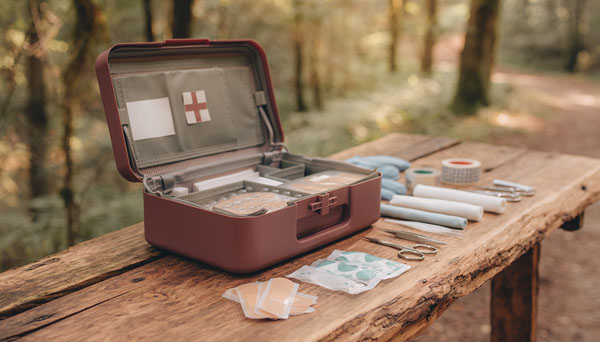
Quick verdict: A soft pouch is easiest to pack for hikes; a hard case protects supplies better in a crowded vehicle storage area.
The best purchase is the one that solves a real problem on your trips. Instead of choosing gear by popularity or a long list of features, compare how each option behaves when you are packing, using and cleaning it.
The practical difference
A pouch molds to empty spaces and fits a daypack. A box is easy to label and inspect but has more bulk.
Pay attention to handling when tired, wearing gloves or carrying other equipment. Check packed size, cleaning instructions, materials and whether the item fits what you already own. A compact option is not automatically convenient if it takes longer to set up.
Which option fits your kind of trip?
Focus on contents, personal medications, emergency planning and restocking, not just the case. Review recognized first-aid guidance before a remote trip.
For short day trips you can often repurpose something already at home. Multi-night camping and frequent use make organization and durable construction more valuable. Prioritize safe, comfortable basics ahead of extra accessories.
Important limitations
Neither container makes an incomplete kit safe. Some hard cases are not waterproof unless explicitly rated.
A pouch is the most versatile first purchase; choose a case for harsh handling or organized car-camping storage.
Check product descriptions carefully: retailers may group multiple sizes, materials or accessories on one page. Verify the specific variation before ordering, and consider return terms if fit and compatibility are uncertain.
Who should buy it—and who can skip it?
Buy if: you repeatedly face the problem described above, need predictable performance and have room for the item.
Skip if: your current solution is reliable or you would carry the accessory only once or twice per year.
Before you spend
- Measure the storage space and check the item’s actual dimensions.
- Read independent user feedback for repeated durability problems.
- Confirm material care requirements and any compatibility restrictions.
- Compare Canadian and U.S. listings separately; prices and availability vary.
- Keep the simpler option when an upgrade adds no meaningful improvement.
Final buying recommendation
A soft pouch is easiest to pack for hikes; a hard case protects supplies better in a crowded vehicle storage area. Start with your normal trip, not the biggest advertised feature set. A modest purchase that you consistently use beats a more expensive accessory left in the closet.
Affiliate disclosure: As an Amazon Associate, qualifying purchases may earn a commission at no additional cost to you. These links lead to search results for comparing currently available options; no first-hand testing is implied.