Electric vs Propane Patio Heater: Which Is Better Value for Occasional Evenings?

Freestanding, tabletop and wall-mounted patio heaters safely arranged on a modern patio during a cool autumn evening
Illustrative patio-heater scene; this is not a clearance diagram or approval for the pictured installation.

Quick verdict: Choose electric when a suitable supply and approved placement make a regular heating spot practical. Consider propane for a compatible outdoor arrangement where moving the heater is useful and cylinder handling suits you. Compare the complete installation and running routine before the heater price.

Research-based buying guide; no hands-on testing is claimed. As an Amazon Associate, Time to Get Outside earns from qualifying purchases.

…

Electric vs Propane Patio Heater: Which Is Better Value for Occasional Evenings? Read More »


Fillable vs Solid Patio Umbrella Base: Which Is Easier to Own?

Market, tilt and cantilever patio umbrellas open over dining and lounge areas with weighted bases
Illustrative patio-umbrella scene; the image is not a base-weight calculation or installation recommendation.

Quick verdict: Choose only a base approved for the exact umbrella and its intended installation. A fillable design can simplify delivery and seasonal handling before filling. A solid base can avoid that filling routine, but its permanent weight and storage needs must work for you.

Research-based buying guide; no hands-on testing is claimed. As an Amazon Associate, Time to Get Outside earns from qualifying purchases.

…

Fillable vs Solid Patio Umbrella Base: Which Is Easier to Own? Read More »

No-Glow vs Low-Glow Trail Camera: Is Less Visible Night Flash Worth Paying For?

Illustrative trail camera strapped to a tree beside a woodland path
AI-generated trail-camera illustration; no nighttime flash visibility or image-quality test is shown.

Quick verdict: Choose no-glow when reducing visible night illumination is a priority for your placement. A low-glow model can be sufficient when that subtle flash is not a concern and the camera otherwise meets your image needs. Compare actual night samples and settings rather than buying by the flash label alone.

Research-based buying guide; no hands-on testing is claimed. As an Amazon Associate, Time to Get Outside earns from qualifying purchases.

…

No-Glow vs Low-Glow Trail Camera: Is Less Visible Night Flash Worth Paying For? Read More »

Lithium vs Alkaline AA Batteries for Trail Cameras: When Is the Premium Worth It?

Illustrative trail camera strapped to a tree beside a woodland path
AI-generated trail-camera illustration; not a photograph of tested batteries or measured runtime.

Quick verdict: Use only the battery types approved for your exact camera. Where both are allowed, primary lithium AA cells can be worth their premium for cold-weather or inconvenient-to-reach cameras. Good alkaline cells can be sufficient for accessible cameras in milder use.

Research-based buying guide; no hands-on testing is claimed. As an Amazon Associate, Time to Get Outside earns from qualifying purchases.

…

Lithium vs Alkaline AA Batteries for Trail Cameras: When Is the Premium Worth It? Read More »

Sit-On-Top vs Sit-Inside Kayak: Which Layout Fits Casual Paddling?

Colorful waterproof roll-top dry bags beside a kayak on a mountain lake shore
Illustrative outdoor scene from Time to Get Outside’s image collection; not a hands-on product test.

Quick verdict: Choose the layout after trying entry, seat fit and the handling routine for suitable outings. A sit-on-top offers an open seating arrangement; a sit-inside places you in a cockpit. Neither layout alone proves that a kayak is appropriate for your water, skill level or conditions.

Research-based buying guide; no hands-on testing is claimed. As an Amazon Associate, Time to Get Outside earns from qualifying purchases.

…

Sit-On-Top vs Sit-Inside Kayak: Which Layout Fits Casual Paddling? Read More »

Adjustable vs Fixed-Length SUP Paddle: Which Should You Buy First?

A paddleboarder wearing a red flotation vest on a calm sheltered lake
Illustrative paddleboarding scene; the paddle’s adjustment system is not identified or tested.

Quick verdict: Choose an adjustable paddle when several people will share it or you are still establishing the right length. A fixed-length paddle is worth considering when your fit and use are settled and its actual weight or feel justifies a dedicated setup.

Research-based buying guide; no hands-on testing is claimed. As an Amazon Associate, Time to Get Outside earns from qualifying purchases.

…

Adjustable vs Fixed-Length SUP Paddle: Which Should You Buy First? Read More »

Low-Angle vs High-Angle Kayak Paddle: Buy for Your Stroke, Not the Label

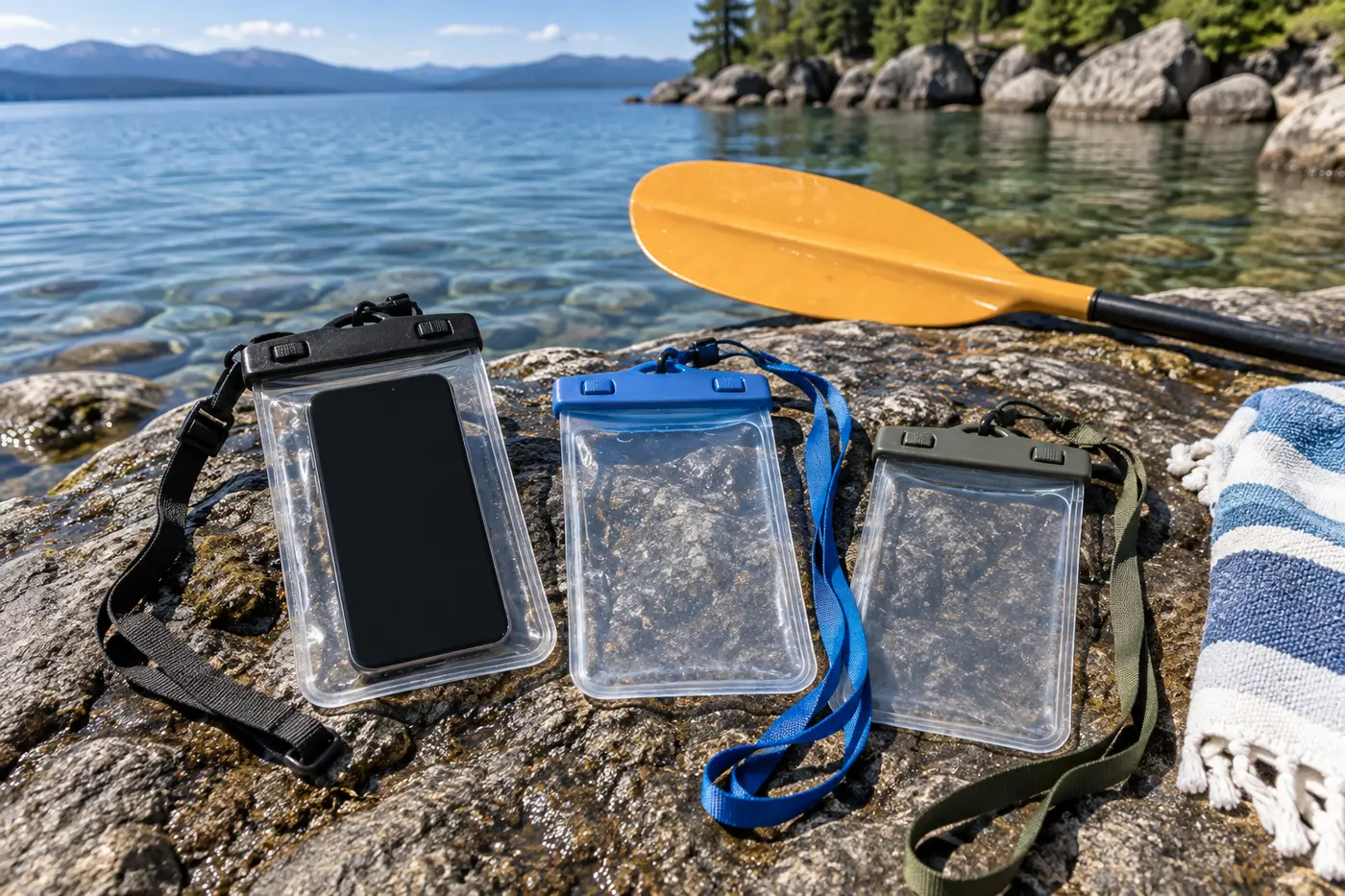
Clear waterproof phone pouches with secure lanyards beside a kayak paddle on a rocky lake shore
Illustrative lakeshore paddle scene; no blade-angle comparison or paddling technique test is shown.

Quick verdict: Choose a low-angle design when it matches your relaxed cruising stroke. Consider a high-angle design when that is the stroke and paddling task you actually use. Neither is automatically the beginner or expert choice; fit, blade area and length remain essential.

Research-based buying guide; no hands-on testing is claimed. As an Amazon Associate, Time to Get Outside earns from qualifying purchases.

…

Low-Angle vs High-Angle Kayak Paddle: Buy for Your Stroke, Not the Label Read More »

Ultralight vs Standard Camping Cot: When Is the Weight Saving Worth Paying For?

Illustrative camping cot with a visible folding support frame inside a tent
AI-generated camping-cot illustration; not a photograph of a tested model or an assembly guide.

Quick verdict: Pay for an ultralight cot when carrying weight and packed size are real constraints. A standard cot may offer better value for short carries and car camping, provided its dimensions and setup suit you. Low weight does not automatically improve comfort or make the cot warmer.

Research-based buying guide; no hands-on testing is claimed. As an Amazon Associate, Time to Get Outside earns from qualifying purchases.

…

Ultralight vs Standard Camping Cot: When Is the Weight Saving Worth Paying For? Read More »

Electric vs Foot-Pump Camping Shower: Is Battery-Powered Pressure Worth It?

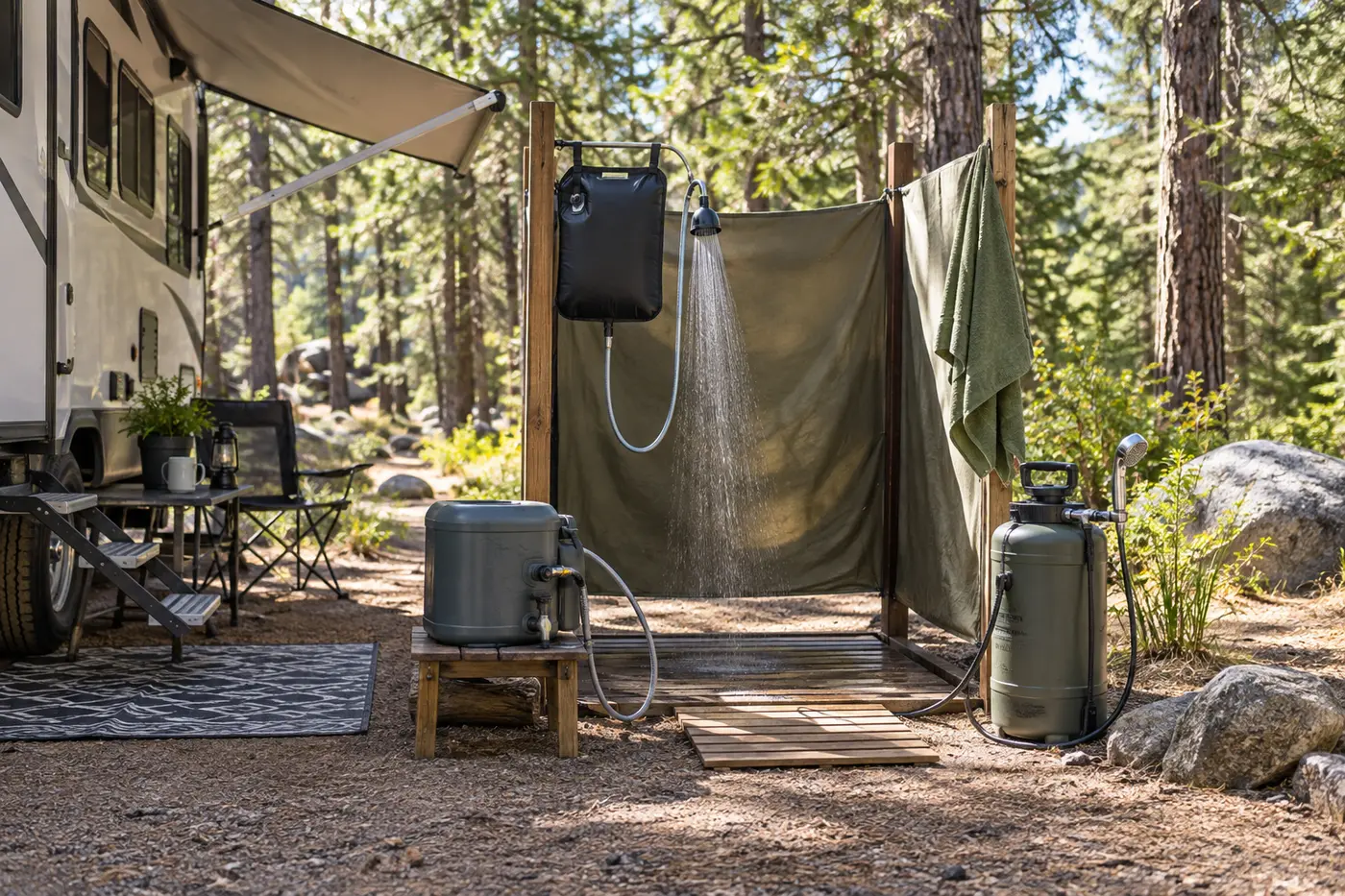
Portable camping shower systems arranged at a private outdoor rinse station beside an RV campsite
Illustrative outdoor scene from Time to Get Outside’s image collection; not a hands-on product test.

Quick verdict: Choose a foot-pump shower when a simple no-charging routine supplies enough convenience. Consider an electric system when repeated rinsing makes powered pressure useful and the full tank, battery and storage requirements fit your trips. Pumping water does not automatically mean heating it.

Research-based buying guide; no hands-on testing is claimed. As an Amazon Associate, Time to Get Outside earns from qualifying purchases.

…

Electric vs Foot-Pump Camping Shower: Is Battery-Powered Pressure Worth It? Read More »

Rotomolded vs Injection-Molded Coolers: Which Hard Cooler Is Better Value?

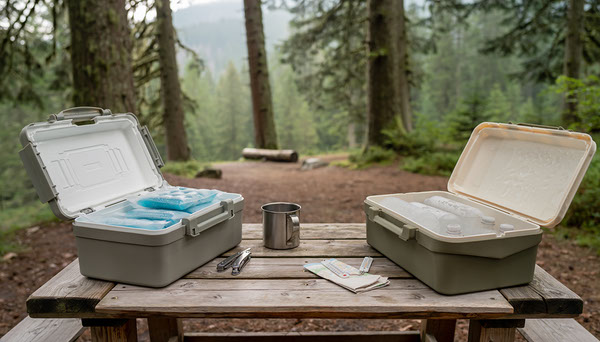
Two open camping coolers with ice packs on a picnic table
Illustrative hard-cooler scene; the manufacturing method of the pictured coolers is not identified.

Quick verdict: Choose by the complete cooler’s weight, usable space, insulation information and support. A rotomolded label can accompany a robust design, but does not guarantee the best purchase. A well-chosen injection-molded cooler may be easier to carry without giving up the features you need.

Research-based buying guide; no hands-on testing is claimed. As an Amazon Associate, Time to Get Outside earns from qualifying purchases.

…

Rotomolded vs Injection-Molded Coolers: Which Hard Cooler Is Better Value? Read More »