
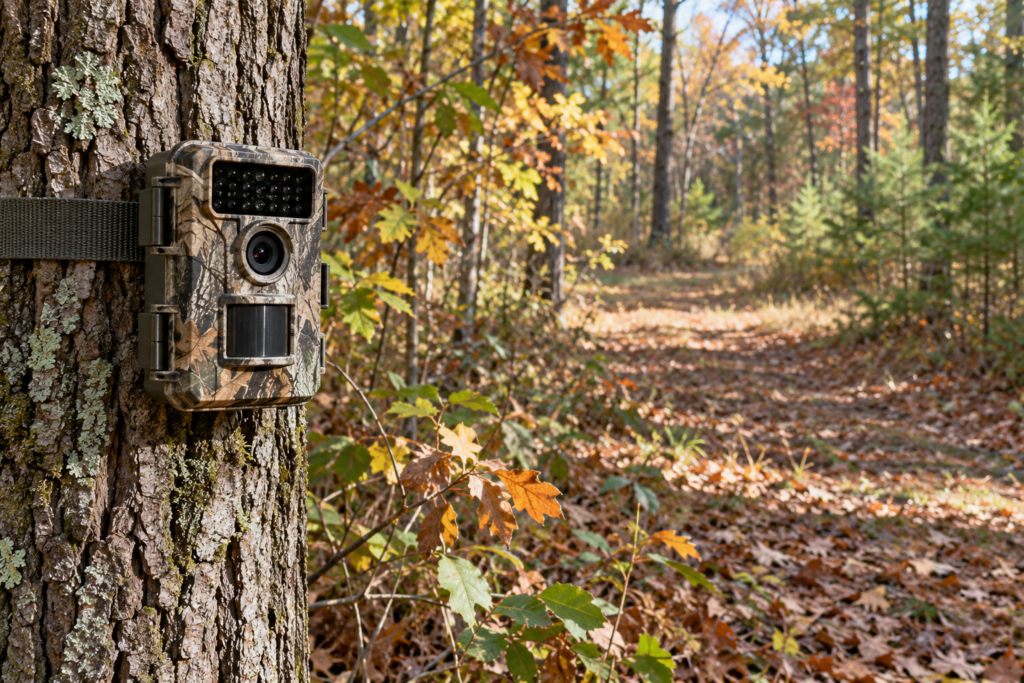
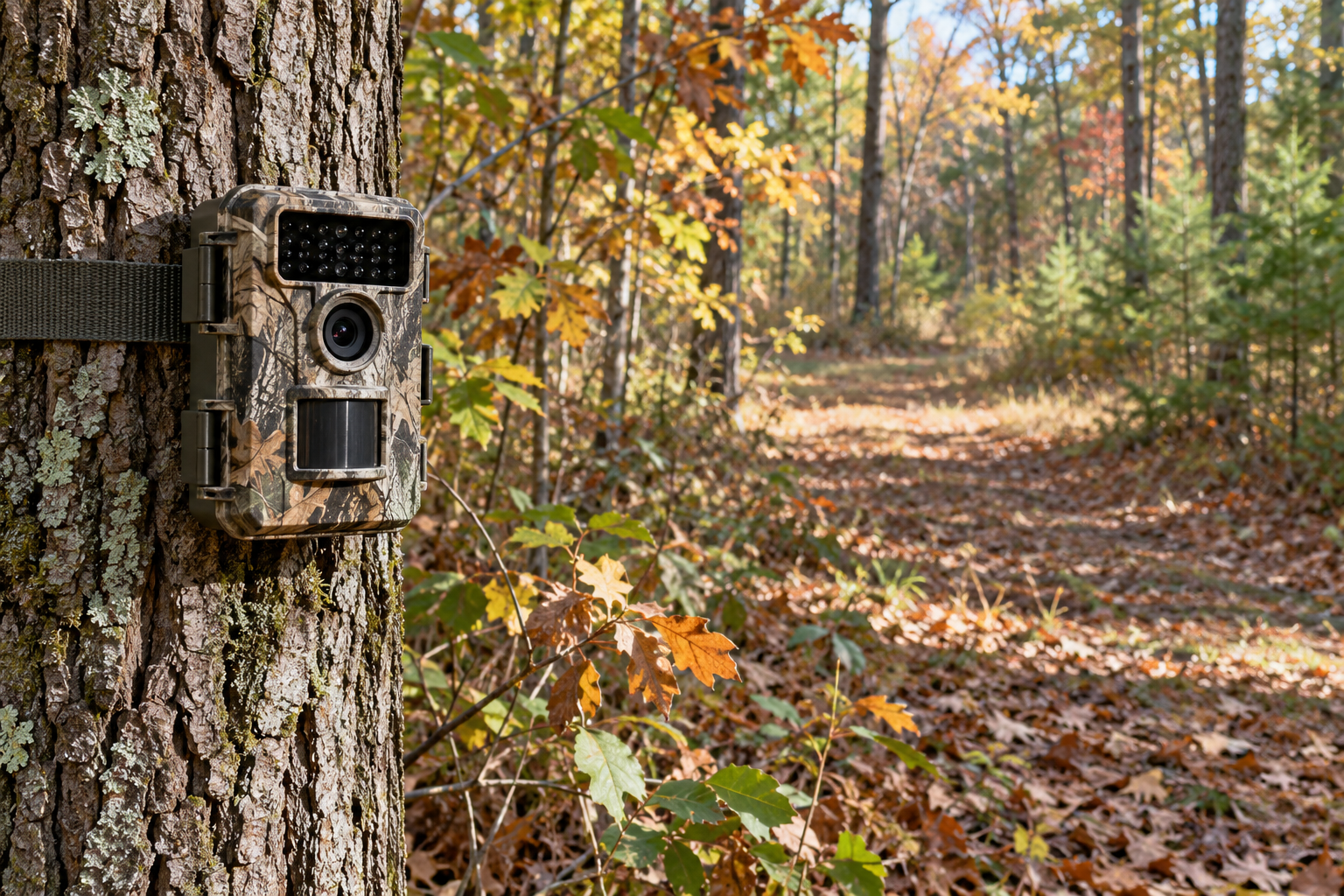
Quick verdict: Choose no-glow when reducing visible night illumination is a priority for your placement. A low-glow model can be sufficient when that subtle flash is not a concern and the camera otherwise meets your image needs. Compare actual night samples and settings rather than buying by the flash label alone.
Research-based buying guide; no hands-on testing is claimed. As an Amazon Associate, Time to Get Outside earns from qualifying purchases.
| Decision | How the options compare |
|---|---|
| Main appeal | No-glow infrared: Less visible night illumination Low-glow infrared: An infrared system that can show a low red glow |
| Check before buying | No-glow infrared: Useful image detail at the intended distance Low-glow infrared: Useful image detail at the intended distance |
| Avoid assuming | No-glow infrared: The entire camera becomes undetectable Low-glow infrared: A quoted range guarantees identifiable subjects |
Flash type describes one part of the camera
Browning distinguishes standard low-glow infrared from invisible or no-glow infrared. Its explanation notes that low-glow illumination can show a faint red glow when someone looks toward the emitters at night. That is the practical difference to consider before comparing the rest of the camera.
No-glow is not a promise that the device cannot be noticed, found or heard under any circumstances. The housing, placement and other behavior still exist. Choose the feature for reduced visible illumination rather than treating the label as a complete concealment guarantee.
Pay for night images that serve your purpose
Ask what you need to recognize in a nighttime image and at what distance. A broad detection or flash-range claim does not establish useful detail on a moving subject. Look for samples from the exact model and relevant settings, ideally with the conditions explained.
Do not assume every no-glow camera has worse images or every low-glow one has longer useful range. Sensor, illumination design, exposure settings and processing vary by product. A category-wide rule is a poor substitute for comparing the actual cameras under consideration.
Keep resolution and transmission separate
A high advertised megapixel figure does not settle night performance. Likewise, the image preview delivered by a cellular service may differ from a file stored locally. Check whether the sample you are judging represents the full-resolution file and the settings you intend to use.
Compare trigger behavior, storage requirements and power needs alongside flash type. A less visible illuminator adds little value if the camera’s normal capture routine misses the subjects you want. These are separate specifications rather than automatic benefits of paying for no-glow.
When the simpler choice is enough
For an accessible backyard wildlife camera where visible glow is not a recurring concern, a suitable low-glow model may be sufficient. Consider no-glow when reduced visible illumination addresses the placement and purpose you actually have. Avoid replacing a functioning camera before identifying what its current night images lack.
Canadian buyers should compare complete CAD costs with approved batteries and storage included. Check current manuals and local support for the exact generation. Spend for a camera whose real capture and ownership routine fits your needs, then decide whether the no-glow premium adds a benefit beyond the feature name.
Compare current U.S. and Canadian listings
These buttons open product searches, not guaranteed stock or fixed prices. Match the exact model, size, included accessories and seller before ordering. Canadian shoppers should compare the final cost in Canadian dollars, including any shipping or import charges.
Related buying guides
- Best Trail Cameras for Backyard Wildlife Watching
- Cellular vs SD-Card Trail Camera: Is Remote Photo Delivery Worth Paying For?
- Smart Bird Feeder vs Trail Camera: Which Is Better for Backyard Bird Photos?
Sources and research notes
Specifications and guidance checked October 15, 2026. Recommendations are editorial judgments based on the cited details and use cases; they are not independent performance measurements.