

Quick verdict: Choose a neck gaiter for most ordinary cold-weather walks: it protects the neck, can be pulled up over the mouth briefly and is easy to adjust or remove as you warm up. Choose a balaclava for colder, windier outings when you need one fitted piece covering your head, ears, neck and much of your face. Neither item should restrict your breathing, obscure your vision or replace appropriate cold-weather clothing.
Research-based buying guide, not an independent warmth or breathability test. As an Amazon Associate, Time to Get Outside earns from qualifying purchases through affiliate shopping links at no additional cost to you.
Featured photograph credit: Liam Ortiz / Pexels. Illustrative scarf and winter exposure, not either named product tested.
Compare winter face coverings:
Find winter neck gaiters on Amazon USA
Find winter balaclavas on Amazon USA
Find winter neck gaiters on Amazon Canada
Find winter balaclavas on Amazon Canada
Product-search links; check fabric, fit and face coverage on the selected listing.
The real difference is how much they cover
A neck gaiter is a tube of fabric worn around the neck, though some designs can be pulled over the lower face, nose, ears or even the top of the head. A balaclava is shaped to cover the head and neck, with an opening for the eyes or face. The difference becomes obvious when the wind picks up and your cheeks or ears feel unprotected.
REI’s cold-weather hiking guide advises covering exposed skin in freezing wind and specifically mentions neck gaiters or face masks for the nose and cheeks. Its winter camping guidance suggests a balaclava when a simple hat and face covering no longer provide enough protection. Those recommendations are about conditions and fit, not a claim that every balaclava is warmer than every gaiter.
Neck gaiter vs balaclava: which is practical?
| Need | Neck gaiter | Balaclava |
|---|---|---|
| Neck protection | Excellent when well fitted | Usually also covers neck |
| Head and ears | Often needs a separate hat | Usually covered in one piece |
| Adjusting for changing weather | Easy to pull down or off | More enclosing; some have convertible openings |
| Very cold wind | Limited face/head coverage by itself | Can protect more exposed skin |
| Glasses and goggles | Can fog lenses if pulled over nose | Fit and exhaled breath can also cause fogging |
Why a neck gaiter fits more everyday walks
When the temperature is cool rather than severe, a thin wool or moisture-wicking synthetic gaiter can fill the gap between your jacket collar and chin. You can pull it higher for a windy section and lower it for climbing a hill. That adjustability matters because overheating and sweat can leave you cold later when the pace drops.
It’s also a small purchase with more than one use. You can wear it while walking the dog, shoveling snow or watching a winter outdoor event. Pairing it with your existing warm hat may be more practical than buying full facewear for temperatures you rarely encounter.
Watch for a gaiter that is too tight around the neck or slips from your face each time you speak. A loose, very thin tube can be comfortable but may offer little meaningful wind protection on its own. An overly bulky gaiter can bunch beneath the jacket collar and feel irritating.
When a balaclava is the better choice
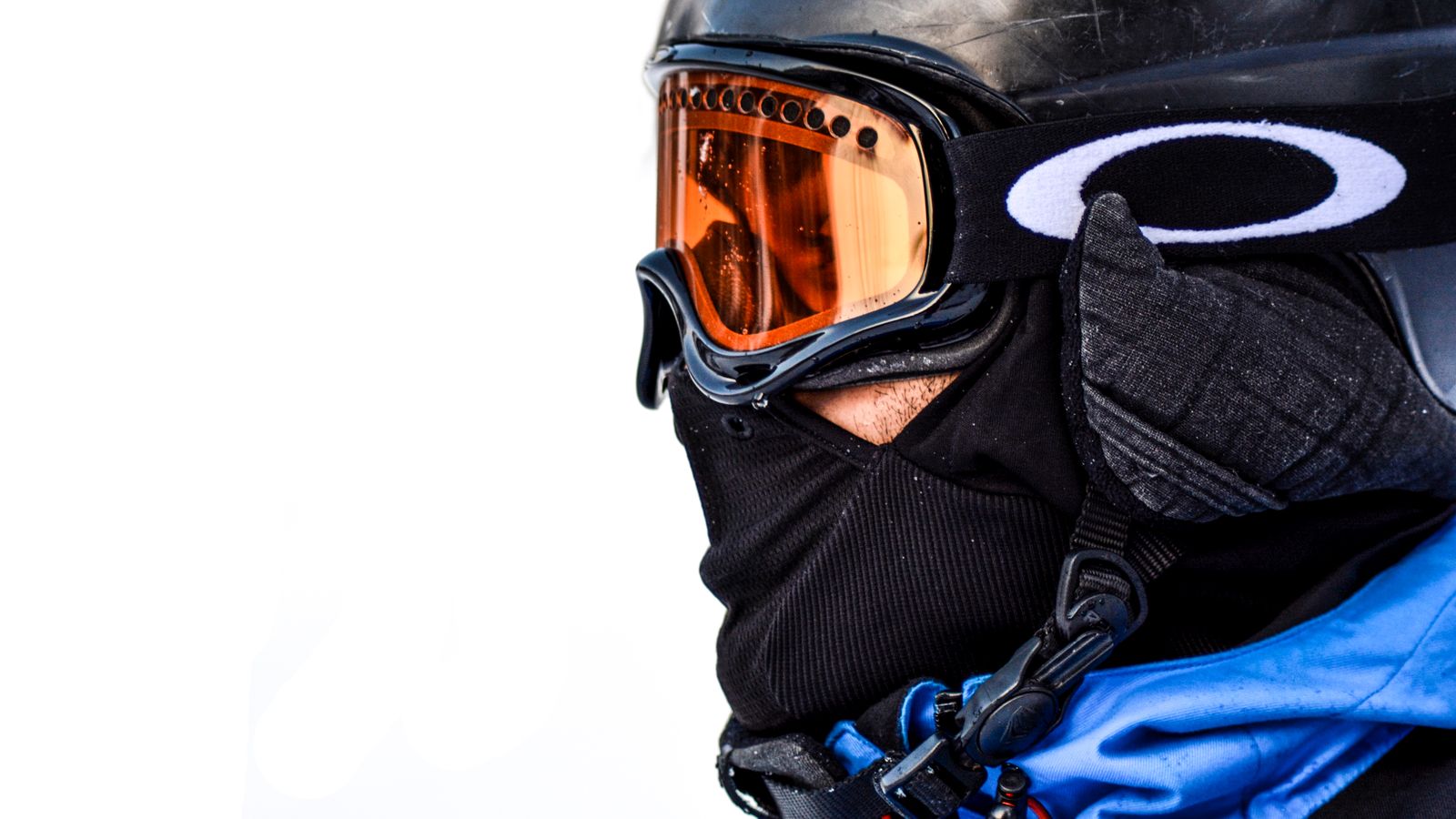
For a more exposed route with sustained wind, the shaped coverage of a balaclava can be useful. Ears, scalp and cheeks are vulnerable when the wind gets through the gaps between a hat and scarf. A well-fitted balaclava simplifies that combination by joining the head, neck and face coverage into one item.
But a balaclava is not automatically windproof just because it looks like a ski mask. Thin fabric may allow wind through, and heavy fleece may become sweaty on a brisk ascent. Compare actual material, panel construction, breathability and how the face opening can be adjusted. Choose a style compatible with your glasses or goggles if you wear them.
A face covering should never feel like an obstruction to breathing. If moisture from your breath accumulates, adjust or temporarily lower the fabric where safe to do so, and check for icing in severe weather. Visibility also matters: the eye opening must not interfere with your peripheral view of the trail.
Material matters more than the label
For walking, merino wool and many synthetic performance fabrics are common because they manage moisture more effectively than cotton. REI specifically warns that wet cotton dries slowly and can leave hikers chilled. A soft brushed fleece may feel inviting at rest but can hold too much heat during an uphill effort, depending on the construction.
Look for clear care instructions, comfortable seams and enough stretch to remove the covering without pulling hard on your ears. Some thin neck gaiters advertise UV protection for summer as well; do not assume those thin versions provide serious winter insulation. Likewise, a thick winter balaclava may not fit comfortably under a tight helmet without checking the exact use case.
Fogging glasses: a practical frustration
Moist exhaled air escaping upward can fog cold lenses. Facewear that sits high under glasses may make this worse. A comfortable nose contour and a way to direct air downward can help, though results depend on fit, temperature and your glasses. Try the combination outdoors near home before relying on it for a long day.
Neither face covering replaces appropriate protective eyewear when wind or snow creates a hazard, and a winter neck gaiter is not a substitute for a certified respirator.
Keeping warm is a whole-clothing decision
Face and neck covering are only part of the layering system. REI recommends moisture-managing base layers, insulation and a shell suited to wind and precipitation. Change layers early if you become sweaty. Carry a dry backup when conditions are severe enough that wet fabric would be difficult to tolerate.
Cold-weather injuries can occur on short local walks as well as long hikes. If skin becomes painfully cold, numb or changes appearance, stop and seek warmth rather than trying to solve the problem by pulling fabric tighter. If weather exceeds the protection of your gear, shortening the trip is the sensible choice.
Who should buy—and who should skip?
Choose a neck gaiter for ordinary winter walking, milder days, changing effort levels and anyone who already owns a comfortable winter hat.
Choose a balaclava for colder wind exposure when you need fuller head, ear and face protection. Check visibility, glasses compatibility and breathability.
Skip a new purchase if your existing hat and scarf adequately cover you and stay dry. Upgrading out of habit will not make a sheltered ten-minute walk better.
Final value recommendation
Neck gaiter for everyday flexibility; balaclava for more demanding weather. Fit is the deciding factor. There is no reason to pay extra for exotic fabric claims if a simple, well-made covering keeps you comfortable and lets you breathe and see normally.
Amazon USA and Canada shopping options
These affiliate buttons open product searches, not guaranteed stock, warmth measurements or fixed prices. Check the material, fit, washing instructions and face-opening design on each listing.
Related winter walking guides
Research and sources
Guidance checked November 9, 2026. Recommendations are based on established outdoor-clothing practices, not original laboratory measurements or personal gear testing.