
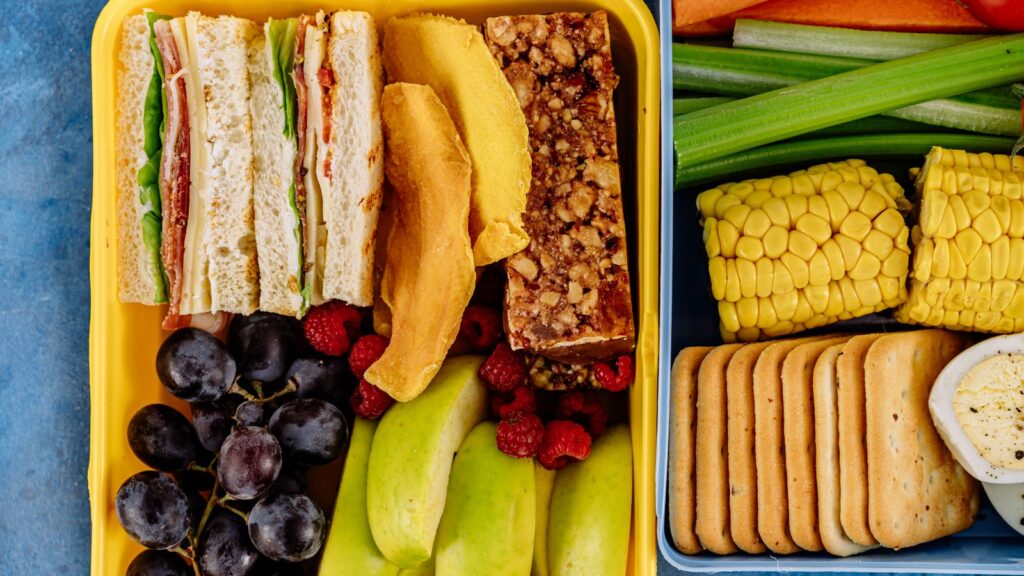
Quick verdict: For sandwiches, delicate fruit and anything that will be squeezed beneath drinks or an ice pack, a rigid food container is the safer first choice. For crackers, nuts, sliced vegetables and snacks that can tolerate a little pressure, a reusable silicone bag saves space and can be easier to pack. Neither option replaces a properly chilled cooler for perishable picnic food.
Research-based comparison, not a hands-on container test. As an Amazon Associate, Time to Get Outside earns from qualifying purchases made through affiliate shopping links, at no extra cost to you.
Featured photograph credit: Antoni Shkraba / Pexels. Illustrates rigid food containers; no specific product was tested.
Compare picnic food-storage options:
Find hard-sided picnic food containers on Amazon USA
Find reusable silicone food bags on Amazon USA
Find hard-sided picnic food containers on Amazon Canada
Find reusable silicone food bags on Amazon Canada
Product-search links; check dimensions, closure design and care instructions on the selected listing.
Start with the food, not the container
There is no single correct container for every picnic. A pre-made sandwich needs protection from compression, while a handful of trail mix can travel in almost any suitably clean food-safe bag. Watery fruit has different demands from dry crackers. And a homemade salad with chicken or cheese needs temperature control regardless of whether the outer package is silicone, steel or plastic.
Before buying, look at your three most common picnic foods. Are they wet, crumbly, fragile, oily, or bulky? Will the container be in a daypack, car trunk, cooler or bicycle basket? If you can answer those questions, the rigid-versus-flexible decision gets much simpler.
Rigid food box vs silicone bag: real differences
| What matters | Hard-sided container | Reusable silicone bag |
|---|---|---|
| Protecting delicate food | Resists crushing with a firm shell | Food can be compressed by heavier items |
| Pack space when empty | Retains its shape; some versions nest | Usually flattens or rolls |
| Liquid leakage | Depends on gasket and locking lid | Depends on exact closure and seal |
| Easy serving | Wide opening; can double as a dish | Better for pouring or grabbing snacks |
| Long-term use | Replace damaged or ill-fitting lids | Inspect seams and closures for wear |
Why a rigid container wins for sandwiches
A box can keep the bread from being flattened beneath a water bottle, and its firm walls help separate tomatoes, fruit slices or dip tubs from delicate food. A compartment-style box also stops items from mixing when you want crackers to stay crisp. In a crowded cooler, those protective walls matter even more.
Look for a lid that genuinely matches how you will carry it. A snap-lid box that is fine for dry sandwiches is not automatically suitable for soup, yogurt or dressing. If a manufacturer calls a container leak-resistant rather than leakproof, take that wording seriously. For high-liquid foods, carry the box upright in a secondary sealed bag until you have confidence in its seal.
The disadvantages are easy to miss in product listings: the box occupies the same space on the way home, it may not fit a shallow backpack pocket, and oversized boxes let food bounce around. Measure the inside dimensions of your bag and choose a size that fits the actual lunch rather than buying the largest set on sale.
Where a silicone bag makes more sense
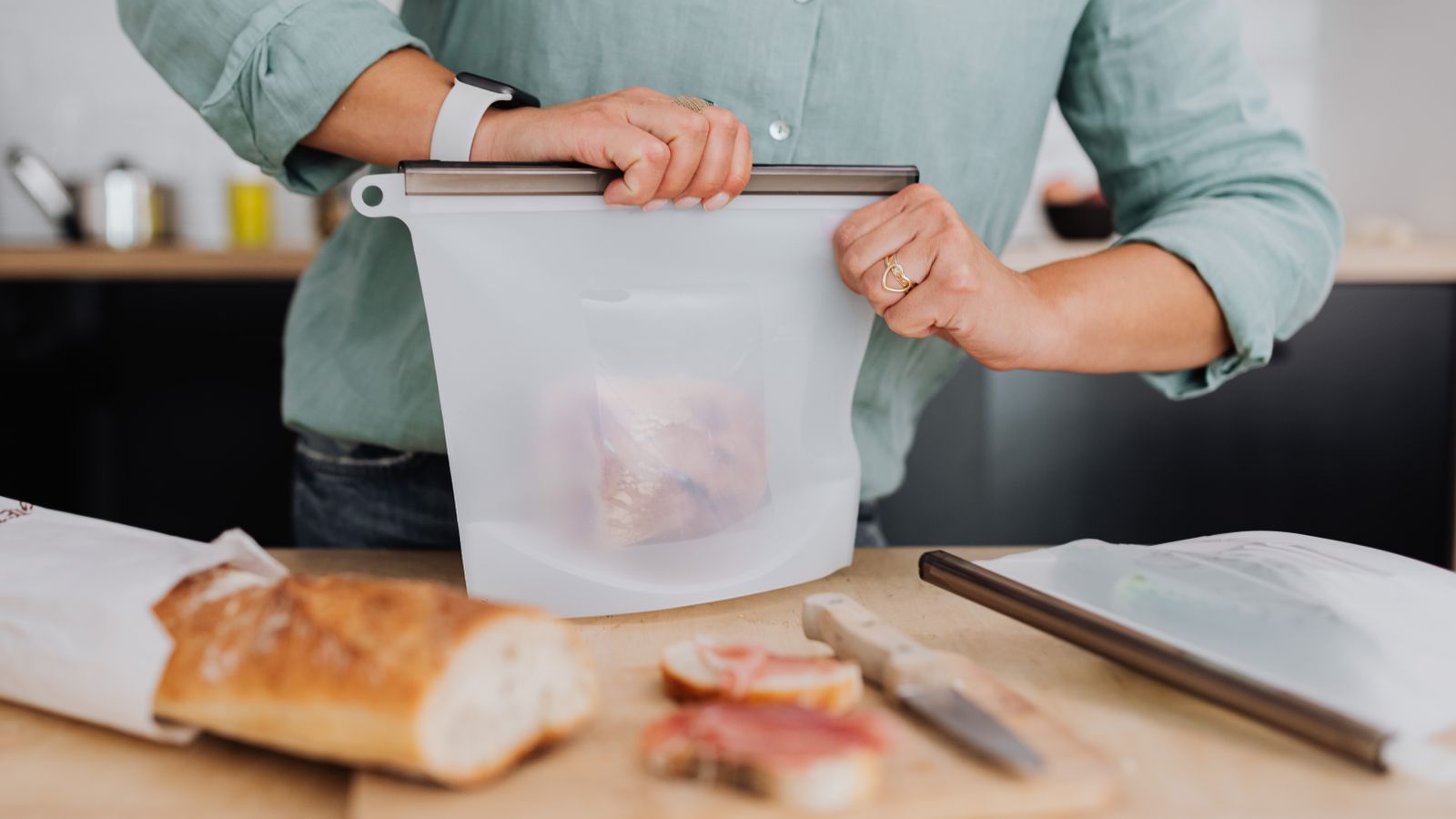
For nuts, pretzels, chopped carrots, dried fruit or a small wrap, a flexible reusable bag is convenient. It can occupy irregular gaps in a pack and folds away after the snacks are gone. Some bags stand upright when open, while others collapse; check the design rather than treating every silicone pouch as identical.
But flexible does not mean indestructible. A poorly closed edge can open in transit, and a full bag of grapes will not prevent them from being squashed. Look for a closure you can operate with clean hands at the picnic and a wide opening you can wash properly at home. Inspect for odors, discoloration, torn seals and residue in corners as the bag ages.
Product descriptions may call a bag oven-safe, freezer-safe or dishwasher-safe. Those claims depend on the exact product and temperature limits. Read the maker’s instructions before heating or freezing food in any reusable container, and never infer compatibility from its material name alone.
The food-safety point that matters more than either purchase
No food storage box or silicone bag keeps a chicken sandwich cold on its own. Health Canada advises using an insulated cooler with ice packs and maintaining perishable food at or below 4°C (40°F). On a hot day, bring it from the refrigerator straight to the cooler and keep the cooler shaded.
The CDC and FDA recommend refrigerating perishables within two hours, or one hour when conditions exceed 32°C (90°F). That is a maximum time outside temperature control, not an invitation to leave foods out until a timer expires. Foods that require refrigeration should stay properly chilled until serving.
Keep raw meats separate from ready-to-eat food, wash hands and clean food-contact surfaces. A bag that rolls up neatly cannot solve cross-contamination. It is also wise to pack wet foods inside a second barrier if leakage could affect other food or electronics.
Practical packing plans for three kinds of picnic
A quick park lunch
Put sandwiches or slices of quiche in one snug rigid box. Use a small silicone bag for grapes, crackers or nuts where appropriate. If cheese, meat or other perishables are included, keep them chilled during travel. You can often reuse containers already in your kitchen instead of buying a specialty picnic kit.
A long car trip and roadside stop
Choose boxes for crushable meals because the cooler may be loaded with drinks and ice packs. Fill spare spaces with flexible bags holding sturdy snacks. Keep ready-to-eat food separated from anything that could leak or drip. Remember that the cooler must be cold enough—not merely closed.
A light day hike
Space and weight now matter. A flat reusable bag can be ideal for a simple dry snack, while a small tough box is better for a meal that cannot be squashed. Carry back empty packaging and any litter; do not leave food scraps where animals may find them.
Who should buy which, and who should skip?
Choose a rigid container if your picnic usually includes sandwiches, cut fruit, vegetables with dips, pastry or food with delicate layers. A simple dishwasher-safe box with a properly fitting lid may be the best value.
Choose reusable silicone bags if the typical snack is robust, you value flat empty packing and you can wash and dry the bag carefully. Check intended food contact and cleaning instructions for each brand.
Skip buying either right now if the leak-free boxes or reusable bags you already own work well. The money may be better spent on a sound cooler or ice packs if your real problem is keeping food safely cold.
Value verdict
For most packed lunches, the rigid container is the first buy because it protects food from being crushed. A reusable silicone bag is a useful companion for snacks and space savings, not necessarily a replacement. You do not need a matching, expensive ten-piece picnic-storage set to pack one decent meal.
Compare USA and Canada shopping options
These affiliate buttons open category searches, not a promised offer or fixed price. Check the real product material, closure, use and cleaning directions, size, shipping and seller before buying.
Related outdoor guides
- Cooler tote vs insulated lunch bag for picnics
- Picnic food covers vs lidded containers: keeping insects away
References and research notes
Guidance checked November 9, 2026. Storage recommendations are based on food-safety authorities and practical handling, not measured product tests or claims that specific bags are leakproof.