
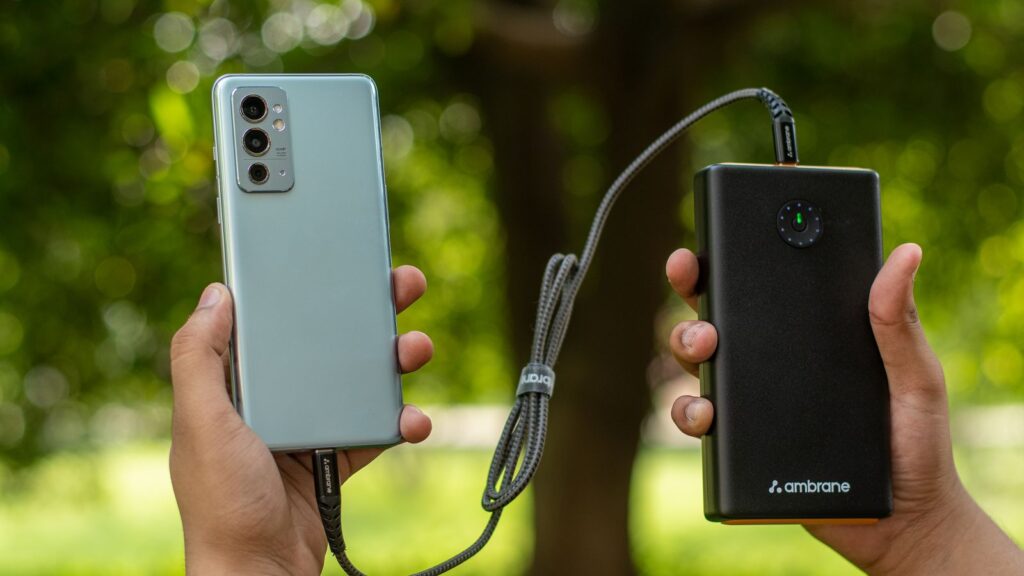
Quick verdict: A separate USB-C power bank is the more flexible buy for most hikers. You can use it with phones, earbuds and some other devices, and keep it when you replace your phone. A fitted battery case is convenient when you want fewer cables, but only if the case truly fits your exact phone model and does not interfere with charging, buttons or protection. On a short walk, you may need neither.
Research-based buying guide, not a hands-on battery test. As an Amazon Associate, Time to Get Outside earns from qualifying purchases. The affiliate shopping links may earn a commission at no additional cost to you.
Featured photograph credit: Debraj Roy / Pexels. Illustrative charging scene, not a test of a named product.
Compare hiking power options:
Find 10,000 mAh USB-C power banks on Amazon USA
Find compatible phone battery cases on Amazon USA
Find 10,000 mAh USB-C power banks on Amazon Canada
Find compatible phone battery cases on Amazon Canada
These searches do not establish compatibility. For a battery case, add your exact phone model and verify the listing before ordering.
Why phone power matters on a day hike
Your phone may be your trail map, camera, journal and way to contact someone. Using GPS, recording video and keeping a bright screen on can consume its battery much faster than leaving it in your pocket. Cold temperatures can also reduce usable battery performance temporarily. A backup charging method helps, but it is not a substitute for a map, route plan or knowing how to turn back safely.
For a local walk with a fully charged phone and reliable battery health, spending more on emergency power may not make sense. For a whole day of navigation, photography or an unfamiliar route, a compact portable charger becomes much easier to justify.
Power bank versus fitted battery case
| Question | Separate power bank | Battery case |
|---|---|---|
| Device compatibility | Works with supported ports and protocols on several devices | Usually made for one phone model or family |
| Carry method | Separate item plus cable in most setups | Battery stays attached to phone |
| Next phone upgrade | Often reusable | May no longer fit |
| Charging options | Some charge multiple devices or support USB-C PD | Usually focused on its fitted phone |
| Hand feel | Phone stays normal sized when disconnected | Adds weight and bulk to the phone all the time |
Why the power bank usually wins
With a modern USB-C power bank, one device can help charge a phone, headphones and compatible camera accessories. You are not buying a new battery enclosure every time the phone’s camera bump or body dimensions change. The bank can also stay in the daypack while the phone comes out for a quick photograph.
But don’t purchase based only on a huge milliamp-hour number. Battery capacity in mAh depends on the voltage at which it is measured, while real phone charging also loses energy to conversion, cables, heat and the phone’s own activity. A 10,000 mAh bank does not promise to charge every 5,000 mAh phone exactly twice. Look for reputable capacity specifications, watt-hour rating where supplied, and real USB output capability.
A compact 10,000 mAh class charger is a practical starting point for day hikes where one phone needs a reserve. Larger banks can make sense for camping or multiple devices but may weigh enough to be annoying on a short walk. Always confirm whether the model and cable actually support the charging speed your device can use.
When a battery case makes sense
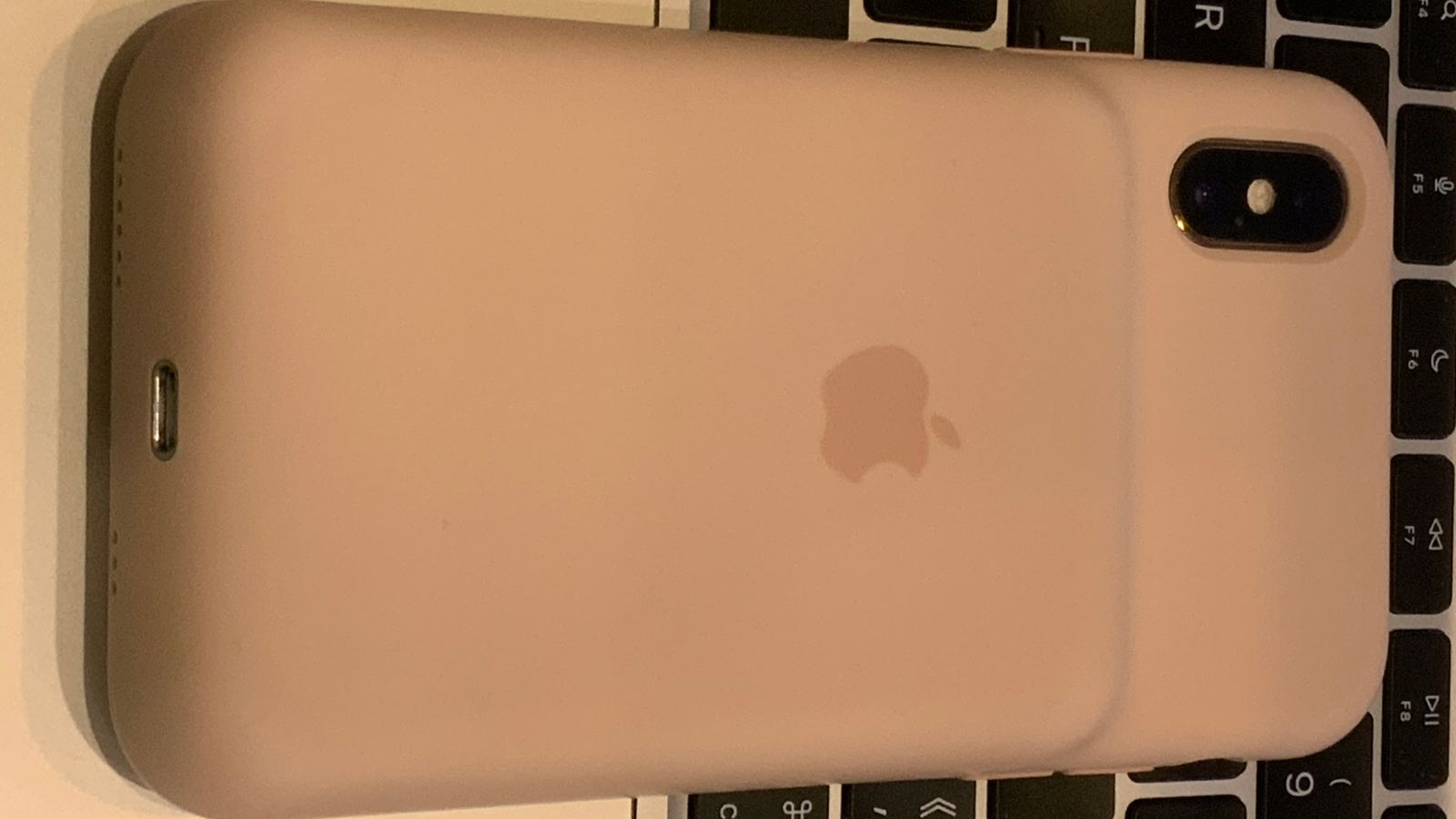
A fitted battery case can be convenient for frequent phone users who dislike cables dangling from pockets. With the battery permanently attached, a quick photo or map check does not require reconnecting a plug. But that convenience means living with extra size and weight whenever you carry the phone, even after the battery has emptied.
Compatibility is the big hurdle. Cases must fit the phone’s exact dimensions, port, camera bump and often its button placement. A case sold for the previous generation may not fit safely. Some products advertised as battery cases are actually magnetic external battery packs: they attach to a supported phone but do not wrap around it as a protective fitted case. Compare the actual construction rather than the category name in a marketplace listing.
Also check whether charging the case and phone uses the expected port, whether the case supports pass-through charging, and whether it conflicts with your preferred protective case, vehicle mount or wireless charging setup. A case that solves a battery worry but makes your phone awkward to hold may be poor value for hiking.
What to check before buying a charger
- Charging port: Check whether your phone accepts USB-C or another connector, and whether the bank needs a separate cable.
- Output rating: Match the charger’s USB-C Power Delivery or other supported protocol to your phone rather than assuming all USB-C devices charge equally fast.
- Capacity: Compare watt-hours or actual rated output energy where possible, not marketing promises of an exact number of phone recharges.
- Weight and pack fit: Think about where it will sit in your daypack, and how you will avoid stressing a connector while walking.
- Weather and heat: Keep ports dry, follow the maker’s operating and charging temperature limits, and never leave lithium batteries baking in a hot car or in a wet pack.
- Condition: Do not use a battery pack that is swollen, leaking, damaged or overheating. Use a trustworthy charger and suitable cable.
Does either option keep you safe off-grid?
A spare charger can keep a functioning phone running longer, but it does not create cell service, guarantee an emergency call or turn an ordinary smartphone into a dedicated satellite communicator. Download your maps before leaving reception, tell someone where you are going, and carry an independent navigation plan for remote trails.
For a long and isolated route, a dedicated satellite messenger may be appropriate depending on its features, coverage and subscription. That is a different decision from which portable charger you buy. Battery power supports your plan; it cannot replace it.
Flying to a hiking destination?
Power banks and spare lithium batteries normally belong in carry-on baggage rather than checked luggage. FAA PackSafe guidance provides the detailed rules, including the normal 100-watt-hour threshold and stricter provisions for larger batteries. Airline and international rules can vary, so verify with the carrier before travelling. A battery case can contain a lithium battery too; do not assume its shape exempts it.
Who should buy what—and who should skip?
Choose a USB-C power bank if you hike with more than one rechargeable device, replace phones periodically or want to leave the phone light in your hand. This is my default recommendation for most walkers.
Choose a fitted battery case if a reputable maker sells a fully compatible model for your exact phone and cable-free convenience outweighs permanent bulk.
Skip both for now if your walk is short, your phone battery is healthy and you already have a charger that works. Reuse what you own, or replace a degraded phone battery through an appropriate service channel before piling accessories onto the problem.
Final winner and value
A small, reputable USB-C power bank wins for ordinary day hiking. It offers more reuse, fewer compatibility surprises and better flexibility as your gear changes. A fitted case is a niche convenience choice, not a universal upgrade. Do not buy oversized capacity simply because the advertised number looks impressive.
Compare shopping options in the USA and Canada
The buttons below open affiliate category searches, not guaranteed specific listings or real-time prices. Check the exact phone and cable compatibility, energy rating, seller, warranty and operating conditions before ordering.
Related outdoor charging and safety guides
- Solar charger vs power bank: what makes sense for camping?
- Satellite messenger vs smartphone for remote hiking safety
Sources and research
Guidance checked November 9, 2026. This is a specifications-and-use-case comparison; no independent battery run-time or ruggedness testing is claimed.