
Affiliate disclosure: Time to Get Outside may earn commissions from qualifying Amazon purchases at no additional cost. This article is research-based, not a claim of hands-on testing. Editorial image is AI-generated.
Quick verdict: A waist pack keeps essentials accessible independently of a backpack; a shoulder pocket is tidier when you always carry the same pack.
Good outdoor gear should solve problems on trips you actually take. Compare the useful benefits and the limits before choosing an upgrade.
Where the first option excels
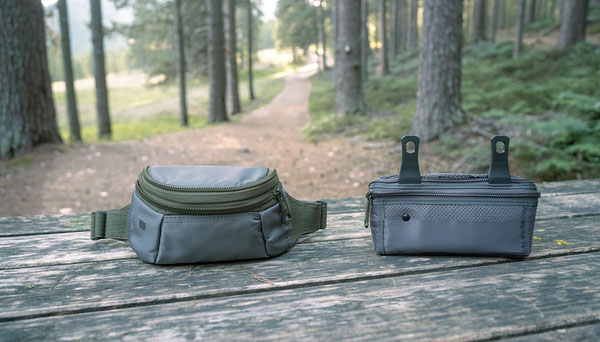
Waist packs work for snacks, phone and keys, but belt movement can rub during long climbs.
Why the alternative may be better
Strap pockets keep small items near the chest without a second belt; compatibility with shoulder straps is often limited.
Checks before ordering
Measure phone dimensions, zipper access, bounce, pack strap fit and weather protection.
Check the current manufacturer’s specifications, warranty, suitability for your gear, practical user reports and local availability. The cheapest option is not automatically the worst, and higher prices require a real reason.
Drawbacks and safety
Do not carry heavy objects loosely where they interfere with balance or movement.
Who should buy and who should skip?
Choose the option that removes a repeated inconvenience. Skip unnecessary extras if they add cost or packing weight without improving your actual experience.
Final winner
Choose a waist pack for independent short outings and a fitted strap pocket for dedicated hiking packs.
Other Time to Get Outside guides
- Firewood Carrier vs Storage Tub for Car Camping
- Crampon Storage Bag vs Protective Pouch for Winter Traction Gear
- Hand Coffee Grinder vs Pre-Ground Coffee for Camping
Shop on Amazon USA
See lightweight hiking waist pack on Amazon USASee backpack shoulder strap accessory pocket on Amazon USA
Shop on Amazon Canada
See lightweight hiking waist pack on Amazon CanadaSee backpack shoulder strap accessory pocket on Amazon Canada