
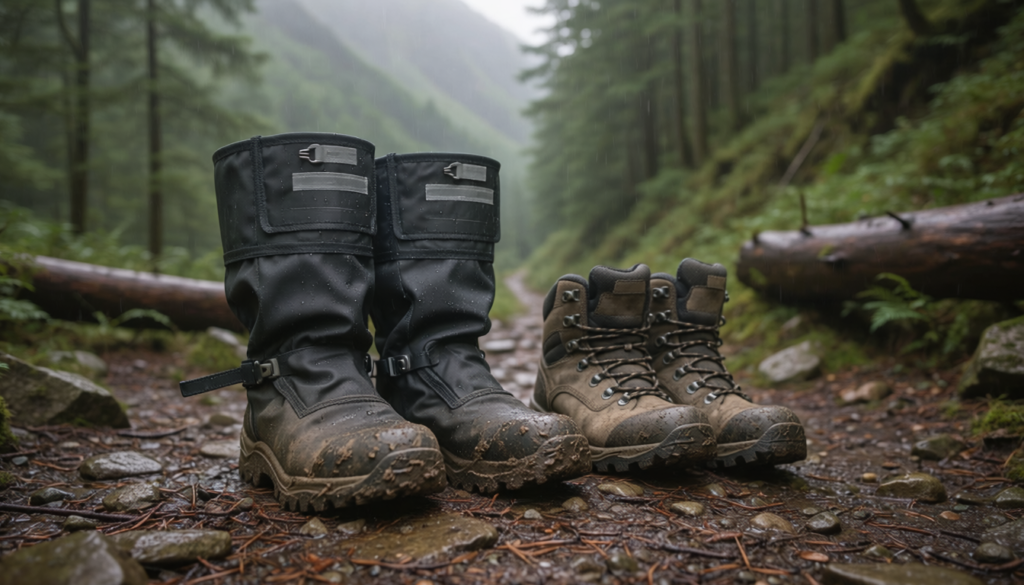
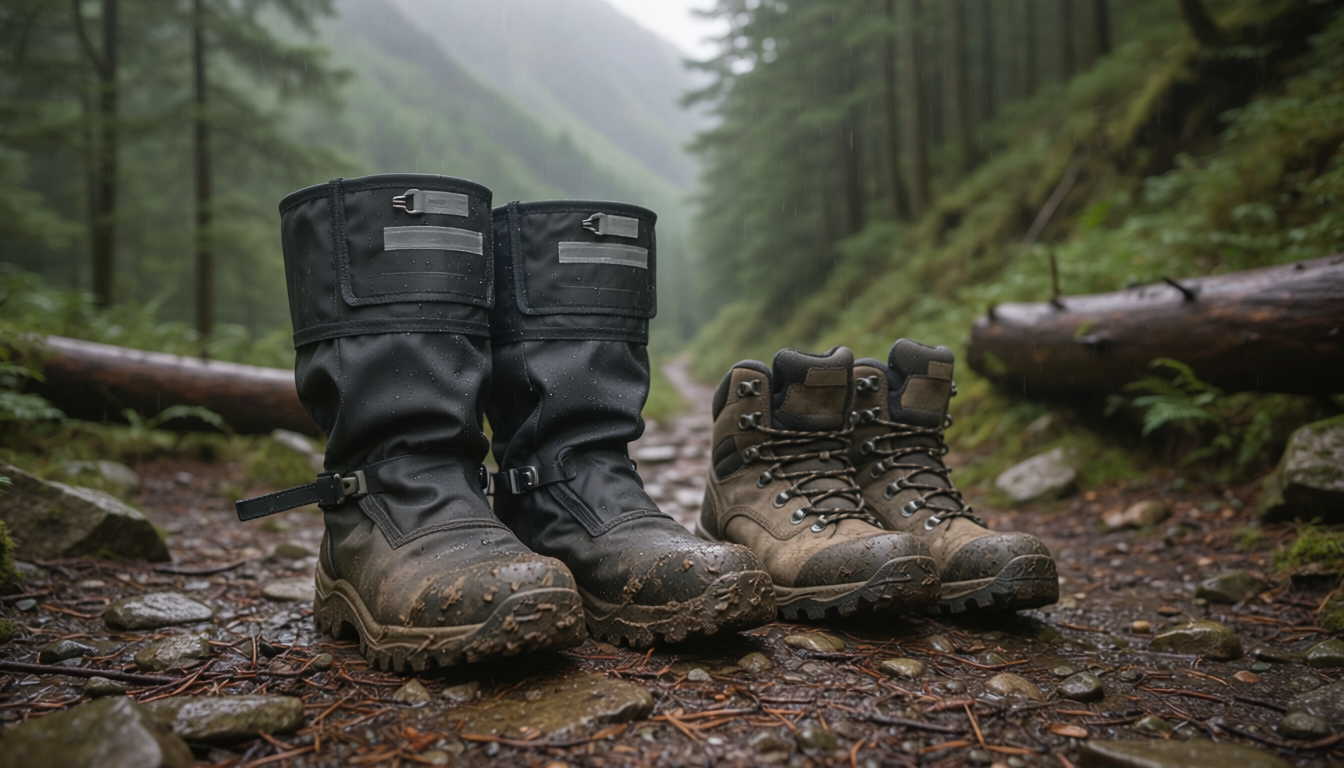
Quick verdict: Choose short gaiters for debris around the shoe opening when you do not need calf coverage. Choose taller gaiters for conditions that put snow or wet brush farther up the leg. Match the closure, footwear fit and fabric to the job; height alone does not establish waterproofing.
Research-based buying guide; no hands-on testing is claimed. As an Amazon Associate, Time to Get Outside earns from qualifying purchases.
| Decision | How the options compare |
|---|---|
| Coverage | Short gaiters: Shoe opening and lower ankle area Tall gaiters: Higher ankle and calf area |
| Typical priority | Short gaiters: Keeping grit and small debris out Tall gaiters: Additional coverage in snow or wet brush |
| Main compromise | Short gaiters: Little protection farther up the leg Tall gaiters: More fabric, warmth and adjustment |
| First fit check | Short gaiters: Attachment works with your shoe Tall gaiters: Calf closure fits over your normal trousers |
Match the height to where material gets in
A gaiter sits around footwear and part of the lower leg. Its useful job depends on the conditions: grit around a shoe opening is different from deep snow or water-bearing vegetation brushing the calf. Paying for maximum height is unnecessary if the problem stays at ankle level.
REI’s gaiter guide distinguishes lower styles from knee-height designs for more demanding coverage. It also separates fabric and weather characteristics. A tall stretchy trail gaiter and a tall waterproof mountaineering gaiter should not be treated as interchangeable.
When a short gaiter is enough
Short gaiters are worth considering for dry paths, gravel and loose debris that would otherwise enter above the shoe. They can keep the setup relatively small when you do not need extra material around the calf.
Check how the gaiter attaches. Some designs depend on a compatible shoe feature; others use an underfoot strap or a different rear attachment. A gaiter that fits your ankle but will not stay attached to your footwear does not solve the problem.
When tall coverage earns the upgrade
A taller design makes more sense when snow or wet brush regularly reaches above a short gaiter. It can also provide more coverage around the trouser cuff. Choose a model intended for the actual conditions rather than assuming extra height means extra weather protection.
Try it over your normal trousers and footwear. The calf closure should stay secure without uncomfortable pressure. If you use bulky winter boots, inspect the fit around the instep and heel as well as the top opening.
What gaiters cannot promise
They do not turn a permeable shoe into a waterproof boot, and they do not create a sealed system for wading. Water can still enter through unsuitable footwear or an opening above the gaiter. Choose the overall footwear system around the route.
Do not confuse gaiters with traction equipment or insulation. They can cover part of a boot without providing the grip or warmth you need. For Canadian winter outings, select those parts of the kit independently instead of expecting taller fabric to solve every cold-weather problem.
Check the details before comparing prices
Inspect fasteners while wearing gloves if that is how you will use them. Look at the underfoot strap’s routing and whether replacements are available. Keep left and right orientation and front closures consistent with the instructions.
Compare breathable construction, stated waterproofing and durability against the likely wear. A heavy design may be useful around rough equipment while feeling excessive for a gentle summer walk. A lighter fabric may be comfortable but unsuitable where abrasion is the main challenge.
Final buying recommendation
Buy short for a low-level debris problem and tall for genuinely higher coverage needs. Spend on a secure footwear fit and the right fabric first. Skip the upgrade if the gaiters you own already keep unwanted material out without rubbing, slipping or making the walk unnecessarily uncomfortable.
Compare current U.S. and Canadian listings
These buttons open product searches, not guaranteed stock or fixed prices. Match the exact model, size, included accessories and seller before ordering. Canadian shoppers should compare the final cost in Canadian dollars, including any shipping or import charges.
Related buying guides
- Best Hiking Gaiters for Mud, Gravel and Wet Trails
- Hiking Gaiters vs Waterproof Boots: What Keeps Feet Drier?
- Snow Gaiters vs Trekking Pole Snow Baskets: What Matters?
Sources and research notes
Specifications and guidance checked October 15, 2026. Recommendations are editorial judgments based on the cited details and use cases; they are not independent performance measurements.