
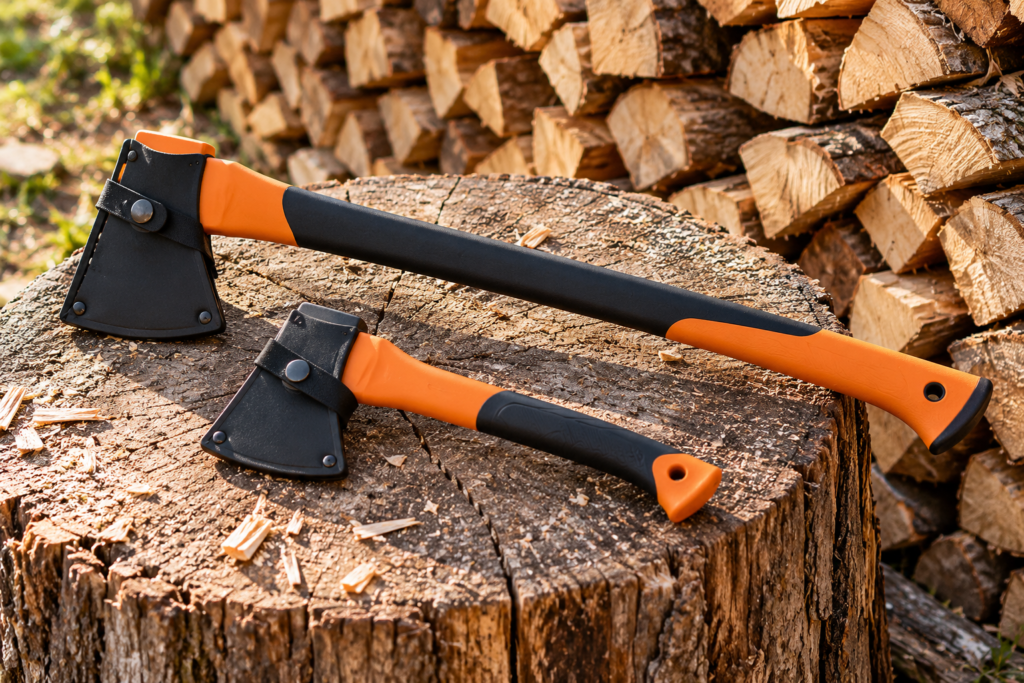
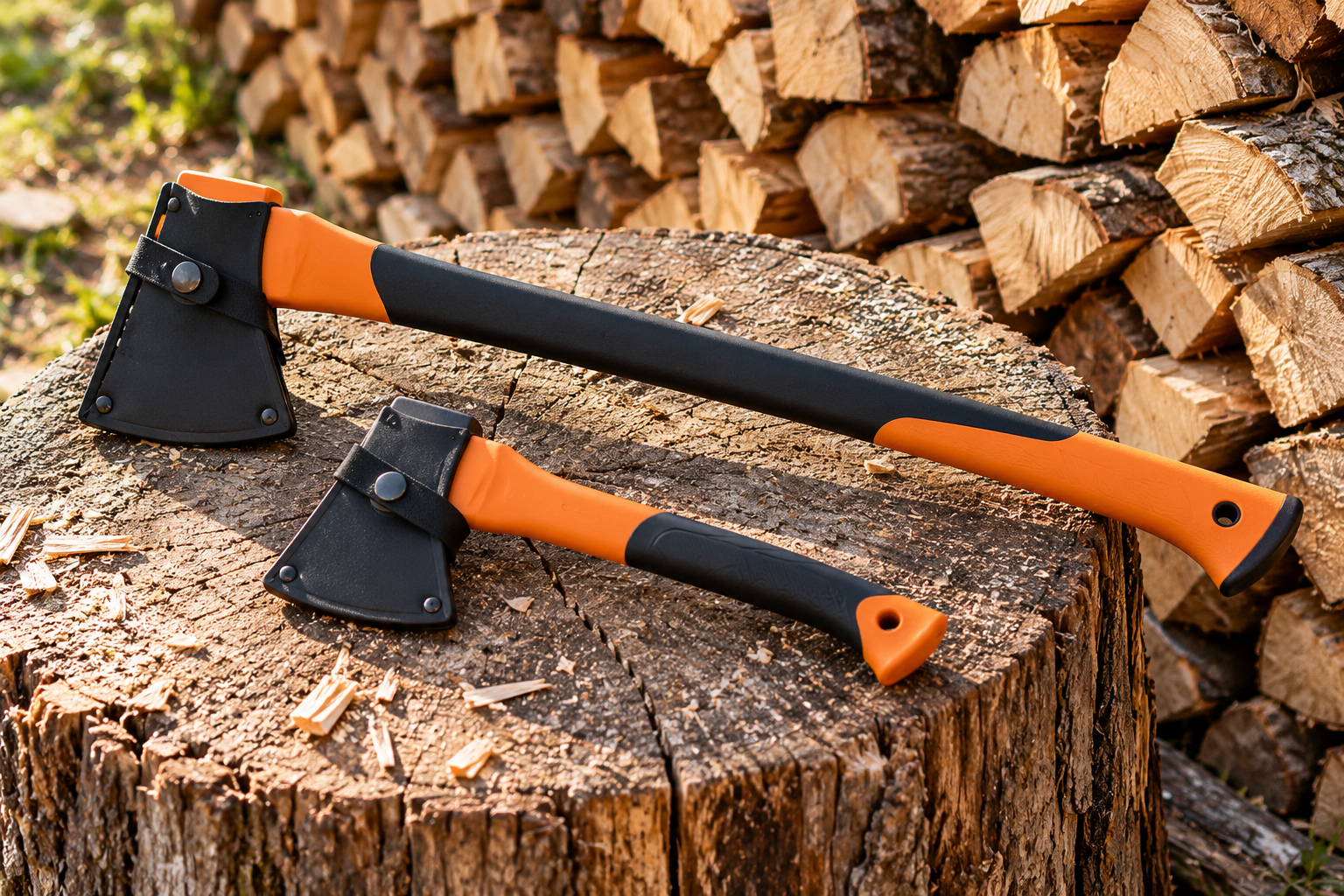
Quick verdict: Choose the compact X7 when a hatchet suits your permitted campsite wood tasks. Choose X11 when splitting suitable small logs is the actual job. If you buy prepared firewood and need neither tool, keeping both off the packing list is the better value.
Research-based buying guide; no hands-on testing is claimed. As an Amazon Associate, Time to Get Outside earns from qualifying purchases.
| Decision | How the options compare |
|---|---|
| Compared format | Fiskars X7: 14-inch hatchet Fiskars X11: 17-inch splitting axe |
| Buying emphasis | Fiskars X7: Compact general hatchet tasks Fiskars X11: A head and handle intended for splitting |
| Skip when | Fiskars X7: Prepared wood already meets your needs Fiskars X11: Splitting is not part of the trip |
Choose the wood task before the tool
Fiskars distinguishes general chopping tools from splitting axes because their heads are intended for different jobs. X7 and X11 should therefore be compared by purpose before handle length or price. A small splitting axe is not simply a more expensive version of a compact hatchet, and one tool does not replace every other wood-processing option.
For many car-camping trips, purchased prepared firewood removes the need for either. Check what the campsite supplies and allows before buying. Carrying a tool for an imagined future task is poor value when it adds weight, storage requirements and another item to maintain without solving a regular need.
When X7 makes more sense
The X7 discussed here is the 14-inch hatchet format. Its compact size is the attraction when an appropriate general hatchet belongs in your permitted wood-preparation kit. Judge how it fits your storage, transport cover and intended work instead of assuming a smaller tool is automatically suitable for any log.
If most of the campsite wood is already sized for the fire, consider whether a separate cutting or splitting tool is useful at all. Our folding-saw comparison covers a different job, and it may be more relevant when an appropriate saw is what the planned task calls for. Buy around a known requirement.
When X11 earns the larger package
The compared X11 is a 17-inch splitting axe. Its purpose matters more than the extra three inches of nominal length: the splitting-oriented head is the reason to investigate it for suitable small-log work. That does not establish a universal log size or guarantee a one-strike result in every wood species and condition.
Look at the manufacturer’s current model guidance and the actual product being sold. Regional naming and newer axe ranges can make a photograph or broad X-Series label insufficient. Confirm model, supplied cover and condition before comparing the complete purchase with a compact hatchet.
Ownership cost includes storage and care
A useful comparison includes the tool, the correct protective cover and the space where it will be transported. Check the manufacturer’s care and use instructions for the specific model. A discounted bare tool is not automatically the cheapest complete setup if the correct cover or other necessary items must be purchased separately.
My recommendation is X7 for a genuinely compact hatchet requirement and X11 for a genuine small-log splitting requirement. Keep both off the list when prepared wood already meets the trip’s needs. Compare current Canadian-dollar checkout totals and buy the tool for its intended job, without treating a higher price or a longer handle as an automatic upgrade.
Compare current U.S. and Canadian listings
These buttons open product searches, not guaranteed stock or fixed prices. Match the exact model, size, included accessories and seller before ordering. Canadian shoppers should compare the final cost in Canadian dollars, including any shipping or import charges.
Related buying guides
- Folding Camp Saw vs Hatchet: What Is More Useful for Camping?
- Firewood Carrier vs Storage Tub for Car Camping
- Fire Starter Cubes vs Ferro Rod for Camping
Sources and research notes
Specifications and guidance checked October 16, 2026. Recommendations are editorial judgments based on the cited details and use cases; they are not independent performance measurements.