
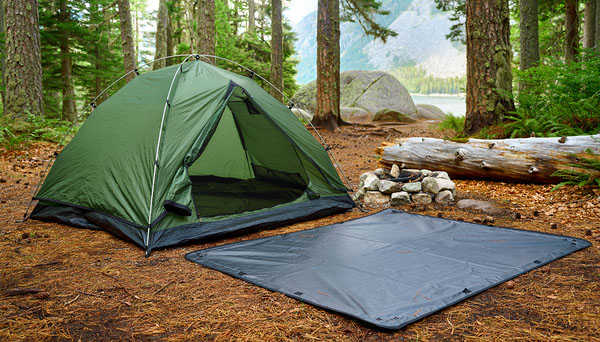
Quick verdict: Pay extra for a darker tent if early daylight regularly ends your sleep. Choose a standard tent when ventilation, packed size or price matters more; a darker fabric is not air conditioning.
Research-based buying guide; no hands-on testing is claimed. As an Amazon Associate, Time to Get Outside earns from qualifying purchases.
| Decision | How the options compare |
|---|---|
| Main benefit | Dark Room tent: Reduced incoming light, depending on model Standard tent: Wider choice of designs and budgets |
| Best buyer | Dark Room tent: Car camper sensitive to dawn light Standard tent: Camper who wakes early or can use an eye mask |
| Compare first | Dark Room tent: Ventilation and exact darkening claims Standard tent: Rainfly, mesh and usable bedroom dimensions |
What the premium actually buys
Coleman’s Canadian Dark Room Skydome listing says its technology blocks 90% of sunlight and reduces heat compared with a comparable Coleman tent. That is a claim about a particular product comparison, not a universal rating for every tent marketed as dark, blackout or light-blocking. Check the exact model and whether the treatment covers the sleeping area you intend to use.
For a family staying several nights in one campground, less morning light can be a meaningful comfort upgrade. It does not promise an extra hour of sleep: birds, neighbouring campers, temperature and your own routine still matter. Someone who naturally gets up at sunrise may gain very little from the feature.
When the cheaper tent is enough
If daylight is the only problem with a tent you already like, try a comfortable sleeping mask before replacing the shelter. That small purchase keeps your existing ventilation, familiar setup and storage arrangement. It is less useful if you dislike wearing anything over your eyes or want a darker shared bedroom for several people.
A standard tent also makes sense when the alternative darkened model compromises something you need every day. A larger usable floor, two convenient doors or a better wet-weather entrance can matter more than a marketing percentage. Compare complete tents rather than treating fabric darkening as the whole buying decision.
Check airflow before you choose
Look at mesh panels, adjustable vents and how the rainfly sits over them. A tent can feel unpleasant in direct sun even when its interior is darker. Shade, weather and campsite exposure still influence comfort. Do not interpret a reduced-heat claim as a guarantee that the tent will stay cool enough for an unattended child or animal.
Dark fabric can also make sorting gear less convenient. Think about your bedtime routine, whether you can locate the door easily and where a lantern will hang without touching the fabric. Check whether windows can admit useful light when you want it, rather than assuming every panel operates independently.
What to compare at checkout
Use the same sleeping capacity, approximate floor area and pole style when comparing prices in Canadian dollars. Add a footprint only if it is needed and not included. Check the packed dimensions against your vehicle space; a useful sleep feature is poor value if the resulting bag becomes awkward to transport.
My buying preference is to keep the standard tent unless dawn light is a recurring complaint. Pay the premium once the darkened model also meets your requirements for airflow, rain coverage, access and room for your actual sleeping mats. The better purchase fixes a known problem without creating a new one.
Compare current U.S. and Canadian listings
These buttons open product searches, not guaranteed stock or fixed prices. Match the exact model, size, included accessories and seller before ordering. Canadian shoppers should compare the final cost in Canadian dollars, including any shipping or import charges.
Related buying guides
- Dome Tent vs Cabin Tent: Which Is Better for Car Camping?
- Two-Person vs Three-Person Tent for Two Adults: Is the Extra Room Worth It?
- Rechargeable Tent Fan vs Battery Fan for Summer Camping
Sources and research notes
Specifications and guidance checked October 15, 2026. Recommendations are editorial judgments based on the cited details and use cases; they are not independent performance measurements.