Disclosure: As an Amazon Associate, Time to Get Outside earns from qualifying purchases. Panel output, battery features, accessories, availability and prices can change.
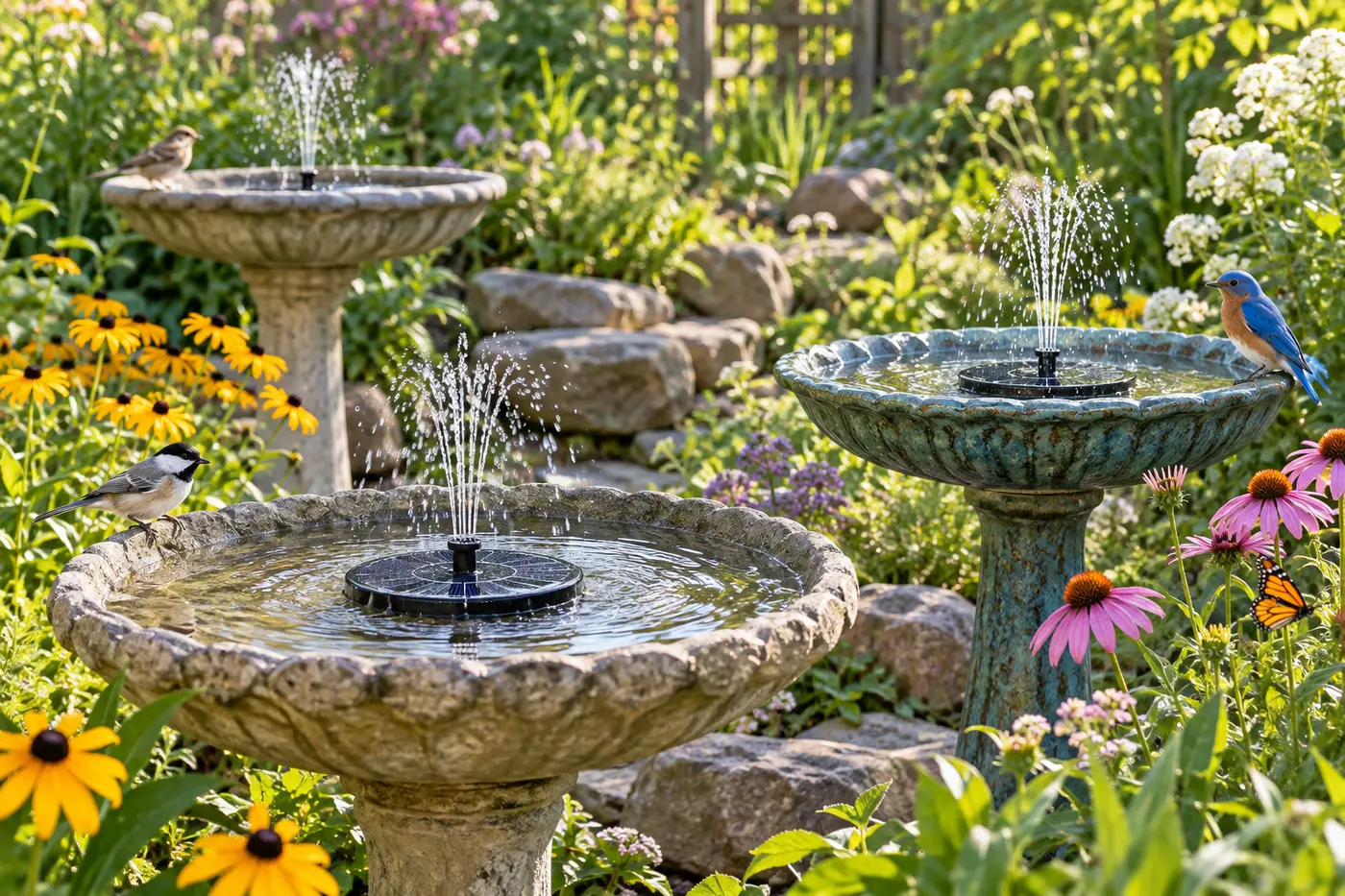
A solar fountain adds movement and sound to an existing bird bath without running a permanent electrical cable. The best choice depends on direct sunlight, basin size and how often you are willing to clean a small pump.
Gentle water movement is more useful than a dramatic spray that empties the bowl. These picks cover flexible panel placement, easy floating use, budget entry and battery-assisted operation.
Affiliate disclosure: This post contains affiliate links. If you buy through one of them, Time to Get Outside may earn a commission at no extra cost to you.
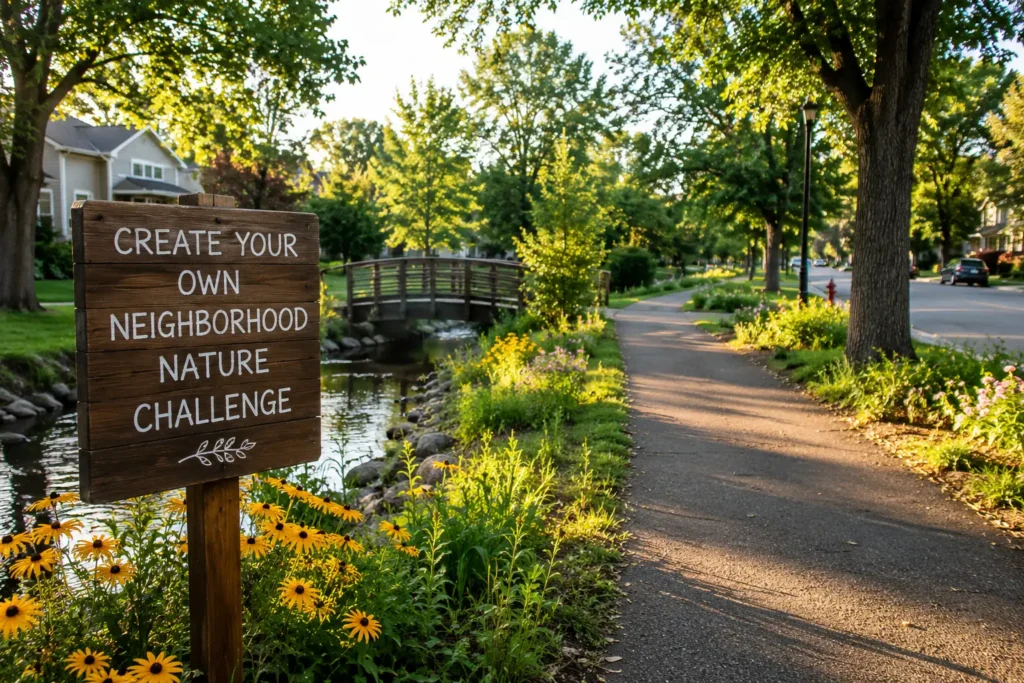
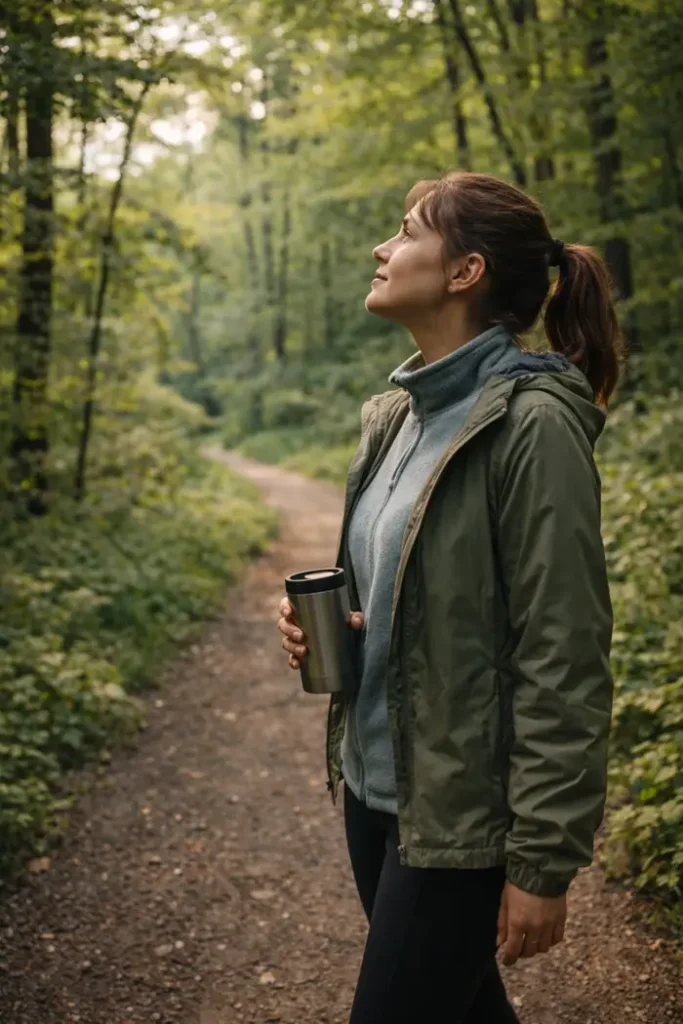
Sometimes all it takes to make a walk more interesting is having a simple mission. Instead of counting steps or worrying about distance, give yourself something to notice.
You might be surprised by how much nature is hiding in plain sight. If you want another easy local adventure, try our Park Passport Challenge.
Try This Neighborhood Nature Challenge
On your next walk, see if you can find:
Five different bird species
Three butterflies or other pollinators
An interesting flower or plant
A tree you have never really noticed before
One small detail that would normally escape your attention
You do not have to finish the list in one outing. The point is to slow down and look around. If bird and wildlife spotting becomes part of the fun, see our binocular guide for casual nature lovers.
A phone camera or small camera can make the challenge even more enjoyable. Photograph what you find, compare the same places through the seasons, and build your own record of the neighbourhood. For longer walks, a small daypack keeps water and other essentials organized.
Buy on Amazon USA
Nature Field Guides Useful for identifying birds, butterflies, trees, and wildflowers on local walks.
Compact Binoculars Get a closer look at birds and wildlife without getting too close.
Small Daypacks Carry water, snacks, a camera, and a few small essentials comfortably.
Final Thoughts
Nature is not limited to national parks and remote trails. It is in neighbourhood trees, small gardens, birds overhead, and quiet corners you pass every day. Give yourself a simple challenge and see how much more you notice.
Buy on Amazon Canada
Nature Field Guides A handy way to identify local birds, plants, and wildlife.
Compact Binoculars Useful for casual bird watching and wildlife spotting.
Small Daypacks Simple storage for water, a camera, and everyday outdoor essentials.
Affiliate disclosure: This post contains affiliate links. If you buy through one of them, Time to Get Outside may earn a commission at no extra cost to you.
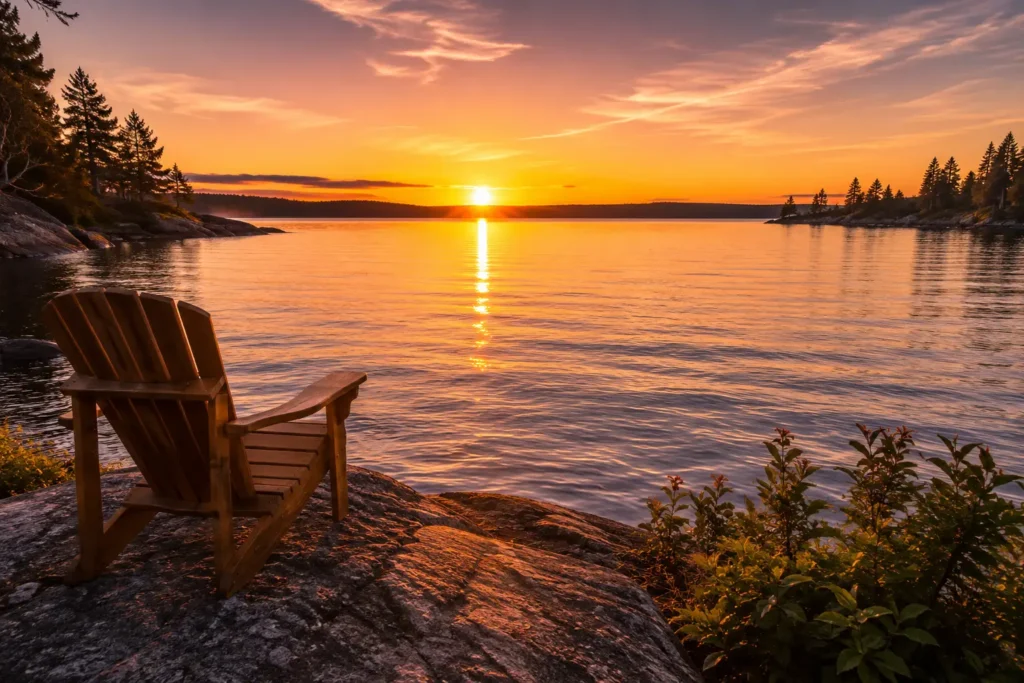
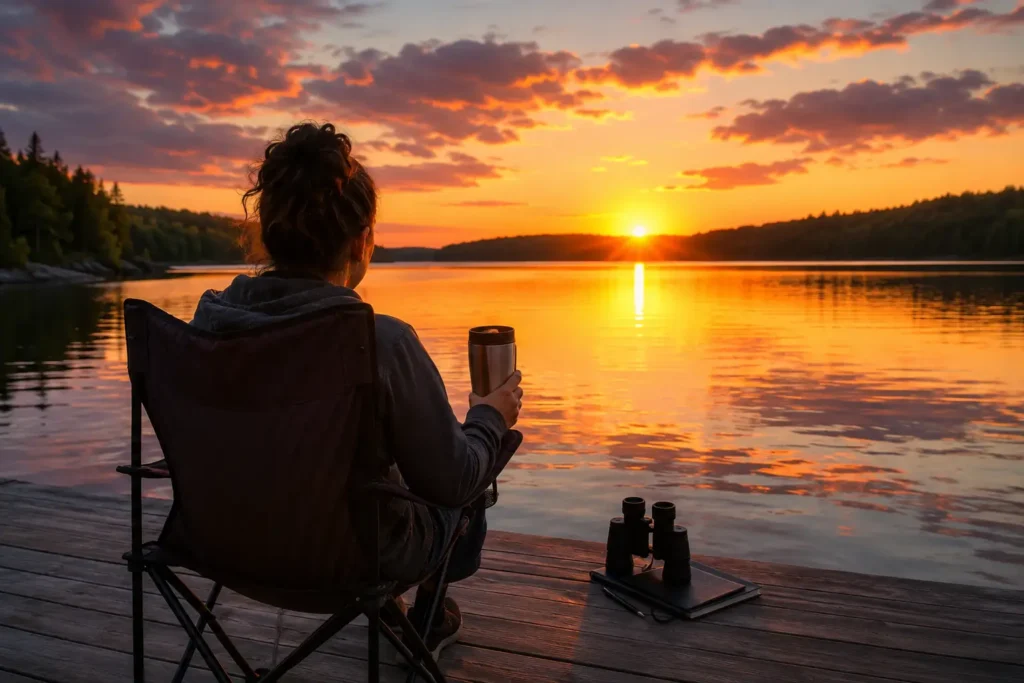
There is something special about watching the sun climb above the horizon. The world is quieter, the air is cooler, and every sunrise feels a little different.
You do not have to travel far. A local park, lakeshore, hilltop, or even your own backyard can become a great sunrise spot.
Why Chase the Sunrise?
Early mornings can be one of the quietest times to enjoy the outdoors. You may hear more birds, see fewer people, and notice details that disappear once the day gets busy.
It is also a good excuse to bring a coffee and slow down for a while. If that sounds like your kind of morning, read why I started taking my coffee outside.
What to Bring
Insulated travel mug
Lightweight chair
Camera or smartphone
Light jacket or extra layer
Small daypack
For longer mornings, a small daypack keeps everything together. If sitting and watching the light change is the main event, our folding chair guide can help too.
Small Daypacks Simple storage for a mug, camera, extra layer, and other essentials.
Final Thoughts
You do not need a dramatic destination to enjoy a sunrise. Pick a nearby spot, arrive a little early, and give yourself time to watch the light change. If evenings suit you better, try our guide to finding a good sunset spot near you.
Affiliate disclosure: This post contains affiliate links. If you buy through one of them, Time to Get Outside may earn a commission at no extra cost to you.
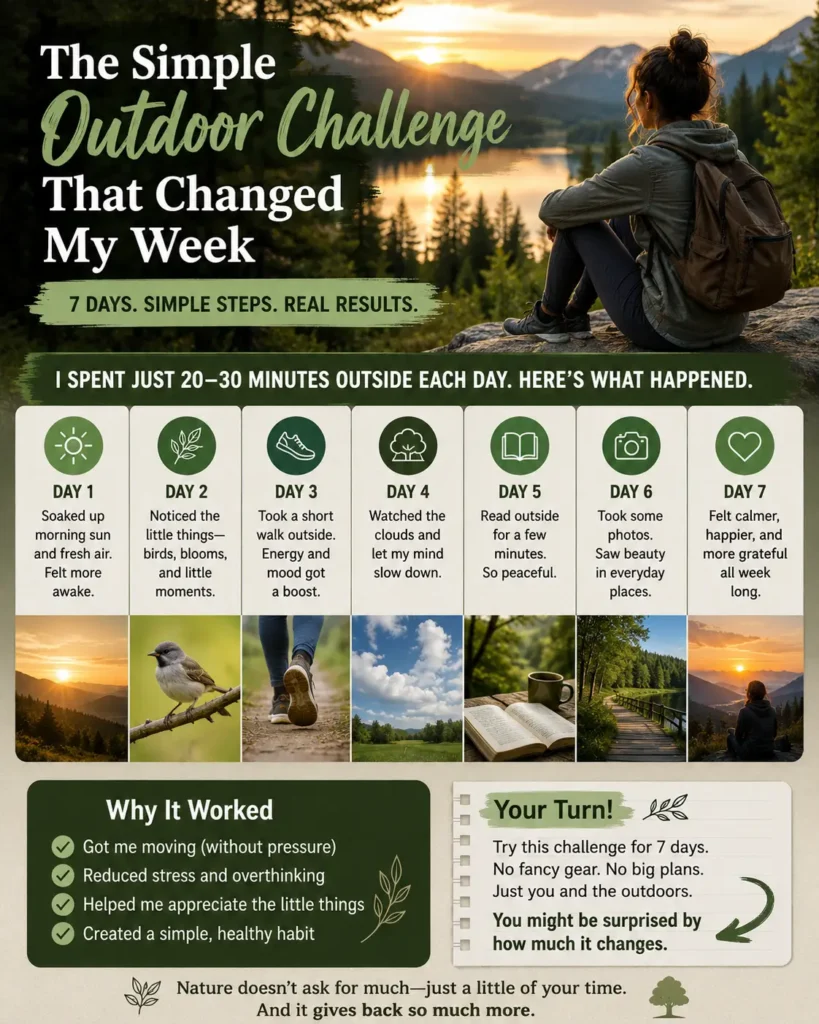
The 20-Minute Outdoor Challenge
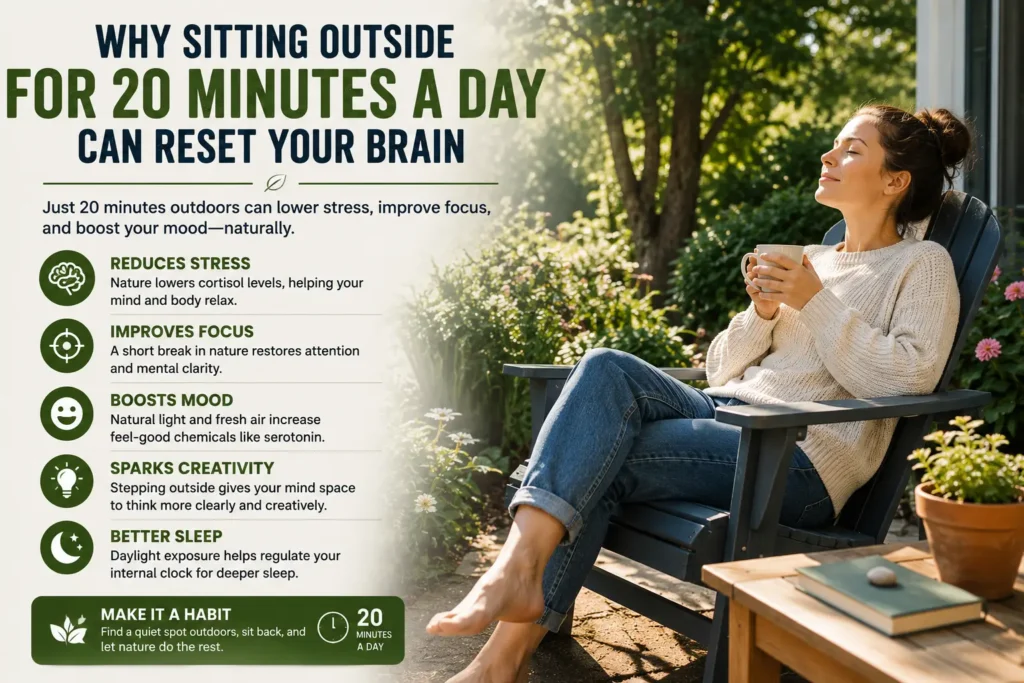
Sometimes the easiest outdoor habit is the one with almost no rules. My challenge was simple: spend at least 20 minutes outside every day for one week.
No long hikes. No special equipment. No complicated target. Some days I walked. Other days I sat on a bench, watched the sunset, or took a coffee outside.
Keep shoes, a light jacket, or a folding chair easy to grab. The less setup involved, the easier it is to go outside before you talk yourself out of it. You can also turn spare minutes into outdoor time with the ideas in How I Turned Waiting Time Into Outdoor Time.
A simple option for sitting in a park, by the water, or on the grass.
Final Thoughts
Twenty minutes is short enough to fit into a busy day but long enough to feel like you actually stepped away from the usual routine. Try it for a week and see which kind of outdoor break you naturally want to repeat.
Affiliate disclosure: This post contains affiliate links. If you buy through one of them, Time to Get Outside may earn a commission at no extra cost to you.
Paying Attention to the Little Things
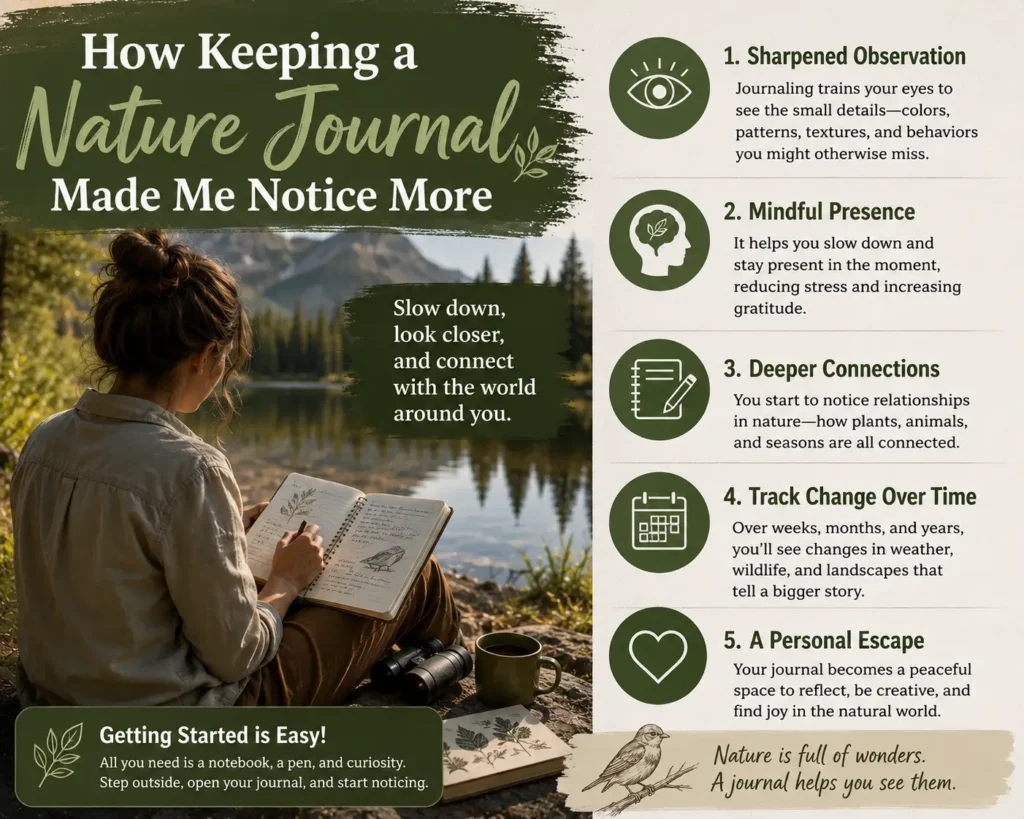
I used to finish a walk remembering the general feeling of it but forgetting most of the small details. A simple nature journal changed that.
I do not write pages. A few lines are enough: a bird I noticed, the colour of the sky, the first changing leaves, an interesting tree, or something different about a familiar route. Writing it down makes me pay more attention while I am actually outside.
A small notebook and pen are enough. If bird watching becomes part of the habit, our guide to the best binoculars for casual nature lovers is a useful next step.
You can also use journaling during a short daily outdoor break. The 20-minute outdoor challenge gives you an easy routine to attach it to.
A practical choice if you often write outside in damp or changing weather.
Final Thoughts
A nature journal is less about writing well and more about noticing well. Keep it short, keep it easy, and let the notebook become a record of the ordinary outdoor moments you would otherwise forget.
Affiliate disclosure: This post contains affiliate links. If you buy through one of them, Time to Get Outside may earn a commission at no extra cost to you.
A Better Way to End the Day
For years, I ended most evenings the same way—sitting in front of the TV. One evening, I took my coffee outside instead.
As the sun dropped, the sky changed colour minute by minute. It was simple, quiet, and far more interesting than I expected.
Since then, sunset watching has become one of my favourite outdoor habits. It gives me a reason to step outside and put the screen away for a while.
Make It Easy to Repeat
You do not need a scenic overlook. A park bench, lakeshore, backyard chair, or open stretch of sky can be enough. For ideas, see our guide to finding a good sunset spot near you.
Sometimes the easiest way to spend more time outside is to replace one indoor habit with an outdoor one. Trade one evening of television for a sunset and see whether it sticks.
Twenty quiet minutes outside is one of the easiest breaks I can build into a normal day. I don’t need to walk anywhere or turn it into exercise. I just sit somewhere comfortable and let the change of scenery do its job.
Make the Outdoor Break Easy to Use
A chair, small table, and blanket for cooler weather are enough. The simpler the setup is, the more likely I am to use it instead of waiting for a bigger outdoor plan.
A backyard is convenient, but it isn’t required. A balcony, front step, courtyard, or public green space can work too. If you don’t have a yard, try these places to sit outside close to home.
Affiliate disclosure: This post contains affiliate links. If you buy through one of them, we may earn a commission at no extra cost to you.
Twenty minutes outside isn’t a cure or a productivity trick. It’s simply a pleasant way to break up indoor time and make room for a quieter part of the day.
There’s a stretch near my place I used to treat like a hallway: a field, a sidewalk, and a narrow path between houses. I walked through it without really looking.
Ordinary Places Get More Interesting When You Stop
One day I sat down for a few minutes and noticed the wind moving through the grass, distant traffic under the bird calls, and small changes in light I normally walked past. The place hadn’t changed. My pace had.
I didn’t mean to make a statement. I simply forgot my headphones and decided not to turn back.
The Walk Sounded Different
Without a podcast or music filling the space, I noticed footsteps, wind, traffic farther away, and birds I usually tuned out. The first few minutes felt oddly empty, then the quiet started to feel like part of the walk instead of something missing.
I still use headphones plenty of the time. The useful lesson was simply that not every walk needs a soundtrack. Sometimes hearing the place itself is enough.
Affiliate disclosure: This post contains affiliate links. If you buy through one of them, we may earn a commission at no extra cost to you.
Leaving the headphones home didn’t make the route better. It made me notice a different version of the same route—and that’s a simple change worth trying once in a while.
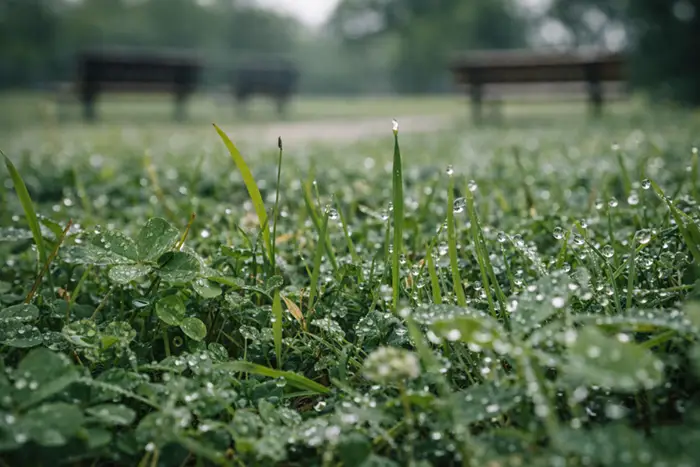
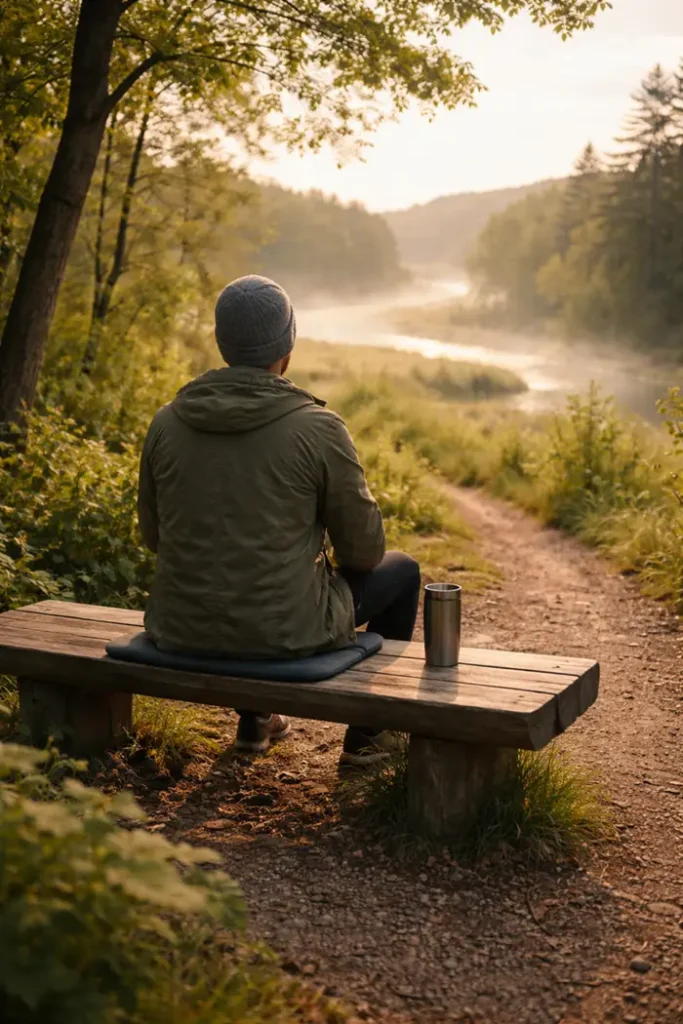
There’s a bench near my usual walking route that I passed for years without really seeing. One afternoon I stopped, sat down, and let the world move instead of me.
A Familiar Place Feels Different When You Stop
The light through the trees, the wind, and the small sounds around the path all became more noticeable once I wasn’t moving. The bench hadn’t become special; I had finally given it enough attention to notice it.
A favorite outdoor spot doesn’t have to be dramatic. Sometimes it becomes meaningful simply because you keep returning to it and finally take the time to stop.