
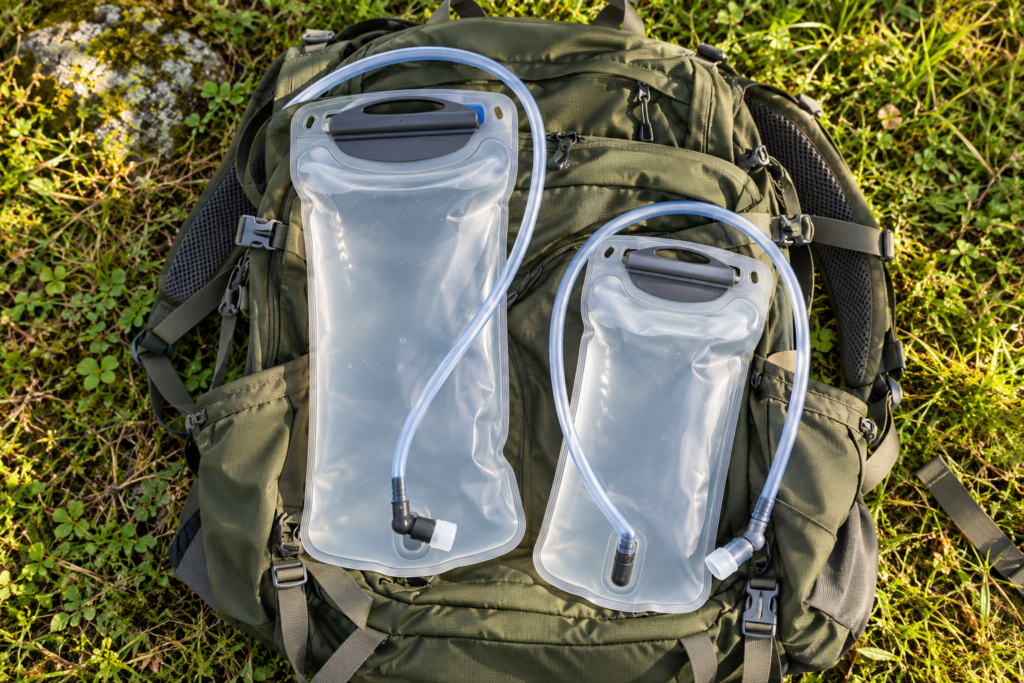
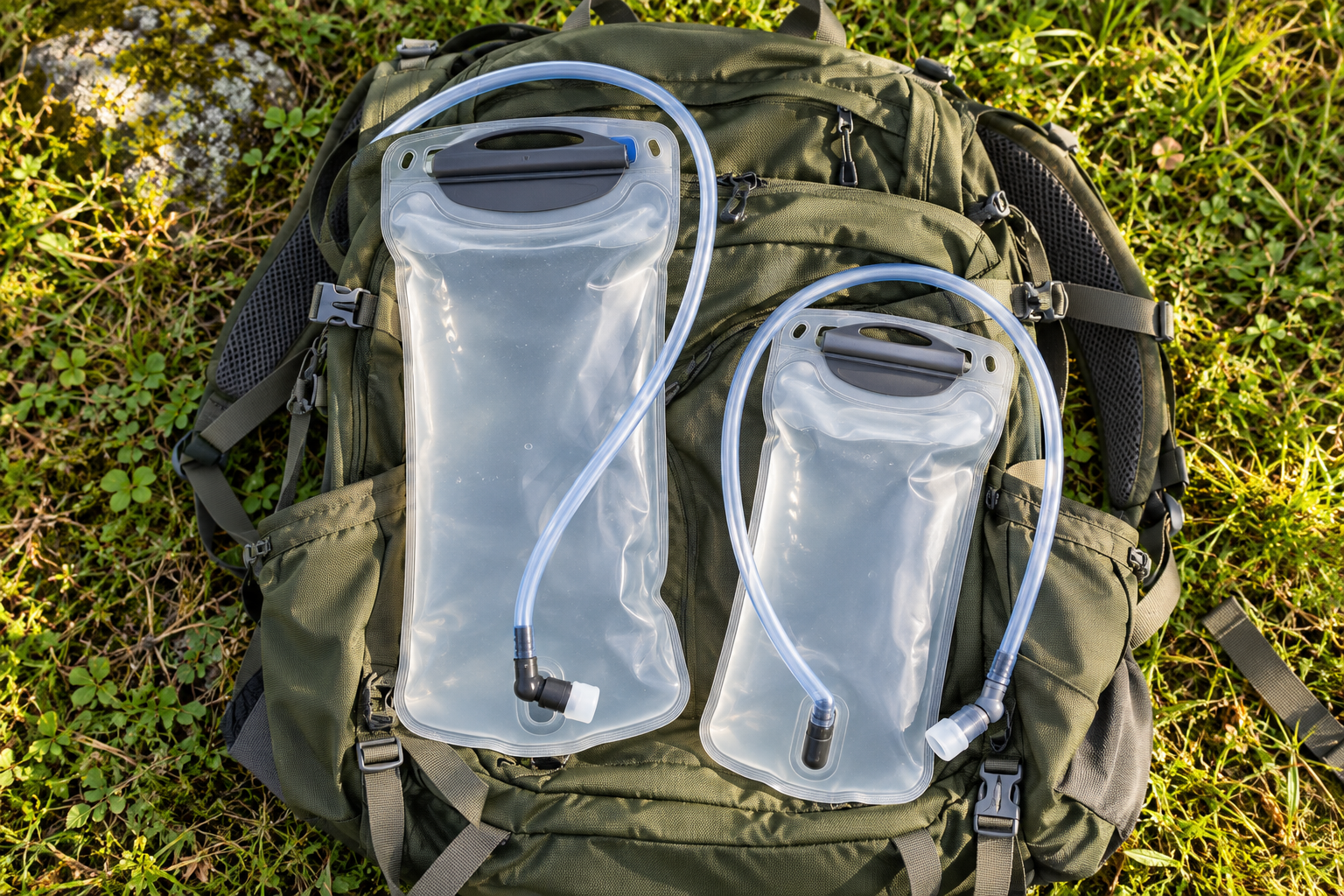
Quick verdict: Choose the capacity that fits both your pack and a sensible water plan for the route. A compatible 3L reservoir adds flexibility, but a full extra litre adds about one kilogram of water.
Research-based buying guide; no hands-on testing is claimed. As an Amazon Associate, Time to Get Outside earns from qualifying purchases.
| Decision | How the options compare |
|---|---|
| Main appeal | 2L reservoir: Fits many smaller hydration compartments 3L reservoir: Additional capacity when the route calls for it |
| Weight decision | 2L reservoir: Carry the water your plan requires 3L reservoir: Extra litre adds about 1kg when filled |
| Check first | 2L reservoir: Pack’s stated reservoir allowance and hanger 3L reservoir: Filled dimensions, sleeve fit and remaining cargo room |
Capacity starts with the route and the pack
Reservoir size should follow the outing’s water requirements and the opportunities you have actually verified to obtain suitable drinking water. Duration, weather, exertion and individual needs vary, so neither two litres nor three litres is a universal amount for a day hike. Do not choose from the label alone.
Then check the pack. A sleeve rated for up to two litres is not automatically suitable for a three-litre reservoir because the larger one can be partly filled. Shape, height, hanger and hose routing all matter. Capacity describes water volume, not a universal external size.
When two litres is enough
A 2L reservoir is sensible when it fits the pack and your route plan comfortably. A smaller container can leave more usable space in a compact daypack and may be easier to handle at a tap. Compare the real dimensions and closure, because two reservoirs with the same capacity can pack differently.
If you routinely return with a large unused amount, consider how much water you actually need to load for that specific outing rather than buying more capacity automatically. That is a planning question, not a recommendation to cut a necessary reserve. Verify refill arrangements rather than assume a stream or public fountain will provide what you need.
When three litres earns its place
A compatible 3L reservoir is useful when you need that capacity or want flexibility across longer outings. You generally do not need to fill it to its maximum every time, provided the maker’s use and packing guidance are followed. The useful purchase is flexibility within a pack that accommodates the filled shape.
At full capacity, the extra litre over a full 2L reservoir adds roughly one kilogram of water, before differences in reservoir hardware. That can affect the rest of the load. Try the pack with a representative water amount and ordinary gear rather than judging comfort from an empty bag in the shop.
Compare the full system before upgrading
Check whether the purchase includes the hose and bite valve, how the reservoir hangs and whether any quick-disconnect fittings match your existing parts. A reservoir sleeve does not necessarily mean a reservoir is supplied with the pack. Include necessary components in the Canadian-dollar price.
My recommendation is 2L for a compatible smaller setup when the route plan supports it, and 3L when verified carrying needs justify the capacity. Keep an existing suitable reservoir if it covers the job. Choose shape, maintenance and fit alongside volume; an extra litre on the label is not valuable if the reservoir does not sit properly in the bag.
Compare current U.S. and Canadian listings
These buttons open product searches, not guaranteed stock or fixed prices. Match the exact model, size, included accessories and seller before ordering. Canadian shoppers should compare the final cost in Canadian dollars, including any shipping or import charges.
Related buying guides
- Best Hydration Packs for Hiking and Long Outdoor Walks
- Hydration Reservoir vs Water Bottles for a Daypack
- Osprey Daylite vs Deuter Speed Lite 13: Which Small Daypack Fits Your Walks?
Sources and research notes
Specifications and guidance checked October 15, 2026. Recommendations are editorial judgments based on the cited details and use cases; they are not independent performance measurements.