
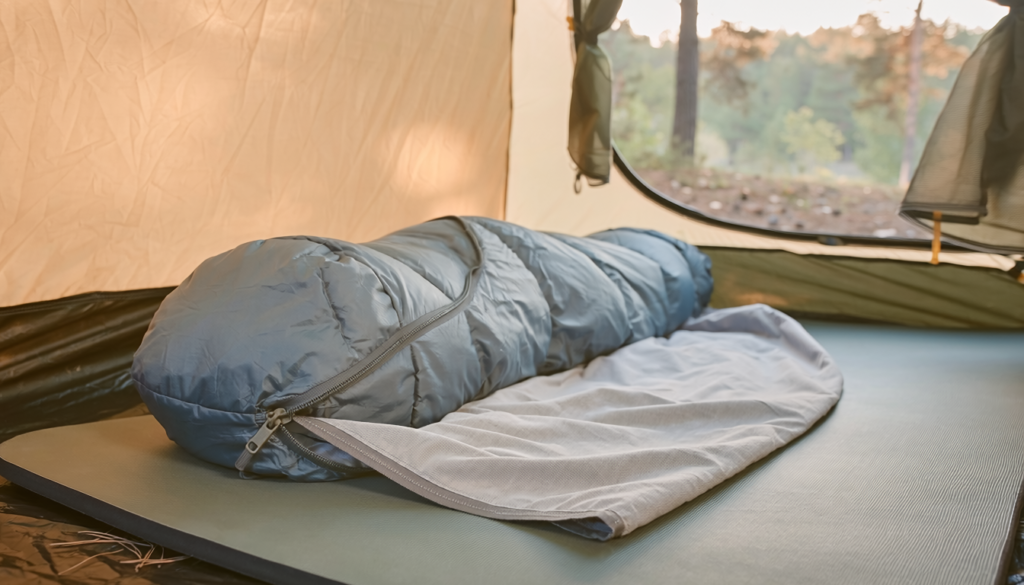
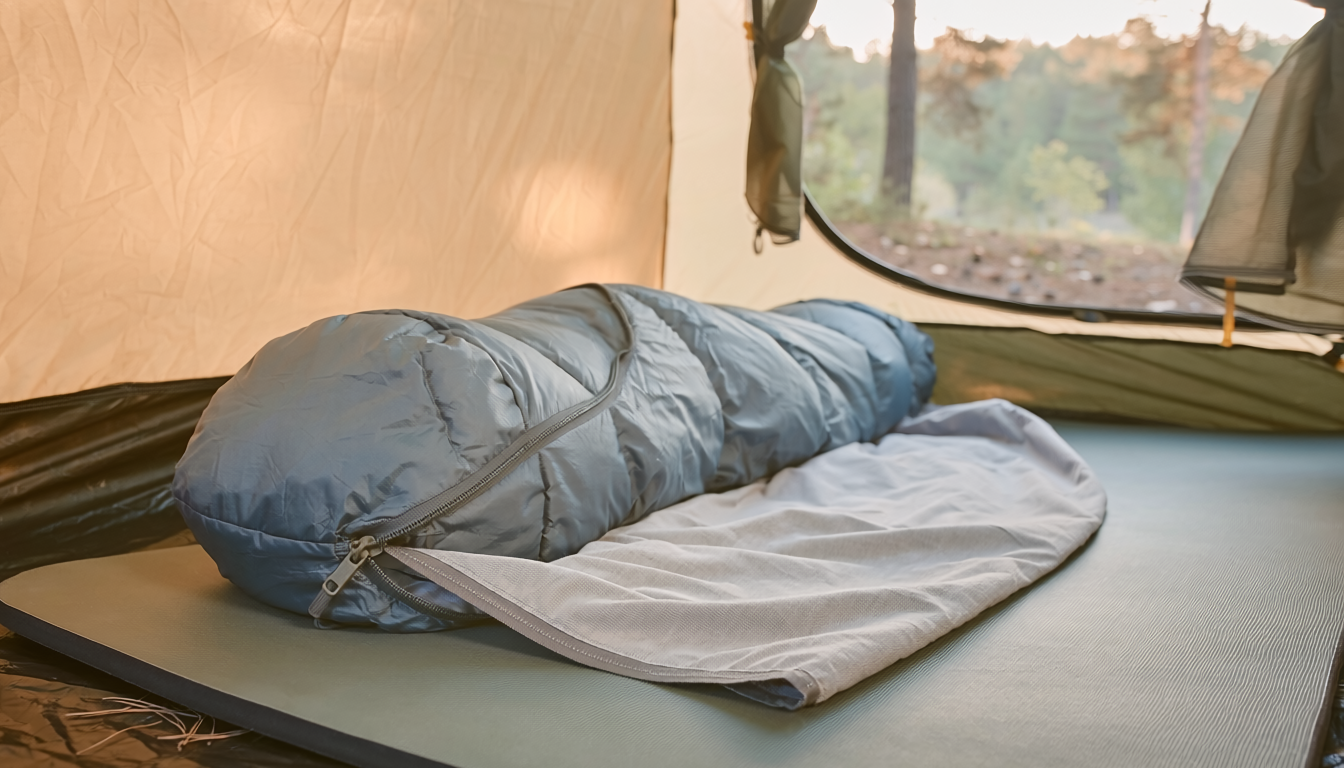
Quick verdict: A silk-blend liner is worth considering for a feel you particularly enjoy and a useful packed size. A simpler synthetic liner often does the basic job for less. Check the current fiber blend, shape and opening before paying a premium.
Research-based buying guide; no hands-on testing is claimed. As an Amazon Associate, Time to Get Outside earns from qualifying purchases.
| Decision | How the options compare |
|---|---|
| What the name means | Silk-blend liner: Contains silk, with other fibers varying Synthetic liner: Fiber and fabric construction vary |
| Main buying test | Silk-blend liner: Is the feel worth the extra cost to you? Synthetic liner: Does it fit and wash conveniently? |
| Do not assume | Silk-blend liner: That it is pure silk or an older formulation Synthetic liner: That every model adds the same warmth |
Read the composition before comparing prices
Silk-blend is not a fixed recipe. Sea to Summit’s current Canadian Silk Blend liner page lists a main panel of 72 percent polyester and 28 percent silk. An older review discussing a different blend does not establish what a present-day listing contains.
That makes this a comparison between complete fabrics and designs, not a simple contest between pure silk and plastic. Check the product code, selected shape and current material description. If a marketplace listing combines conflicting specifications, clarify which version is supplied before ordering.
Pay for comfort you can identify
A liner can provide a washable layer inside a sleeping bag and a familiar sleep sheet when traveling. A premium feel may be worthwhile if you use it often. It is less compelling if the liner will remain in a cupboard between one or two annual trips.
Choose the shape around how you sleep. A mummy liner can be compact but may feel restrictive for someone who moves around. A rectangular liner or pillow sleeve might be more useful for mixed camping and travel. Check entry openings and closures; do not assume every liner has a side zipper.
Keep warmth claims in perspective
A liner is not a reliable substitute for a sleeping bag and pad suited to the expected conditions. Sea to Summit describes its Silk Blend as adding some warmth, but that is not a universal temperature guarantee for every sleeper or sleep system.
If warmth is the problem you are trying to fix, inspect the existing bag, ground insulation and actual sleeping conditions first. Buying a luxury liner because its name sounds warmer can leave the real problem unresolved. Compare purpose-built thermal models separately if that is the role you need.
Choose a liner you will maintain
Read washing and drying instructions for the exact fabric. Confirm whether the liner will be easy to clean after a trip using your normal routine. A washable item offers little convenience if you avoid using it because its care requirements feel impractical.
Canadian shoppers should compare the complete CAD price for the same shape and generation, including returns. A basic synthetic liner is sufficient when you mainly want a removable sleep sheet at a modest cost. Pay more for a silk blend only when its fit, feel and packed size provide a clear benefit over the simpler option. Keeping a comfortable liner you already own is also a valid choice.
Compare current U.S. and Canadian listings
These buttons open product searches, not guaranteed stock or fixed prices. Match the exact model, size, included accessories and seller before ordering. Canadian shoppers should compare the final cost in Canadian dollars, including any shipping or import charges.
Related buying guides
- Best Sleeping Bag Liners for Camping Comfort and Cleaner Sleep Systems
- Down vs Synthetic Sleeping Bags for Damp Car Camping
- Sleeping Bag Compression Sack vs Storage Sack: Do You Need Both?
Sources and research notes
Specifications and guidance checked October 15, 2026. Recommendations are editorial judgments based on the cited details and use cases; they are not independent performance measurements.