
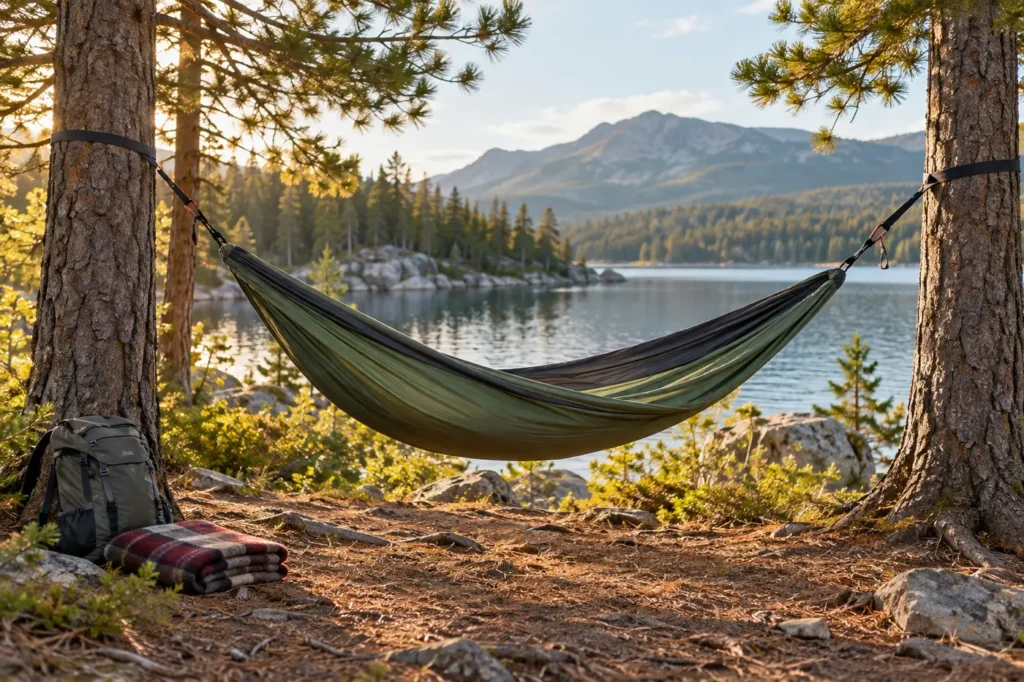
Quick verdict: Choose a double hammock when extra lounging width matters more than minimum packed weight. Choose a single for a smaller carried kit if its dimensions fit you. A double label does not guarantee comfortable overnight sleeping for two adults.
Research-based buying guide; no hands-on testing is claimed. As an Amazon Associate, Time to Get Outside earns from qualifying purchases.
| Decision | How the options compare |
|---|---|
| Usual trade-off | Single hammock: Less width and less packed bulk Double hammock: More lounging room and fabric |
| Best reason to buy | Single hammock: You fit comfortably and carry it often Double hammock: You want more room for one person |
| Capacity check | Single hammock: Read the exact model’s rating Double hammock: Do not infer capacity from the name |
| Overnight needs | Single hammock: Suitable suspension, insulation and shelter Double hammock: The same system requirements still apply |
“Double” often means more space for one
The name can suggest a two-person bed, but hammock width and comfortable overnight occupancy are different questions. REI’s hammock guide notes that many people choose a double for their own comfort. For a solo camper, the useful comparison is how the fabric supports your preferred position.
A wider hammock can provide more room to arrange yourself diagonally. It does not make every hammock the right length, and it does not overcome an unsuitable hanging setup. Read length, width and rated capacity separately instead of shopping by the single or double label alone.
When a single is the better purchase
A single makes sense for short park breaks or a carried kit when you fit comfortably within its dimensions. If you use it for reading or resting rather than as a complete overnight bed, a compact setup may be all you need.
Look at the weight of the whole package. A light hammock body paired with heavy suspension and bulky accessories may save less than expected. Conversely, a simple single that includes usable straps can be a sensible purchase if those components meet the manufacturer’s requirements.
When a double earns its extra fabric
Choose a double if a narrower hammock feels restrictive around your shoulders or you prefer more room while lounging. Car campers may reasonably accept the extra bulk because the hammock travels in a vehicle rather than on their back.
Extra loose fabric can also feel excessive to some users. If possible, try both widths using an appropriate setup before ordering. Buying the largest option automatically can be as disappointing as buying the smallest one purely because it is cheaper.
Do not confuse width with a complete sleep system
An overnight hammock may also need a suitable tarp, insect protection and insulation underneath. Air moving below the fabric can make a warm-looking sleeping bag insufficient by itself. Assess the entire system for the expected weather rather than treating a double hammock as inherently warmer.
Two people may share a rated hammock briefly if the maker permits it, but that is not evidence they will sleep comfortably together all night. If the goal is accommodation for two adults, compare two complete hammock systems or an appropriate tent instead of assuming a double will replace both.
Suspension and permitted use come first
Use compatible suspension and follow the hammock maker’s setup instructions. Check tree condition, attachment limits and local rules. Some parks restrict hammock use or require particular tree protection. A bargain hammock is of little use at the campground you visit if you cannot legally hang it there.
Account for the load rating of every component, not just the fabric. Avoid assuming a generic carabiner or accessory strap is suitable because it fits through a loop. Inspect the kit for wear before each outing and choose a safe location with appropriate clearance beneath it.
Final buying recommendation
For one-person comfort, a suitable double is worth considering; for compact carrying, a suitable single can be enough. Put fit and a complete compatible suspension ahead of colour or a sale price. Keep a working hammock if it already supports your normal use comfortably and complies with the places you visit.
Compare current U.S. and Canadian listings
These buttons open product searches, not guaranteed stock or fixed prices. Match the exact model, size, included accessories and seller before ordering. Canadian shoppers should compare the final cost in Canadian dollars, including any shipping or import charges.
Related buying guides
- Best Portable Hammocks for Campsites and Parks
- Hammock Straps vs Rope: Is Tree-Friendly Suspension Worth Buying?
- Best Camping Tarps for Rain Protection and Shade
Sources and research notes
Specifications and guidance checked October 15, 2026. Recommendations are editorial judgments based on the cited details and use cases; they are not independent performance measurements.