
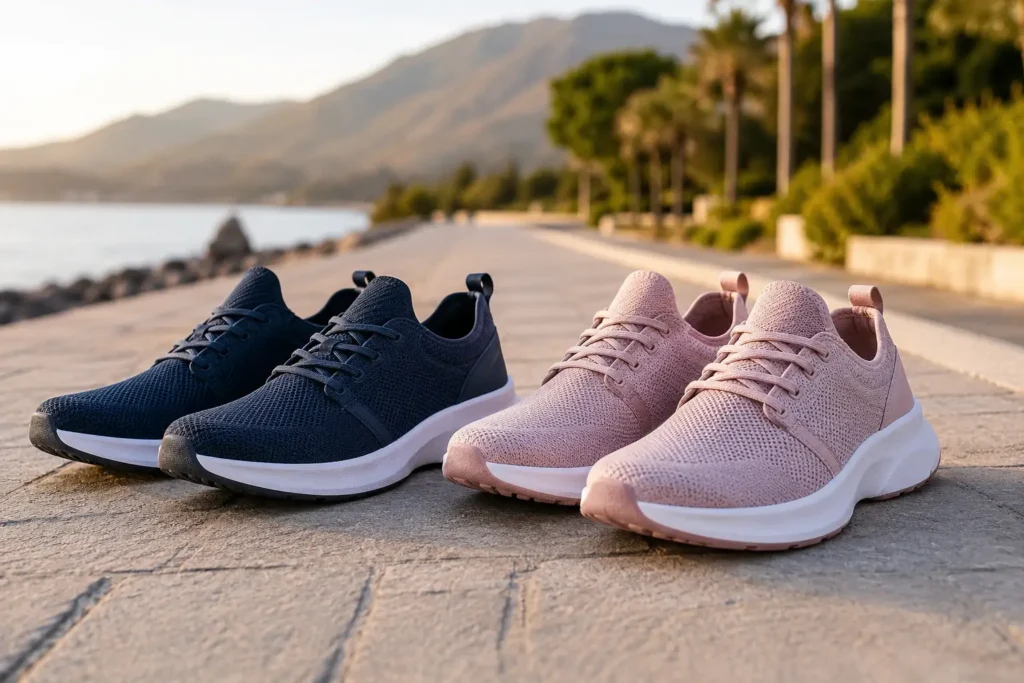
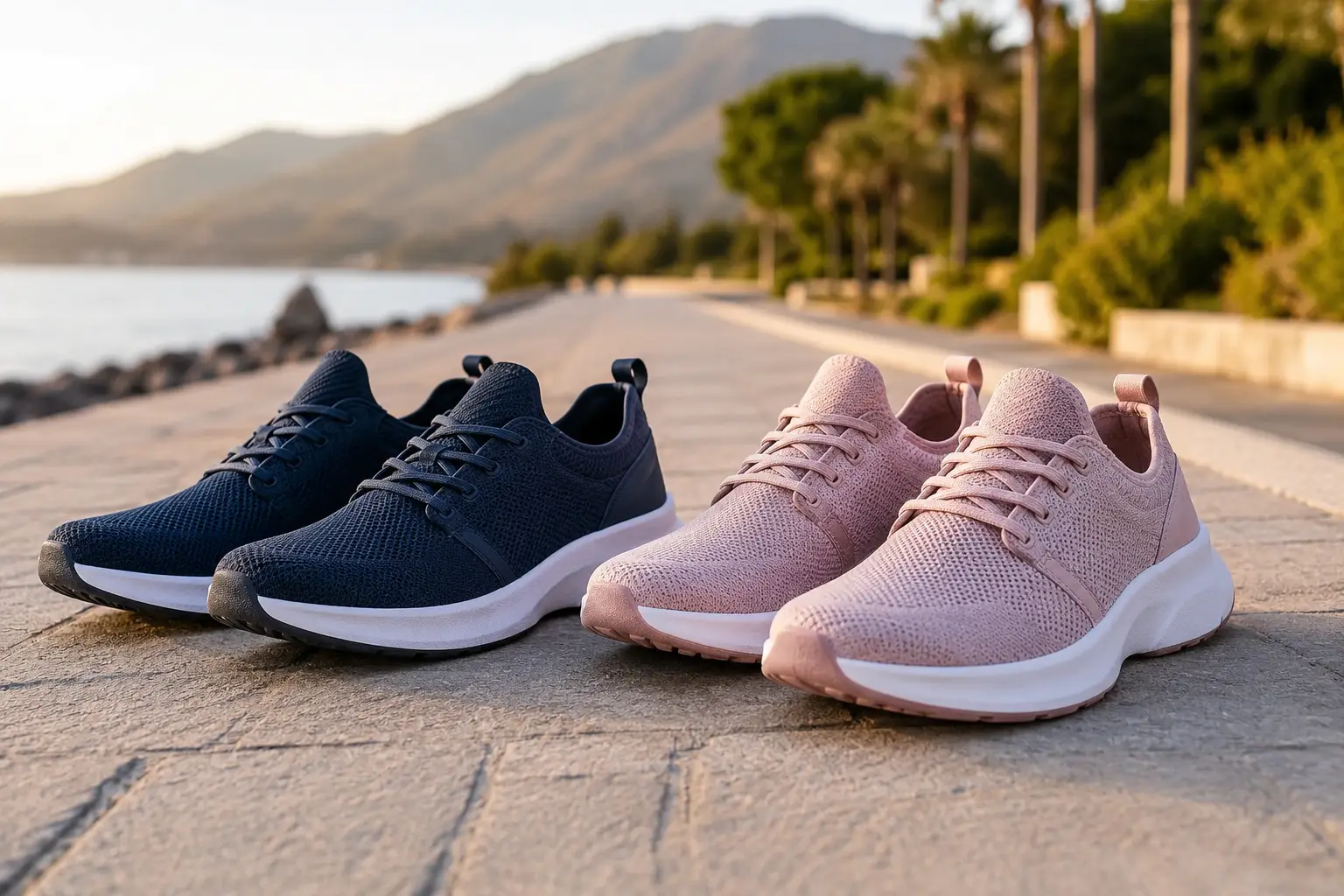
Quick verdict: For maintained gravel paths and easy day hikes, start with the lighter shoe that fits securely and feels comfortable. Choose a more structured hiking shoe when you want greater underfoot protection or durability. The category label matters less than the actual shoe.
Research-based buying guide; no hands-on testing is claimed. As an Amazon Associate, Time to Get Outside earns from qualifying purchases.
| Decision | How the options compare |
|---|---|
| Common emphasis | Low hiking shoe: Structure and protective materials Trail-running shoe: Lower weight and flexible movement |
| Best fit | Low hiking shoe: More abrasive surfaces or a preference for a firmer platform Trail-running shoe: Maintained paths and lighter day use |
| Main compromise | Low hiking shoe: Can feel heavier or warmer Trail-running shoe: Light construction can wear faster |
| Purchase priority | Low hiking shoe: Fit, outsole and comfort with your normal pack Trail-running shoe: Fit, outsole and comfort with your normal pack |
Buy for the route you actually walk
A maintained gravel trail does not demand the same footwear as a rocky mountain route. If most of your outings are park loops and easy day hikes, an overly heavy shoe can be an unnecessary compromise. Conversely, a very soft lightweight shoe may not feel comfortable when repeated stones press into its sole.
REI’s footwear guidance treats hiking and trail-running shoes as a spectrum rather than a simple good-versus-bad choice. Trail surface, pack weight, protection, flexibility and personal fit all influence what makes sense. This guide focuses on easy routes; it does not turn either category into specialist winter or technical terrain footwear.
When a trail runner is the better value
A suitable trail runner can feel less cumbersome during short, frequent walks. Light-trail designs often use modest tread and some protection for maintained paths. They are worth considering if your current footwear feels unnecessarily stiff and your pack is small.
The running label does not mean you must run in them. What matters is whether the shoe holds your foot securely and handles your walking surfaces. Avoid paying for aggressive mud lugs if most of the route is hard-packed gravel with sections of pavement.
When a hiking shoe earns its extra structure
A more protective hiking shoe can be useful on abrasive routes, when carrying a heavier daypack, or when you prefer a firmer sole underfoot. Look at the actual upper, midsole and outsole rather than assuming all shoes in the hiking section are equally substantial.
The tradeoff can be more weight and a less flexible feel. A rugged shoe is not good value if it sits unused because you dislike wearing it. Try walking naturally, turning and using an incline if the shop provides one before deciding the firmer option is better for you.
Fit checks that beat a specification contest
Try both shoes with the socks and any inserts you actually use. Check heel movement, toe room and pressure around the widest part of the foot. Compare the same foot in each candidate rather than choosing purely by the number printed inside.
Do a clean indoor trial before taking the shoes outside, within the retailer’s return conditions. Walk long enough to notice pressure points. A brief stand on a soft shop mat does not reproduce your usual walk, but it can help eliminate an obviously unsuitable fit.
Waterproofing is a separate decision
A waterproof version can suit persistently wet conditions, but it may feel warmer and less breathable than a comparable non-waterproof shoe. For dry gravel paths in mild weather, paying for that barrier may add little useful value. Water can also enter from above the collar.
Do not assume either category supplies dependable grip on ice. A trail outsole designed for dirt is not automatically winter traction equipment. Reassess the whole setup when your route becomes frozen, rather than relying on a mountain-style product name.
Who should buy—and who should skip?
- Try trail runners first: your routes are maintained, your pack is light and you prefer flexible footwear.
- Try hiking shoes first: a firmer platform and protective construction address a real concern on your route.
- Skip replacement: your current shoes fit, remain in sound condition and perform adequately where you walk.
Canadian buying checks and final recommendation
Compare the exact waterproof or non-waterproof version, width and return policy. A discount in your usual size is not a bargain if that model’s shape does not fit. U.S. and Canadian size labels should also be checked against the brand’s own chart.
For easy hikes, comfort and suitable traction beat a heavier category by default. Buy the simplest shoe that works for your actual feet and route, then replace it when wear compromises that performance.
Compare current U.S. and Canadian listings
These buttons open product searches, not guaranteed stock or fixed prices. Match the exact model, size, included accessories and seller before ordering. Canadian shoppers should compare the final cost in Canadian dollars, including any shipping or import charges.
Related buying guides
- Best Walking Shoes for Men and Women
- Merino Wool vs Synthetic Hiking Socks: Which Should You Buy?
- Blister Tape vs Toe Socks for Hiking: Which Prevents Hot Spots?
Sources and research notes
Specifications and guidance checked October 15, 2026. Recommendations are editorial judgments based on the cited details and use cases; they are not independent performance measurements.