
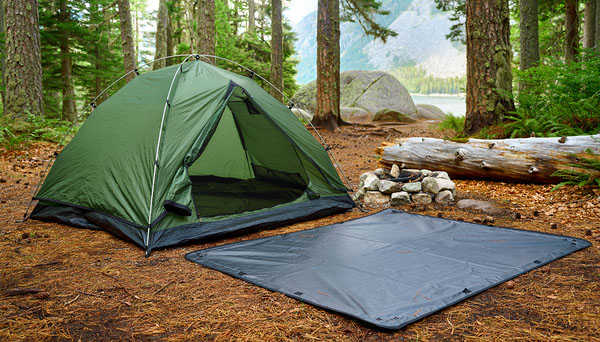
Quick verdict: Choose a dome tent for a relatively simple shelter and a lower-profile shape. Choose a cabin-style tent when upright living space and room around raised beds are more important. Actual dimensions, construction and campsite conditions matter more than the category name.
Research-based buying guide; no hands-on testing is claimed. As an Amazon Associate, Time to Get Outside earns from qualifying purchases.
| Decision | How the options compare |
|---|---|
| Interior shape | Dome-style tent: More sloping walls Cabin-style tent: More upright walls |
| Best reason to buy | Dome-style tent: Compact living needs and practical setup Cabin-style tent: Standing and moving space |
| Common compromise | Dome-style tent: Less usable room near the sides Cabin-style tent: Larger packed bundle and exposed wall area |
| Key measurement | Dome-style tent: Usable space at sleeping height Cabin-style tent: Floor area, height, packed size and pitch footprint |
A floor plan does not show the whole living space
A tent’s listed floor area describes the base, not the room around your head when you sit up. Sloping walls can leave less usable space above a sleeping bag or cot. A cabin-style shape often buys more comfortable movement without a dramatic increase in the listed floor area.
That is why the first purchase test should be your actual sleep setup. Mark the beds’ dimensions on the floor, then allow space for getting dressed, reaching the door and storing non-scented personal gear. “Six-person” capacity is not a promise of comfortable living space for six adults and all their belongings.
When the dome is the better buy
A dome can be a sensible choice for a couple or small group who mainly use the tent to sleep. Its shape often involves crossing poles and a lower profile, although designs vary widely. It is worth considering when you want a manageable package rather than a room-like campsite structure.
REI describes dome tents as generally better at shedding wind than tall cabin shapes. Treat that as a design tendency, not a storm guarantee. Pole quality, anchoring, rainfly coverage and the individual tent’s condition still determine what you are buying.
When cabin-style space earns its cost
Near-vertical walls are useful if you use cots, change clothes standing up or spend more time inside during a wet weekend. Families can benefit from an easier interior layout, and some models offer dividers. Those are meaningful conveniences when they address how you actually camp.
The tradeoff is more tent to transport, pitch, anchor and dry. Confirm the full footprint, including vestibules and guy lines, fits your usual campsite. A large cabin tent can be frustrating on a small pad even when the sleeping area looks ideal in a product photograph.
Do not buy on shape alone
Modern designs blur these categories. Coleman’s Skydome range, for example, uses more upright walls than a traditional dome. Read the specific model’s dimensions instead of assuming every dome is low and cramped or every cabin tent is easy to stand in.
Rainfly coverage and ventilation deserve equal attention. A generous room with poorly managed airflow can still feel damp, and an awning is not necessarily a fully protected storage vestibule. Check what is included and what must be bought separately.
Drawbacks worth testing before the trip
Pitch the tent at home with the people who will normally help. Check whether one person can control the poles and fabric during setup, whether the door is convenient with the beds in place and whether the packed bag fits your vehicle. An advertised instant setup time may not describe your first attempt.
Also plan drying space. A larger shelter may be difficult to dry thoroughly in a small home after a rainy trip. That ownership burden belongs in the value comparison, even if you have unlimited room in the car.
Who should buy—and who should skip?
- Buy a dome: you prioritize a manageable sleeping shelter and do not need broad standing space.
- Buy cabin-style: the upright interior makes your actual beds and daily routine noticeably easier.
- Skip upsizing: your current tent comfortably fits the group and campsite, and you mainly spend time outdoors.
Final buying recommendation
Choose the least bulky tent that comfortably fits your real setup. Pay for cabin-style room when you will use it; choose a suitable dome when a simpler sleep-focused shelter is enough. For Canadian shoulder seasons, check the exact tent’s intended conditions rather than relying on its shape or headcount.
Compare current U.S. and Canadian listings
These buttons open product searches, not guaranteed stock or fixed prices. Match the exact model, size, included accessories and seller before ordering. Canadian shoppers should compare the final cost in Canadian dollars, including any shipping or import charges.
Related buying guides
- Tent Footprint vs Tarp Groundsheet: Which Protects Your Tent Better?
- Best Camping Cots for Comfortable Car Camping
- Best Camping Tarps for Rain Protection and Shade
Sources and research notes
Specifications and guidance checked October 15, 2026. Recommendations are editorial judgments based on the cited details and use cases; they are not independent performance measurements.