
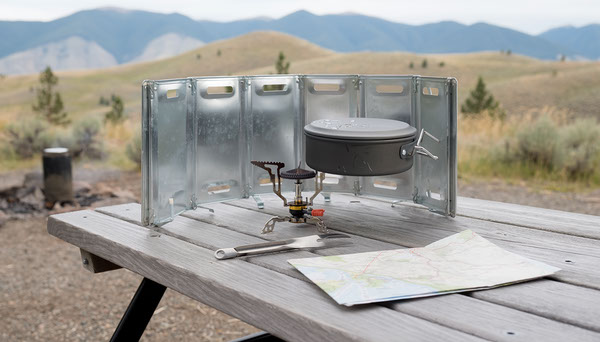
Quick verdict: A built-in piezo igniter is worth considering for convenient frequent stove use, but it is a convenience feature rather than a complete backup plan. Keep a compatible manual-lighting option when the stove instructions permit it. Do not replace a good stove solely to gain a button.
Research-based buying guide; no hands-on testing is claimed. As an Amazon Associate, Time to Get Outside earns from qualifying purchases.
| Decision | How the options compare |
|---|---|
| Main attraction | Built-in piezo ignition: Ignition control stays with the stove Manual lighting: Less dependence on an integrated igniter |
| What it does not change | Built-in piezo ignition: Fuel compatibility or cooking capacity Manual lighting: Fuel compatibility or cooking capacity |
| Failure planning | Built-in piezo ignition: Know the permitted alternative lighting method Manual lighting: Carry an appropriate protected ignition source |
| Upgrade reason | Built-in piezo ignition: You will use the convenience repeatedly Manual lighting: Your present setup already works reliably |
The button changes the start, not the meal
Piezo ignition provides a spark at a specified position on a suitable stove. Manual lighting uses a separate permitted ignition source. The convenience can be meaningful, but it does not by itself improve pot support, simmer control, fuel regulation or the stove’s suitability for your meals.
MSR describes the PocketRocket Deluxe with a built-in piezo starter, while its separate piezo tool is sold for compatible canister stoves. An integrated button and a handheld igniter are different arrangements. Verify compatibility rather than assuming a spark tool will light every burner design.
When built-in ignition is worth paying for
A built-in system is appealing when you cook often and prefer having the start control attached to the stove. There is less searching through the kitchen box for a separate item. For repeated simple stops, that reduction in fiddling may justify a modest price difference.
Try the control before the trip and learn the sequence from the actual manual. An unfamiliar dial and button arrangement should not be first explored beside a hot pan. Follow the stated response to a failed ignition instead of repeatedly adding fuel and pressing the button.
When manual lighting is enough
If the stove you own starts reliably with a permitted lighter or match, the button may solve no real problem. A separate protected ignition source can be inexpensive and useful across more than one task, provided each use is appropriate.
Check that the lighting method gives the access the stove’s instructions require. Burner geometry and an enclosed heat exchanger can change access. Do not improvise a new lighting procedure because another stove in the same category worked differently.
Plan around failure without inventing a guarantee
An ignition component can become damaged or stop working. The sensible response is to know your stove’s approved alternative, rather than treating the integrated system as a reason to carry no other appropriate option.
A handheld piezo tool also needs compatibility and correct placement. Read the manufacturer’s exclusions before buying one as an upgrade. Product descriptions that say “most canister stoves” are not a promise about your particular system.
What deserves the budget first
For a first stove, prioritize the correct cooking format, stable support for your cookware and locally available compatible fuel. A button on an unsuitable stove is poor value. The same applies if the real problem is difficult simmering or a burner too small for group meals.
For Canadian trips, follow the stove and fuel instructions for expected conditions and keep the equipment in its permitted outdoor setup. Ignition convenience does not make a stove suitable for tents, enclosed vestibules or any location lacking the specified clearances.
Final buying recommendation
Pay for piezo ignition when frequent convenience is worth the difference; keep manual lighting when the current arrangement already serves you. A backup plan and familiarity with the manual are more useful than assuming an ignition button guarantees a hot meal.
Compare current U.S. and Canadian listings
These buttons open product searches, not guaranteed stock or fixed prices. Match the exact model, size, included accessories and seller before ordering. Canadian shoppers should compare the final cost in Canadian dollars, including any shipping or import charges.
Related buying guides
- Propane vs Isobutane Camping Stoves: Which Fuel Setup Fits Your Trips?
- Coleman Classic vs Triton: Is the Camping Stove Upgrade Worth It?
- Camping Stove Windscreen: Worth Carrying or Skip It?
Sources and research notes
Specifications and guidance checked October 15, 2026. Recommendations are editorial judgments based on the cited details and use cases; they are not independent performance measurements.