
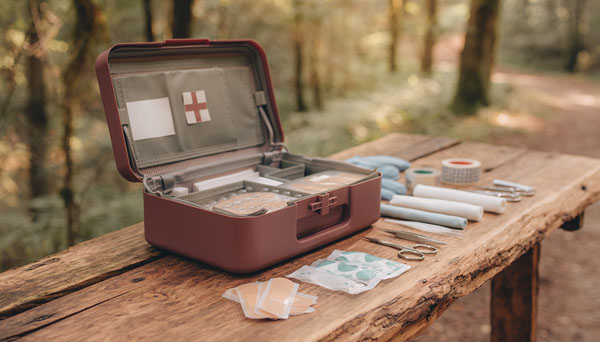
Affiliate disclosure: Time to Get Outside may earn from qualifying Amazon purchases, at no added cost to you. This is research-based buying guidance, not hands-on testing of these products. The photograph is an illustrative image.
Quick verdict: A compact first aid kit is the starting point for most hikes, while a blister-focused kit is a useful addition when footwear friction is your most likely problem.
The best outdoor kit is the one suited to your real plans, not the longest feature list. Here is where each option earns its place and where a cheaper choice is enough.
Which choice is better?
A general kit should cover common minor injuries with appropriate dressings, gloves, and supplies suited to the route and group size. The contents and your ability to use them matter more than a large item count.
When the alternative makes more sense
Blister care is about prevention and early response. Suitable tape, dressings and dry socks can be more useful on a long foot-powered day than extra generic bandages. Learn correct use rather than waiting until skin breaks.
Who should buy and who should skip?
Buy the first option when its strengths solve a problem you regularly encounter. Skip it if your existing setup already meets that need. Choose the alternative when you value its different convenience, price or durability trade-offs.
Important checks before buying
Check the contents list, expiration dates, weather-resistant storage, and ease of opening with cold fingers. Replace consumables after use and tailor supplies to known needs.
Confirm the precise product variation, manufacturer’s current specifications and warranty, price and availability in the United States and Canada, and whether the accessory is compatible with what you already own. Reviews from actual users can help identify repeated reliability or comfort concerns, but individual reports are not guarantees.
Safety and limitations
Serious bleeding, allergic reactions and medical emergencies require appropriate training and professional help. A kit does not replace first aid skills or emergency communications.
Is an upgrade worth the cost?
Only spend extra if the upgrade provides meaningful comfort, dependable functionality or better fit on your common trips. Avoid paying for extra features you won’t use. Buying less gear can be the better outdoor decision.
Final winner
Take a basic first aid kit plus the specific blister supplies your footwear and distance justify.
Related Time to Get Outside guides
- Solar Charger vs Power Bank for Camping: What Is Worth Carrying?
- Camping Pillow vs Stuffed Clothing: Is a Pillow Worth Packing?
- Microspikes vs Winter Traction Cleats for Icy Trails
Shop on Amazon USA
See hiking first aid kit compact on Amazon USASee hiking blister care kit on Amazon USA
Shop on Amazon Canada
See hiking first aid kit compact on Amazon CanadaSee hiking blister care kit on Amazon Canada