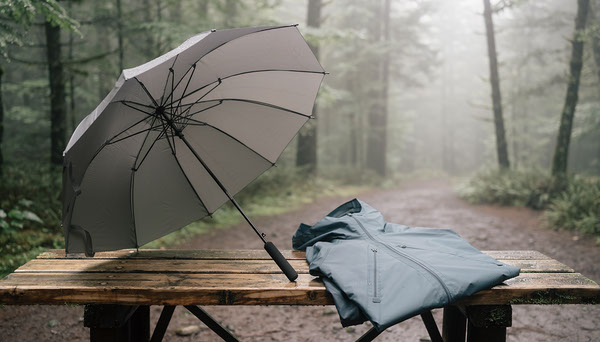
Trekking Umbrella vs Rain Jacket for Day Hiking

Trekking umbrella and waterproof rain jacket on a forest trail

Affiliate disclosure: Time to Get Outside may earn from qualifying Amazon purchases at no added cost to you. This is independently written research-based guidance, not a claim of hands-on product testing. The article photograph is illustrative.

Quick verdict: A rain jacket is the dependable hands-free choice for exposed trails and wind. A trekking umbrella can be more ventilated in calm warm rain, especially on wide paths.

A good purchase starts with the trips you really take. Compare the practical benefits and limitations below before paying extra for features that might sit unused.

…

Trekking Umbrella vs Rain Jacket for Day Hiking Read More »
Merino Wool vs Synthetic Hiking Socks: Which Should You Buy?

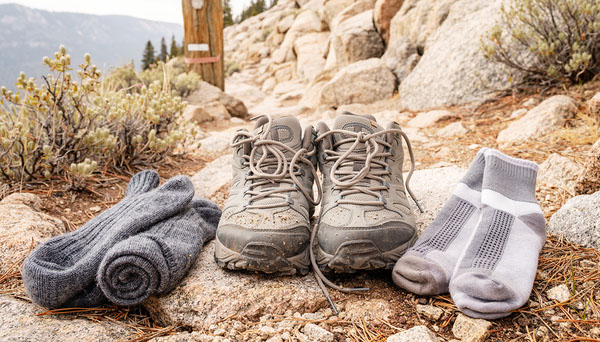
Merino hiking socks and synthetic socks beside trail shoes

Affiliate disclosure: Time to Get Outside may earn from qualifying Amazon purchases at no added cost to you. This is independently written research-based guidance, not a claim of hands-on product testing. The article photograph is illustrative.

Quick verdict: Merino blends are a comfortable all-round pick for long walks and odor management; synthetic blends can dry quickly and cost less, particularly when footwear already manages moisture well.

A good purchase starts with the trips you really take. Compare the practical benefits and limitations below before paying extra for features that might sit unused.

…

Merino Wool vs Synthetic Hiking Socks: Which Should You Buy? Read More »

Mosquito Head Net vs Insect Repellent for Hiking

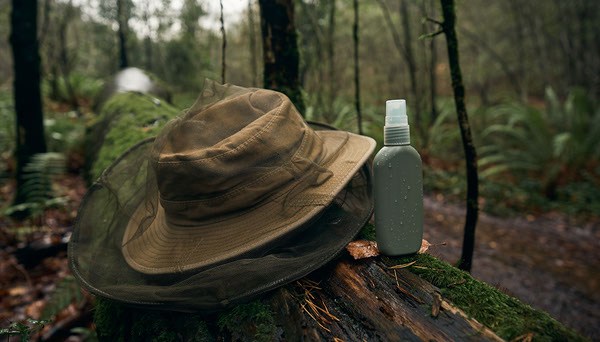
Mosquito head net on hiking hat beside insect repellent

Affiliate disclosure: Time to Get Outside may earn from qualifying Amazon purchases at no added cost to you. This is independently written research-based guidance, not a claim of hands-on product testing. The article photograph is illustrative.

Quick verdict: A head net is a low-maintenance physical barrier for biting insects around your face; a properly used registered repellent protects exposed skin beyond the net. In buggy places the two are complementary.

A good purchase starts with the trips you really take. Compare the practical benefits and limitations below before paying extra for features that might sit unused.

…

Mosquito Head Net vs Insect Repellent for Hiking Read More »

Down Jacket vs Synthetic Insulation for Hiking: Which Is Better?

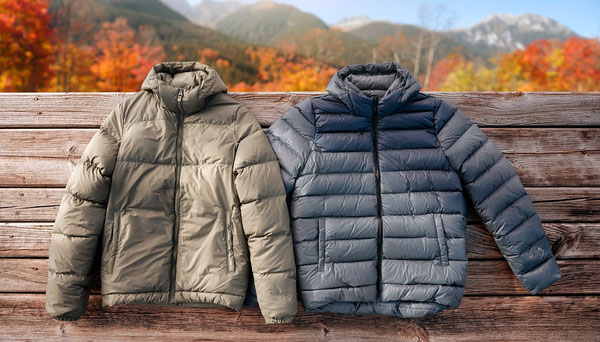
Down and synthetic insulated jackets on a wooden deck

Affiliate disclosure: Time to Get Outside may earn from qualifying Amazon purchases at no added cost to you. This is independently written research-based guidance, not a claim of hands-on product testing. The article photograph is illustrative.

Quick verdict: Down delivers excellent warmth for its packed size in reliably dry conditions; synthetic insulation is easier to manage when repeated dampness and wet-weather use are likely.

A good purchase starts with the trips you really take. Compare the practical benefits and limitations below before paying extra for features that might sit unused.

…

Down Jacket vs Synthetic Insulation for Hiking: Which Is Better? Read More »

Bear Canister vs Bear Bag: Food Storage for Backcountry Camping

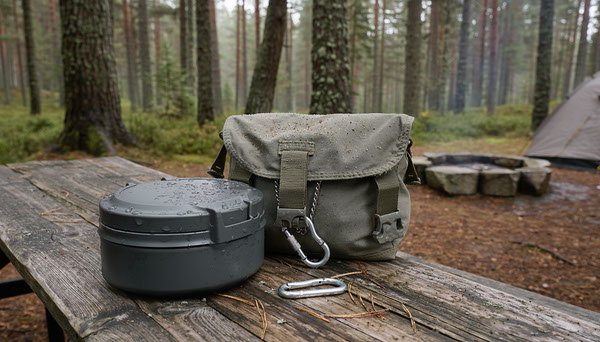
Bear-resistant canister and camping food storage bag

Affiliate disclosure: Time to Get Outside may earn from qualifying Amazon purchases at no added cost to you. This is independently written research-based guidance, not a claim of hands-on product testing. The article photograph is illustrative.

Quick verdict: Use the food storage method required by the park or land manager first. Certified hard-sided canisters are often required in specific regions; hanging or fabric bags are not universally acceptable substitutes.

A good purchase starts with the trips you really take. Compare the practical benefits and limitations below before paying extra for features that might sit unused.

…

Bear Canister vs Bear Bag: Food Storage for Backcountry Camping Read More »

High-Back Camping Chair vs Low Chair: Which Is More Comfortable?

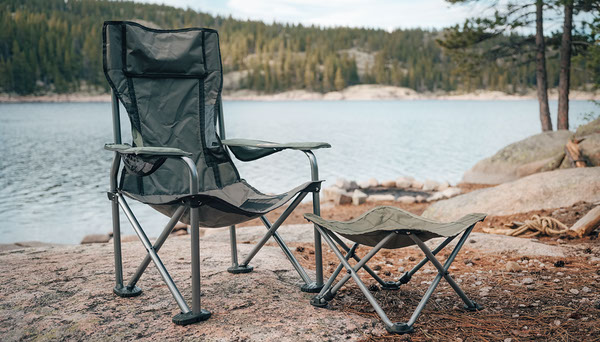
Two styles of camping chairs by a lake

Affiliate disclosure: Time to Get Outside may earn from qualifying Amazon purchases at no added cost to you. This is independently written research-based guidance, not a claim of hands-on product testing. The article photograph is illustrative.

Quick verdict: High-back chairs are usually more relaxing for long stays. Low chairs pack and sit closer to the ground, making them useful for beach settings or short events but harder for some people to stand from.

A good purchase starts with the trips you really take. Compare the practical benefits and limitations below before paying extra for features that might sit unused.

…

High-Back Camping Chair vs Low Chair: Which Is More Comfortable? Read More »

Folding Camp Saw vs Hatchet: What Is More Useful for Camping?

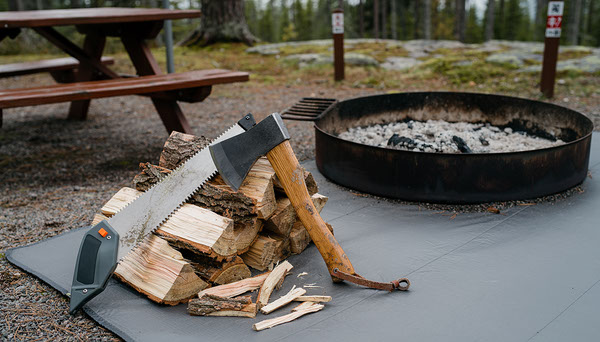
Folding saw and hatchet beside camping firewood

Affiliate disclosure: Time to Get Outside may earn from qualifying Amazon purchases at no added cost to you. This is independently written research-based guidance, not a claim of hands-on product testing. The article photograph is illustrative.

Quick verdict: A folding saw is usually the cleaner, more controlled tool for permitted small wood processing. A hatchet offers splitting and chopping versatility but demands more skill and safe working room.

A good purchase starts with the trips you really take. Compare the practical benefits and limitations below before paying extra for features that might sit unused.

…

Folding Camp Saw vs Hatchet: What Is More Useful for Camping? Read More »

8×32 vs 10×42 Binoculars for Birdwatching and Day Hikes

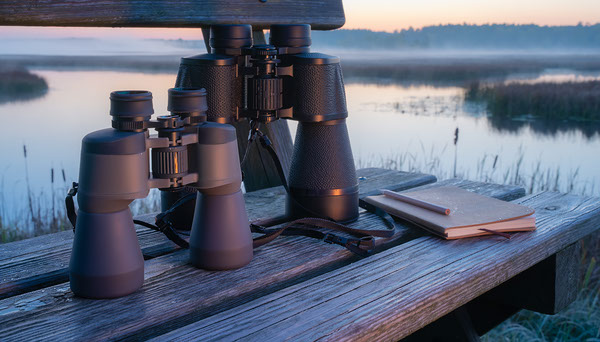
Compact and full-sized binoculars overlooking a marsh

Affiliate disclosure: Time to Get Outside may earn from qualifying Amazon purchases at no added cost to you. This is independently written research-based guidance, not a claim of hands-on product testing. The article photograph is illustrative.

Quick verdict: An 8×32 is the easy-to-carry choice for hikers and casual birders. A 10×42 offers more magnification and larger objectives but brings extra size and more noticeable hand shake.

A good purchase starts with the trips you really take. Compare the practical benefits and limitations below before paying extra for features that might sit unused.

…

8×32 vs 10×42 Binoculars for Birdwatching and Day Hikes Read More »

Baseplate Compass vs Handheld GPS for Hiking: Which Is Worth Buying?

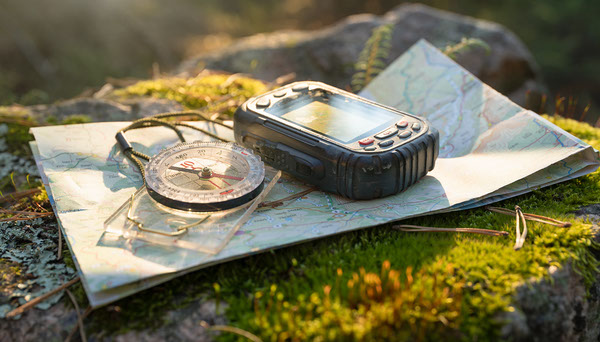
Baseplate compass and handheld GPS device on a topographic map

Affiliate disclosure: Time to Get Outside may earn from qualifying Amazon purchases at no added cost to you. This is independently written research-based guidance, not a claim of hands-on product testing. The article photograph is illustrative.

Quick verdict: A simple baseplate compass is inexpensive and does not need power; handheld GPS is more helpful for tracking position on complex trips when backed by proper route planning.

A good purchase starts with the trips you really take. Compare the practical benefits and limitations below before paying extra for features that might sit unused.

…

Baseplate Compass vs Handheld GPS for Hiking: Which Is Worth Buying? Read More »

Emergency Whistle vs Personal Alarm for Hiking: Which Should You Carry?

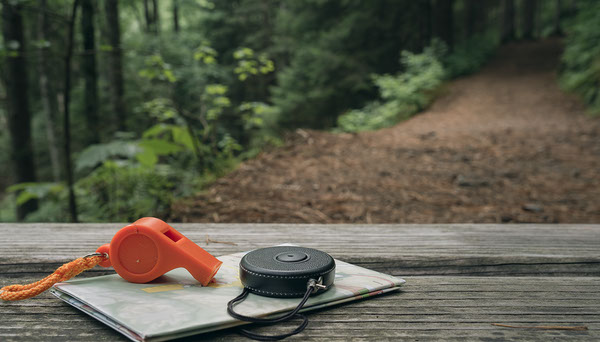
Emergency whistle and personal alarm at a forest trailhead

Affiliate disclosure: Time to Get Outside may earn from qualifying Amazon purchases at no added cost to you. This is independently written research-based guidance, not a claim of hands-on product testing. The article photograph is illustrative.

Quick verdict: A pealess whistle is the dependable low-cost essential for signaling outdoors; a battery alarm can be an additional attention-getter but should not replace it.

A good purchase starts with the trips you really take. Compare the practical benefits and limitations below before paying extra for features that might sit unused.

…

Emergency Whistle vs Personal Alarm for Hiking: Which Should You Carry? Read More »