
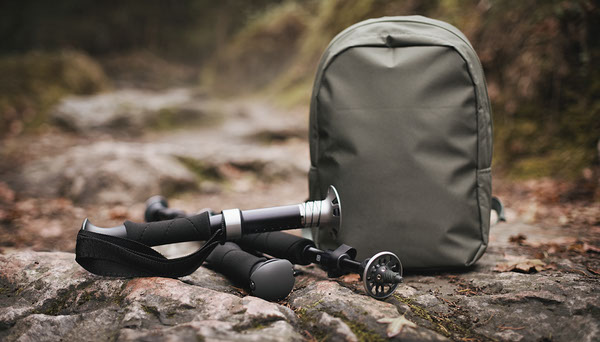
Quick verdict: Aluminum is the sensible starting point for occasional hikes and rough handling. Consider carbon when the actual weight saving matters over long days and the price still leaves room for comfortable grips and reliable locks.
Research-based buying guide; no hands-on testing is claimed. As an Amazon Associate, Time to Get Outside earns from qualifying purchases.
| Decision | How the options compare |
|---|---|
| Budget | Aluminum: Usually the lower-cost starting point Carbon: Often commands a premium |
| Handling | Aluminum: Can bend under overload; damage still needs inspection Carbon: Can crack or splinter under overload |
| Best reason to buy | Aluminum: Practical value for ordinary outings Carbon: A measured reduction in swing weight |
Compare complete pairs, not material labels
A light pole that feels awkward in your hand is a poor upgrade. Start with usable length, adjustment range and the grip you will hold for several hours. Then compare the weight of the complete pair, including baskets and tips. A shorter fixed-length carbon pole is not a fair weight comparison with a longer adjustable aluminum pair.
REI’s pole guidance describes aluminum as generally more affordable and carbon as a common weight-saving option. Neither label guarantees survival when a pole is trapped between rocks. Treat a bent shaft, visible crack or slipping lock as a problem to resolve before the next outing.
When carbon earns its premium
Consider the lighter option if you already use poles throughout long walks and can explain what bothers you about your current pair. Repeatedly swinging extra weight can make a small difference worth paying for. Folding packed length may matter more than shaft material when the poles spend most of the day attached to your pack.
For someone taking short local hikes a few times each month, the cheaper pair may supply everything useful. Spend the difference on a comfortable grip, a secure adjustment mechanism and a size that works on both climbs and descents. Do not replace a satisfactory aluminum pair solely because a more expensive material exists.
Check locks, length and replacement parts
Adjust the candidate to your walking length and check whether every section remains within its marked limits. Confirm that the locks can be operated with the gloves you actually wear. A pole should not need excessive tightening to stay at the selected length.
Look up replacement tips, baskets and individual sections before ordering. Those parts can decide whether a minor problem becomes a whole-pair replacement. Keep the original instructions for lock adjustment; different mechanisms need different treatment.
A practical buying rule for Canada
Compare the delivered Canadian price for two genuinely comparable pairs. A discounted aluminum model with local parts support may be better value than imported carbon poles with an awkward return process. Check whether the listing sells a pair or a single pole, since that changes the apparent saving dramatically.
Choose carbon for a verified weight or packing benefit you expect to use. Choose aluminum when the lower total cost and everyday practicality fit your outings. If neither option improves your current fit or solves a real inconvenience, keeping the poles you own is the strongest value.
Compare current U.S. and Canadian listings
These buttons open product searches, not guaranteed stock or fixed prices. Match the exact model, size, included accessories and seller before ordering. Canadian shoppers should compare the final cost in Canadian dollars, including any shipping or import charges.
Related buying guides
- Best Trekking Poles for Hiking and Uneven Trails
- Cork vs Foam Trekking Pole Grips
- Black Diamond Trail Back vs Distance Z: Adjustable or Folding Trekking Poles?
Sources and research notes
Specifications and guidance checked October 15, 2026. Recommendations are editorial judgments based on the cited details and use cases; they are not independent performance measurements.