
Affiliate disclosure: Time to Get Outside earns from qualifying purchases through eligible Amazon links. This is research-based decision guidance, not hands-on test data. Confirm model specifications, availability and pricing before purchasing.
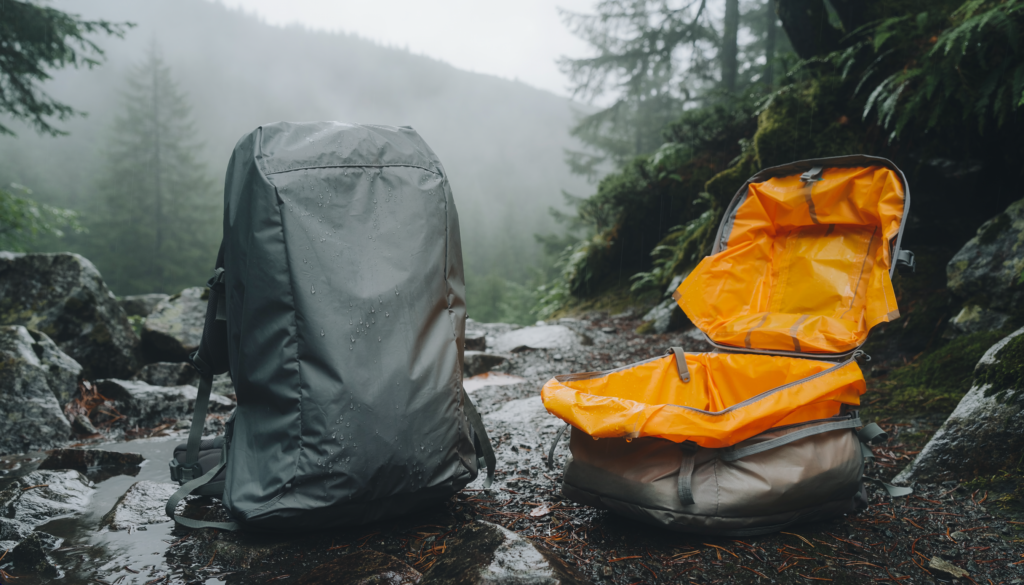
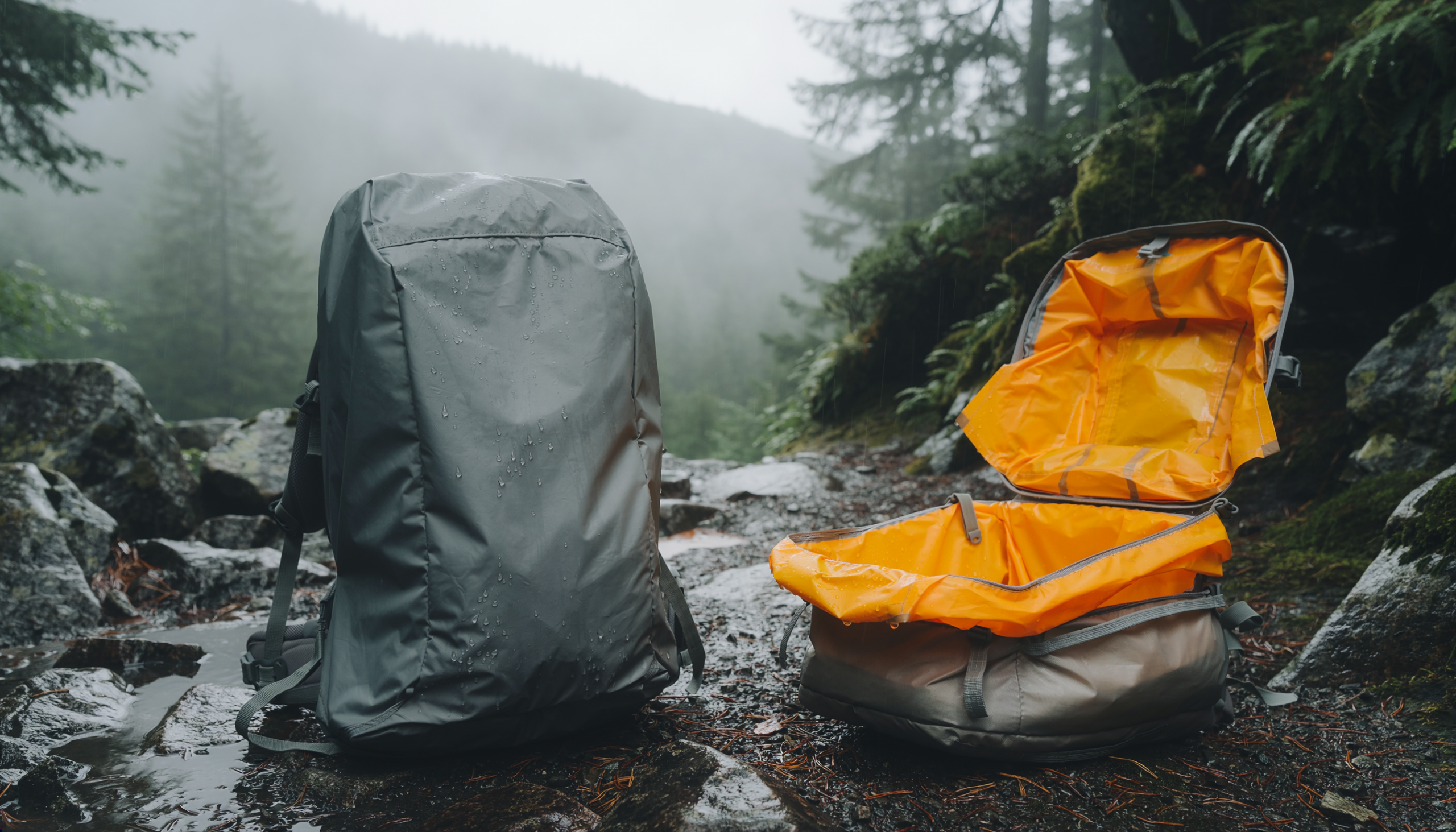
Quick verdict: For items that must stay dry, a properly closed liner inside the pack is generally the more dependable first defence. A rain cover helps keep the pack exterior cleaner and less saturated, but wind and shoulder straps leave entry points.
Outdoor equipment is easiest to choose when you start with your actual trip—not a marketing claim. Here’s how the two approaches differ, where each falls short, and when spending more is worthwhile.
At a glance: which is best?
| Choice | Main reason to choose it | First thing to check |
|---|---|---|
| Backpack rain cover | Best suited to its particular use | Fit and performance in your conditions |
| Waterproof pack liner | A different balance of convenience and flexibility | Practical limitations before purchase |
Backpack rain cover: who should buy it?
A stretch rain cover slips over the outside of your pack and is quick to put on in a shower. Look for the right litre range and a secure retention strap. It cannot seal the area against your back, and blowing rain can reach seams and pockets.
Buy it if: the first option’s strengths directly address a problem you have on most outings. Skip it if: those advantages would sit unused in a closet. Even well-reviewed gear is poor value if its special feature is unnecessary.
Waterproof pack liner: who should buy it?
A liner protects the contents of the main compartment even when the pack itself gets wet. A roll-top dry liner is especially useful for spare clothes and a sleep system, provided you close it correctly and do not puncture it.
Buy it if: your trips reward the second option’s strengths. Skip it if: its trade-offs would inconvenience you repeatedly. Compare exact variants rather than assuming every product in a category behaves identically.
Four things to check before buying
- Match liner volume to the gear that must stay dry.
- Store electronics in their own sealed pouch.
- Check whether exterior pockets need separate protection.
- Dry a soaked backpack fully at home.
Is an upgrade worth paying for?
Pay extra when the premium version fixes a recurring problem, makes your gear more reliable in expected conditions, or substantially reduces the effort of setting it up. Skip the upgrade when the lower-cost choice already handles your typical trips. Price is not proof of safety, durability or better fit.
Who should skip both?
If your current gear safely does the job, replacing it purely to chase a feature list rarely pays off. Borrow or try equipment when possible, check any site-specific outdoor restrictions, and spend first on the basics that you genuinely lack.
Related Time to Get Outside guides
- Packable daypacks for short hikes
- Navigation backups for day hikes
- Camping lanterns for tent and table
FAQ
Does the more expensive option always last longer?
No. Durability depends on materials, construction, maintenance and correct use. Read the manufacturer warranty and limitations for the exact model.
Should I prioritize light weight or comfort?
Start with the type of trip. A short car-camping outing may justify more comfort, while longer walks reward reliable gear you are willing to carry.
What is the biggest buying mistake?
Buying for an imagined scenario instead of the conditions you encounter routinely. Check compatibility and return policies before opening or modifying gear.
Final winner
Start with a pack liner for essential dry gear; add an external cover if you also want less water absorbed by the pack fabric.